Tranexamic acid is the trans isomer of p-aminomethyl cyclohexane carboxylic acid (Figure 1; C8H15NO2; molecular weight 157 [1,2]). It is a white or almost crystalline powder, freely soluble in water and glacial acetic acid, but practically insoluble in acetone or ethanol. The original report on the synthesis of tranexamic acid was published by Okamoto and Okamoto in 1962 [50].
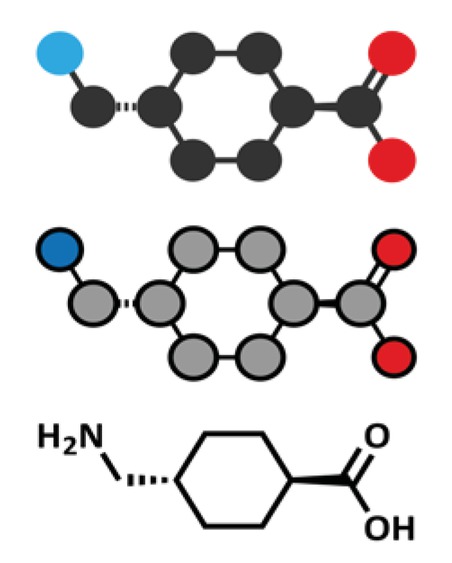
Figure 1

Atomic structure of tranexamic acid

© Shutterstock Inc.

graphic/j_jhp00085_fig_001.jpg

Pharmacokinetics

After oral administration of 10 or 100 mg/kg (the normal therapeutic dose is 15 – 25 mg/kg), peak serum concentrations of 2 mg/l and 40 mg/l respectively occur at approximately 3 – 4 hours [1]. Bioavailability is approximately 40%.

The distribution of tranexamic acid is described by a two-compartment pharmacokinetic model [1,3]. Plasma protein binding at therapeutic levels is about 3% and is due to binding to plasminogen; it does not bind to serum albumin. The volume of distribution is 9 – 12 litres [3,4]. Tranexamic acid diffuses rapidly into joint fluid and the synovial membrane, achieving concentrations similar to serum levels; the biological half-life in joint fluid is approximately 3 hours [1,4].

Tranexamic acid does not undergo metabolism and is excreted unchanged, predominantly in urine [4].

Tranexamic acid is excreted by glomerular filtration. Renal clearance in adults has been estimated at 80 ml/min/70kg3 (in patients undergoing cardiopulmonary bypass) and 110 - 116 m/min (not adjusted for body mass) [4]. In children with a mean age of 0.56, 5.5 and 36 months undergoing cardiopulmonary bypass, clearance was estimated at approximately 40, 84 and 170 ml/min [5].

The elimination half-life is about 3 hours in adults [4] and 1 – 2 hours in infants and children [5]. After a single intravenous dose of 10 mg/kg in adults, about 30% was recovered in the urine in the first hour, 55% up to 3 hours and 90% within 12 – 24 hours [1,4]. After oral administration of 10 – 15 mg/kg in adults, about 40% of the dose was recovered in the urine within 24 hours [1,4]. Plasma concentrations of tranexamic acid are increased in patients with renal insufficiency.

Mechanism of action and pharmacodynamic effects

Tranexamic acid inhibits fibrinolysis by competitively blocking the lysine binding sites of plasminogen, inhibiting binding between fibrin and plasminogen, and activation of plasminogen. It also competitively inhibits tissue plasminogen activator and inhibits plasmin-induced platelet activation [6,7]. In experimental models, tranexamic acid inhibits fibrinolysis over the concentration range 10 – 100 micromol/l and reduces bleeding time [8]. Adding tranexamic acid to recombinant FVIIa or FVIII increases clot stability to a much greater extent than the factors alone [9,10].

Formulations

There are many brands of tranexamic acid available globally. For example, it is marketed in the United States and Australia as Lysteda tablets, and as Cyklokapron and Transamin intravenous injection; in the UK as Cyklokapron (tablets and IV injection), Cyklo-F, Menstralite and Femstrual (all tablets); in Asia as Transcam (tablets); in Bangladesh as Traxyl (capsules, IV injection); in India as Pause (tablet); in South America as Espercil (capsule, IV injection); in Japan as Nicolda (tablets); in France and Romania as Exacyl (IV injection); and in Egypt as Kapron (tablets, IV injection). A capsule formulation is marketed in the Philippines as Hemostan and as Hexakapron in Israel [2]. Some brands are intended for prescription use only, others for over-the-counter or online sale. In Uganda, tranexamic acid is available as Transamin injection, Transamin 250 and 500mg tablets, Hemsamic 500mg tablets, Tranlok 500mg tablets and Tranlok injection [11]. There are also many generic formulations of oral and intravenous preparations; for example, MedIndia’s database lists 95 generic formulations manufactured by 65 companies [12].

Stability and storage

Information about correct storage for most formulations is not readily available. For the Cyklokapron brand, marketed by Pfizer in the UK, the Summary of Product Characteristics (SPC) for the injection states that its shelf life is 3 years; it does not recommend a temperature range for storage, but adds that it should not be frozen [13]. In the US, where Cyklokapron is marketed jointly by Pfizer and Pharmacia & Upjohn, the product labelling states that the injection should be stored at 25°C, but excursions are permitted within the range 15 – 30°C [14]. A US study has shown that tranexamic acid injection is stable for 12 weeks at temperatures of -20°C, 4°C, 22°C and 50°C, although the ampoules broke when the solution froze [15].

The ampoules are for single use. The chemicophysical stability of the solution is at least 24 hours at 25°C, but the solution contains no preservative and sterility cannot be assured after opening [13]. Cyklokapron injection can be mixed with most solutions for infusion (e.g. electrolyte, carbohydrate, amino acid and dextran solutions); heparin may be added to Cyklokapron injection [13]. If the injection is mixed with other products for intravenous administration, tranexamic acid is stable for up to 4 hours at room temperature [16]. Cyklokapron injection should not be mixed with blood or solutions containing a penicillin [13,16].

The UK SPC for Cyclokapron tablets states that the shelf life is 5 years; the tablets should be stored below 25°C [17]. In the US, Ferring Pharmaceuticals advise that Lysteda tablets should be stored at 15 – 30°C [16]. The same recommended temperature range is cited by MedIndia for the storing of both tablet and injection formulations [18], suggesting they are applicable globally. Differences in these recommended temperature ranges may reflect local custom and practice rather than evidence of stability.

No special disposal requirements have been found.

Although many online sites sell tranexamic acid, no reports of counterfeits of products intended for therapeutic use have been found (at least in the English language).

Tranexamic acid appears to be an ingredient in skin-whitening products and online postings suggest a degree of concern about fake formulations. However, it is unclear whether this is an important issue and online comments cannot be independently verified.

Indications and doses

The indications and doses licensed in the UK [13,17] have been used for the purpose of this review, on the basis that the data are reliable and the disposition of tranexamic acid is not affected by ethnicity.

Licensed indications in the UK

Cyklokapron tablets are licensed for short-term use for haemorrhage or risk of haemorrhage in increased fibrinolysis or fibrinogenolysis, and local fibrinolysis as it occurs in prostatectomy and bladder surgery, menorrhagia, epistaxis, conisation of the cervix, traumatic hyphaema and hereditary angioneurotic oedema. Of specific relevance to this paper, the tablets are also licensed for the ‘management of dental extraction in haemophiliacs’ [17].

Cyklokapron injection is not specifically licensed for an indication in people with haemophilia, but nor are they excluded. The licensed indications are: haemorrhage caused by general or local fibrinolysis (such as menorrhagia and metrorrhagia), gastrointestinal bleeding, haemorrhagic urinary disorders further to prostate surgery or surgical procedures affecting the urinary tract, surgery (specifically adenoidectomy, tonsillectomy, dental extractions; gynaecological or disorders of obstetric origin; thoracic, abdominal and other major surgical intervention such as cardiovascular surgery), and the management of haemorrhage due to the administration of a fibrinolytic agent [13].

Dosage

The recommended oral dose for the management of dental extraction in people with haemophilia is 2 – 3 500mg tablets every 8 hours (based on a dose of 25mg/kg/day).

The recommended intravenous dose as the standard treatment of local fibrinolysis is 0.5 – 1.0g by slow IV injection (at the rate of 1ml/minute) 2 – 3 times daily. For general fibrinolysis, the recommended dose is 1.0g by slow IV injection every 6 – 8 hours, which is equivalent to 15 mg/kg.

Contraindications and prescribing cautions

All contraindications and prescribing cautions listed in UK SPCs for Cyklokapron tablets and injections are shown in Tables 1 and 2; it should be noted that some are not relevant to people with haemophilia.

Table 1

Contraindications and precautions listed in UK SPCs for Cyklokapron tablets [17]

Contraindications Precautions
Hypersensitivity to tranexamic acid or any of the other ingredients In case of haematuria of renal origin (especially in haemophilia), there is a risk of mechanical anuria due to formation of a ureteral clot.
Severe renal impairment (risk of accumulation) In the long-term treatment of patients with hereditary angioneurotic oedema, regular eye examinations (e.g. visual acuity, slit lamp, intraocular pressure, visual fields) and liver function tests should be performed.
Active thromboembolic disease History of venous or arterial thrombosis Patients with irregular menstrual bleeding should not use Cyklokapron until the cause of irregular bleeding has been established. If menstrual bleeding is not adequately reduced by Cyklokapron, an alternative treatment should be considered. Clinical experience with Cyklokapron in menorrhagic children under 15 years of age is not available.
Fibrinolytic conditions following consumption coagulopathy History of convulsions Tranexamic acid should be administered with care in patients receiving oral contraceptives because of the increased risk of thrombosis.
Patients with a previous thromboembolic event and a family history of thromboembolic disease (patients with thrombophilia) should use Cyklokapron only if there is a strong medical indication and under strict medical supervision.
Blood levels are increased in patients with renal insufficiency; a dose reduction is therefore recommended.
The use of tranexamic acid in cases of increased fibrinolysis due to disseminated intravascular coagulation is not recommended.
Patients who experience visual disturbance should be withdrawn from treatment.
Table 2

Contraindications and precautions listed in UK SPCs for Cyklokapron injections [13]

Contraindications Precautions
Hypersensitivity to the active substance or to any of the excipients (note: the only component other than tranexamic acid is water for injection) Intravenous injections should be given very slowly. Tranexamic acid should not be administered by the intramuscular route.
Acute venous or arterial thrombosis Fibrinolytic conditions following consumption coagulopathy except in those with predominant activation of the fibrinolytic system with acute severe bleeding Convulsions Cases of convulsions have been reported in association with tranexamic acid treatment. In coronary artery bypass graft (CABG) surgery, most of these cases were reported following intravenous injection of tranexamic acid in high doses. With the use of the recommended lower doses of tranexamic acid, the incidence of postoperative seizures was the same as that in untreated patients. Visual disturbances
Severe renal impairment (risk of accumulation) History of convulsions Intrathecal and intraventricular injection, intracerebral application (risk of cerebral oedema and convulsions) Attention should be paid to possible visual disturbances, including visual impairment, blurred vision and impaired colour vision. If necessary, the treatment should be discontinued. With continuous long-term use of tranexamic acid solution for injection, regular ophthalmologic examinations (eye examinations, including visual acuity, colour vision, fundus, visual field, etc.) are indicated. With pathological ophthalmic changes, particularly with diseases of the retina, the physician must decide after consulting a specialist on the necessity of long-term use of tranexamic acid solution for injection in each individual case.
US labelling contraindicates tranexamic acid in patients with subarachnoid haemorrhage –anecdotal experience suggests it may cause cerebral oedema and cerebral infarction14 Haematuria In case of haematuria from the upper urinary tract, there is a risk of ureteric obstruction. Thromboembolic events Risk factors of thromboembolic disease should be considered before the use of tranexamic acid. In patients with a history of thromboembolic disease or in those with increased incidence of thromboembolic events in their family history (patients with a high risk of thrombophilia), tranexamic acid solution for injection should only be administered if there is a strong medical indication after consultation with a physician experienced in haemostaseology and under strict medical supervision.
Tranexamic acid should be administered with care in patients receiving oral contraceptives due to the increased risk of thrombosis.
Disseminated intravascular coagulation Patients with disseminated intravascular coagulation (DIC) should not, in most cases, be treated with tranexamic acid. If tranexamic acid is given, it should be restricted to those in whom there is predominant activation of the fibrinolytic system with acute severe bleeding. Characteristically, the haematological profile approximates to the following:
Reduced euglobulin clot lysis time prolonged prothrombin time reduced plasma levels of fibrinogen, factors V and VIII, plasminogen fibrinolysin and alpha-2 macroglobulin normal plasma levels of P and P complex, i.e. factors II (prothrombin), VIII and X increased plasma levels of fibrinogen degradation products a normal platelet count
The foregoing presumes that the underlying disease state does not, of itself, modify the various elements in this profile. In such acute cases, a single dose of 1g tranexamic acid is frequently sufficient to control bleeding. Administration of tranexamic acid in DIC should be considered only when appropriate haematological laboratory facilities and expertise are available.

Age

No dose adjustment is recommended for older people, except according to renal function.

Therapeutic experience is limited in children. The recommended oral dose is 25mg/kg per dose. The recommended intravenous dose is 20mg/kg/day.

Renal impairment

The use of tranexamic acid is contraindicated in patients with severe renal impairment. The oral dose should be reduced to 15mg/kg twice daily in patients with mild renal impairment (serum creatinine 120 – 249micromol/l) and to 15mg/kg once a day in moderate renal impairment (serum creatinine 250 – 500micromol/l). For patients with mild to moderate renal impairment, the intravenous dose is adjusted according to the serum creatinine level, as shown in Table 3.

Table 3

Dose adjustments needed for IV tranexamic acid

Serum creatinine (micromol/l) Dose (mg/kg) Frequency
120 to 249 10 12-hourly
250 to 500 10 24-hourly
> 500 5 24-hourly

Hepatic impairment

No dose adjustment is recommended for people with hepatic impairment. This is explicitly stated only for the injection in UK guidance, but should also apply to the oral formulation.

Pregnancy and breastfeeding

There is no evidence from animal studies that tranexamic acid is teratogenic. However, it crosses the placenta and is present in cord blood at concentrations equal to blood levels [16]. There is a lack of evidence showing that it is safe to take during the first trimester. There is no evidence that its use in women during the second and third trimesters is associated with adverse outcomes.

In the US, tranexamic acid is classed as Pregnancy (Category B), i.e. ‘Animal reproduction studies have failed to demonstrate a risk to the foetus and there are no adequate and well-controlled studies in pregnant women’ [19].

In the UK, Pfizer recommends that women of childbearing potential must use effective contraception during treatment with the injection, and that its use is not recommended during the first trimester. For the tablets, it recommends only that ‘usual caution… should be observed’.

There is no evidence that tranexamic acid affects fertility.

Tranexamic is excreted in breast milk at a concentration of 1% of the concurrent blood level after oral administration. An antifibrinolytic effect is unlikely. Pfizer in the UK recommends avoiding breastfeeding during treatment with the injection. In the US, Pfizer and Pharmacia & Upjohn advise caution [16]. A case-control study of outcomes in 21 women taking tranexamic acid while breastfeeding reported no acute adverse effects on the infant and no developmental effects [20].

Drug interactions

Other than interfering with the effects of fibrinolytic drugs, tranexamic acid has no clinically significant drug interactions.

Sources of evidence of efficacy

The medical and surgical risks associated with haemophilia are summarised in the 2012 update of the World Federation of Hemophilia (WHF) guideline [21]. A large number of clinical trials evaluating the efficacy of tranexamic acid have been published, but few prospective randomised comparative trials have involved people with haemophilia, in whom the balance of risk and benefit is fundamentally different from that in people with no bleeding disorder. This section summarises recent relevant evidence by indication, beginning with a precis of the WHF recommendations for the use of tranexamic acid.

WHF guideline [21]

The WHF recommendations for use of tranexamic acid are summarised in Appendix 1. Where WHF makes statements about clinical practice, it specifies the level of supporting evidence in which treatment benefits and harms are rated on a scale from 1 (best) to 5 (worst). Most of the evidence supporting the recommended indications for tranexamic acid is level 4 or 5. Full details are available at www.cebm.net/ocebm-levels-of-evidence

Dental or oral surgery (meta-analysis)

A Cochrane systematic review identified only one randomised controlled trial of tranexamic acid to prevent bleeding in people with haemophilia undergoing oral or dental surgery among 313 publications retrieved in a comprehensive literature search carried out in September and December 2015 [9,23]. The findings of this trial, which was reported in 1972 and was based on data collected in the 1960s, are summarised in Appendix 2. There were no eligible publications involving people with von Willebrand disease.

The appraisal of the trial concluded it was of moderate quality, largely due to its small size and incomplete documentation of randomisation and blinding. This trial suggested that, compared with placebo, 1.5 patients would need to be treated with tranexamic acid to prevent one case of postoperative bleeding.

Publications that do not meet the eligibility criteria for the Cochrane review include two small randomised controlled trials, [24,25], four retrospective studies [26, 27, 28, 29], one case-control study [30], and two case series [31,32]. These studies evaluated the effectiveness of a mouthwash to prevent bleeding from tooth descaling [24,25], compression with tranexamic acid [28], prophylaxis with tranexamic acid [26,27,30], perioperative use [31,32], or an unspecified regimen [29]. In several studies, tranexamic was not the only haemostatic agent used.

Surgery

A Cochrane systematic review (search date November 2014) identified no comparative randomised trials of sufficient quality for the use of tranexamic acid for bleeding prevention during surgery in people with haemophilia or other congenital bleeding disorders (other than that cited in the review of dental procedures above) [33].

Two papers were published after the literature search for the systematic review was carried out. One reviewed evidence for combining tranexamic acid and anti-inhibitor coagulant complex (AICC) in patients with inhibitors [34]. This combination is potentially synergistic and may increase clot stability, but it may also be associated with an increased risk of thrombotic events and disseminated intravascular coagulation. The authors found no reports of thrombotic events and concluded: ‘concomitant therapy with AICC and tranexamic acid can be considered when haemophilia patients with inhibitors undergo dental or surgical procedures to reduce blood loss and avoid life threatening bleeding. Furthermore, concomitant use of AICC and tranexamic acid should be considered for patients with bleeding who have failed monotherapy with either AICC or rFVIIa.’

However, evidence was based on low numbers of patients for some indications, and there is a need for further randomised controlled trials to provide stronger evidence.

An older, non-comparative study described treatment with the combination of tranexamic acid and APCC in a total of eight patients with congenital haemophilia with inhibitors or acquired haemophilia [35]. The haemostatic outcome was rated excellent or good in 10 of 11 treatments and poor in one. There were no episodes of arterial, venous thrombosis or disseminated intravascular coagulation, nor any laboratory signs of hypercoagulability.

The second recent paper analysed 56 surgical procedures in 40 patients with congenital or acquired haemophilia, who were treated primarily with recombinant activated factor VII [36]. Tranexamic acid was also administered in 64% of procedures, but the indications for its use are not reported and outcomes in this group of patients are not analysed separately.

Other publications do not substantially improve the evidence base. A structured review of cardiac surgery in people with bleeding disorders including haemophilia, who were treated with factor replacement therapy and antifibrinolytics including tranexamic acid, found a lack of good quality evidence and possible publication bias due to under-reporting of adverse outcomes [37]. A report on the use of tranexamic acid in orthopaedic procedures for people with rare bleeding disorders in general, and von Willebrand disease in particular, included several cases involving tranexamic acid [38.39]. A treatment protocol developed for four patients with severe FXI deficiency and inhibitors included prophylaxis with tranexamic acid and recombinant FVIIa [40]. The use of topical tranexamic acid to control perioperative bleeding was described in two women undergoing gynaecological surgery, one of whom had severe FIX deficiency (the other had thrombocytopenia) [41]. A retrospective review described the use of oral tranexamic acid with fibrin glue as part of a protocol to prevent bleeding complications associated with circumcision in boys with haemophilia [42]. In 28 people with mild to moderate inherited bleeding disorders undergoing endoscopy and receiving prophylaxis with tranexamic acid but no factor replacement therapy, there were three cases of bleeding [43].

Menorrhagia

No meta-analysis of studies of tranexamic acid in the management of menorrhagia in women with inherited bleeding disorders was found.

A recent survey of US haemophilia centres found that 62% of 1,321 women with von Willebrand disease attending
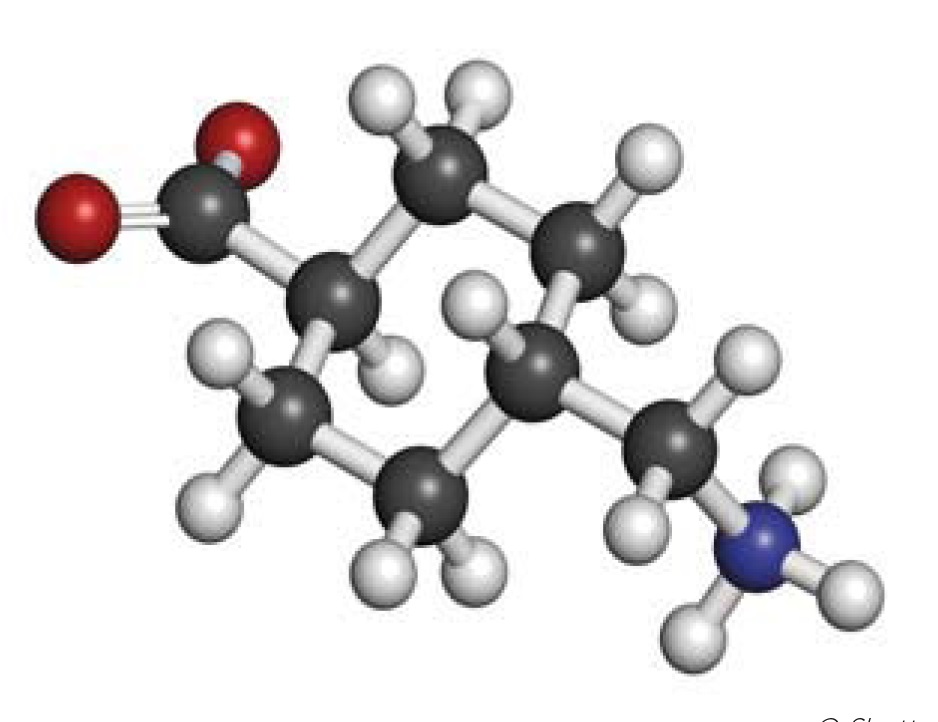
© Shutterstock Inc.

graphic/j_jhp00085_fig_002.jpg

clinics between 2011 and 2014 had menorrhagia; the most common first-line treatments were combined oral contraceptives, tranexamic acid and desmopressin [44]. A retrospective review of the management of 42 girls with bleeding disorders who had menorrhagia reported that treatment with tranexamic acid, desmopressin, combined oral contraceptive pills, clotting factor concentrate and the levonorgestrel intrauterine system, alone or in combination, reduced menstrual blood flow and improved quality of life scores [45]. A review of the management of menorrhagia in women with inherited bleeding disorders places tranexamic acid among first-line therapies, along with combined oral contraceptives and the levonorgestrel intrauterine system; desmopressin is recommended when these options are inappropriate [46]. A randomised trial of tranexamic acid versus desmopressin included 116 women with menorrhagia and abnormal clotting times, of whom 14 had von Willebrand disease and 22 had ‘subnormal coagulation factor level’. Overall, tranexamic acid reduced blood flow more effectively and both treatments improved quality of life scores, but separate analysis by clotting disorder was not reported [47].

Adverse effects

The adverse effects of tranexamic acid are not well documented in people with haemophilia or other inherited bleeding disorders.

In 2012, the European Medicines Agency reviewed the efficacy and safety of tranexamic acid as part of a review of fibrinolytic drugs, and its findings are largely reflected in European and US labelling [48]. However, it concluded:

‘In view of the identified serious limitations of the efficacy data for treatment of haemophilia including the new data and the adverse reactions profile (some of which are serious) associated with the use of TXA [tranexamic acid], the CHMP Committee [Committee for Medicinal Products for Human Use] considers that the benefit risk balance of TXA in this indication is not positive under normal conditions when specific reference is made to haemophilia.’

By contrast, the WHF guideline, also published in 2012, believes the balance of risk and benefit is favourable for specific indications (see Appendix 1) [21].

The adverse effects listed by the current UK SPCs for Cyklokapron tablets and injection in the UK are shown in Table 4. This is broadly consistent with the US product labelling, which adds that convulsions are particularly associated with cardiovascular surgery and with inadvertent administration into the neuraxial system [14]. Estimates of the incidence of seizures associated with tranexamic acid in patients undergoing cardiac surgery range from 0 – 3% at standard doses and up to 7% at high doses [49]. Tranexamic acid may increase the excitability of neural networks, an effect that correlates with persistently high postoperative concentrations in cerebrospinal fluid. This raises the possibility of a risk of seizures in people with haemophilia.

Table 4

Adverse effects listed by the current UK SPCs for Cyklokapron tablets (17) and injection [17]

Tablets [17] Injection [13]
Immune system disorders Very rare: Hypersensitivity reactions, including anaphylaxis Frequency not known: Hypersensitivity reactions, including anaphylaxis
Eye disorders Rare: Colour vision disturbances, retinal/artery occlusion Frequency not known: Visual disturbances, including impaired colour vision
Vascular disorders Rare: Thromboembolic events Very rare: Arterial or venous thrombosis at any sites Frequency not known: Malaise with hypotension, with or without loss of consciousness (generally following a too fast intravenous injection, exceptionally after oral administration). Arterial or venous thrombosis at any sites.
Gastro-intestinal disorders Very rare: Digestive effects, such as nausea, vomiting and diarrhoea, may occur but disappear when the dosage is reduced. Common: Diarrhoea, vomiting, nausea
Skin and subcutaneous tissue disorders Rare: Allergic skin reactions Uncommon: Dermatitis allergic
Nervous system disorders - Frequency not known: Convulsions, particularly in case of misuse

Tranexamic acid may also be associated with impairment of mental and/or physical abilities [14]. Although European and US product labelling includes warnings about thromboembolic events [13,14,17], there is no information about how this risk applies to people with bleeding disorders.

Conclusion

In summary, tranexamic acid may be associated with a relatively narrow range of adverse effects, some of which are potentially serious. Their frequency in patients overall and in people with haemophilia is not clear. This uncertainty led the European Medicines Agency to conclude that the balance of risk and benefit is not positive in people with haemophilia, but this is not consistent with the recommendations of the WHF.

Notes

[1] Financial disclosure Disclosures

The author has advised no interests that might be perceived as posing a conflict or bias.

This is an Open Access article distributed under the terms of the Creative Commons Attribution License (http://creativecommons.org/licenses/by/2.0) which permits unrestricted use, distribution, and reproduction in any medium, provided the original work is properly cited.

References

1 

Nilsson IM. Clinical pharmacology of aminocaproic and tranexamic acids. J Clin Pathol Suppl (R Coll Pathol) 1980;14:41-7.

IM NilssonClinical pharmacology of aminocaproic and tranexamic acidsJ Clin Pathol Suppl (R Coll Pathol)198014417

2 

Wikipedia. Tranexamic acid. Available from: https://en.wikipedia.org/wiki/Tranexamic_acid (accessed 18 March 2016).

Wikipedia. Tranexamic acidAvailable fromhttps://en.wikipedia.org/wiki/Tranexamic_acidaccessed 18 March2016

3 

Grassin-Delyle S, Tremey B, Abe E, et al. Population pharmacokinetics of tranexamic acid in adults undergoing cardiac surgery with cardiopulmonary bypass. Br J Anaesth 2013;111:916-24.

S Grassin-DelyleB TremeyE Abeet alPopulation pharmacokinetics of tranexamic acid in adults undergoing cardiac surgery with cardiopulmonary bypassBr J Anaesth201311191624

4 

Pfizer Ltd. Cyclokapron injection. 5.1 Pharmacodynamic properties. March 2016. Available from: www.medicines.org.uk/emc/medicine/1489#PHARMACODYNAMIC_PROPS (accessed 18 March 2016).

Pfizer Ltd. Cyclokapron injection. 5.1 Pharmacodynamic properties2016Available fromwww.medicines.org.uk/emc/medicine/1489#PHARMACODYNAMIC_PROPSaccessed 18 March 2016

5 

Wesley MC, Pereira LM, Scharp LA, et al. Pharmacokinetics of tranexamic acid in neonates, infants, and children undergoing cardiac surgery with cardiopulmonary bypass. Anesthesiology 2015;122:746-58.

MC WesleyLM PereiraLA Scharpet alPharmacokinetics of tranexamic acid in neonates, infants, and children undergoing cardiac surgery with cardiopulmonary bypassAnesthesiology201512274658

6 

Hunt BJ. The current place of tranexamic acid in the management of bleeding. Anaesthesia 2015;70 Suppl 1:50-3, e18.

BJ HuntThe current place of tranexamic acid in the management of bleedingAnaesthesia201570 Suppl1503

7 

Ng W, Jerath A, Wąsowicz M. Tranexamic acid: a clinical review. Anaesthesiol Intensive Ther 2015;47:339-50.

W NgA JerathM WąsowiczTranexamic acid: a clinical reviewAnaesthesiol Intensive Ther20154733950

8 

Sperzel M, Huetter J. Evaluation of aprotinin and tranexamic acid in different in vitro and in vivo models of fibrinolysis, coagulation and thrombus formation. J Thromb Haemost 2007;5:2113-8.

M SperzelJ HuetterEvaluation of aprotinin and tranexamic acid in different in vitro and in vivo models of fibrinolysis, coagulation and thrombus formationJ Thromb Haemost2007521138

9 

Rea CJ, Foley JH, Bevan DH, et al. An in-vitro assessment of tranexamic acid as an adjunct to rFVIII or rFVIIa treatment in haemophilia A. Ann Hematol 2014;93:683-92.

CJ ReaJH FoleyDH Bevanet alAn in-vitro assessment of tranexamic acid as an adjunct to rFVIII or rFVIIa treatment in haemophilia AAnn Hematol20149368392

10 

Tran HT, Sørensen B, Rea CJ, et al. Tranexamic acid as adjunct therapy to bypassing agents in haemophilia A patients with inhibitors. Haemophilia 2014;20:369-75.

HT TranB SørensenCJ Reaet alTranexamic acid as adjunct therapy to bypassing agents in haemophilia A patients with inhibitorsHaemophilia20142036975

11 

PharmLine Uganda. Tranexamic acid. Available from: http://www.pharmlineug.com/search.php?drug=Tranexamic%20Acid (accessed 22 March 2016).

PharmLine Uganda. Tranexamic acidAvailable fromhttp://www.pharmlineug.com/search.php?drug=Tranexamic%20Acidaccessed 22 March2016

12 

MedIndia. Drug “tranexamic acid” price list. Available from: http://www.medindia.net/drug-price/tranexamic-acid.htm (accessed 22 March 2016).

MedIndia. Drug “tranexamic acid” price listAvailable fromhttp://www.medindia.net/drug-price/tranexamic-acid.htmaccessed 22 March2016

13 

Pfizer Ltd. Cyclokapron injection. 6. Pharmaceutical particulars. March 2016. Available from: www.medicines.org.uk/emc/medicine/1489#PHARMACEUTICAL_PARTS (accessed 22 March 2016).

Pfizer Ltd. Cyclokapron injection. 6. Pharmaceutical particulars2016Available fromwww.medicines.org.uk/emc/medicine/1489#PHARMACEUTICAL_PARTSaccessed 22 March 2016

14 

Pfizer, Pharmacia & Upjohn. Cyclokapron label. December 2014. Available from: www.accessdata.fda.gov/drugsatfda_docs/label/2014/019281s033lbl.pdf (accessed 22 March 2016).

Pfizer, Pharmacia & Upjohn. Cyclokapron label2014Available fromwww.accessdata.fda.gov/drugsatfda_docs/label/2014/019281s033lbl.pdfaccessed 22 March 2016

15 

de Guzman R, Polykratis IA, Sondeen JL, et al. Stability of tranexamic acid after 12-week storage at temperatures from -20°c to 50°c. Prehosp Emerg Care 2013;17:394-400.

R de GuzmanIA PolykratisJL Sondeenet alStability of tranexamic acid after 12-week storage at temperatures from -20°c to 50°cPrehosp Emerg Care201317394400

16 

Ferring Pharmaceuticals. Lysteda prescribing information. October 2013. Available from: www.lysteda.com/assets/pi_ferring2013-1f2d77bcb42b5738c55afab5280d7e9c.pdf (accessed 22 March 2016).

Ferring Pharmaceuticals. Lysteda prescribing information2013Available fromwww.lysteda.com/assets/pi_ferring2013-1f2d77bcb42b5738c55afab5280d7e9c.pdfaccessed 22 March 2016

17 

Pfizer Ltd. Cyclokapron tablets. February 2014. Available from: www.medicines.org.uk/emc/medicine/16512 (accessed 22 March 2016).

Pfizer Ltd. Cyclokapron tablets2014Available fromwww.medicines.org.uk/emc/medicine/16512accessed 22 March 2016

18 

MedIndia. Tranexamic acid – drug information. Available from: www.medindia.net/doctors/drug_information/tranexamic_acid.htm (accessed 22 March 2016).

MedIndia. Tranexamic acid – drug informationAvailable fromwww.medindia.net/doctors/drug_information/tranexamic_acid.htmaccessed 22 March2016

19 

Thall Bastow BD. Teratology and drug use during pregnancy. Medscape. 2016. Available from: http://emedicine.medscape.com/article/260725-overview#a5 (accessed 21 April 2016).

BD Thall BastowTeratology and drug use during pregnancy. Medscape201Available fromhttp://emedicine.medscape.com/article/260725-overview#a5accessed 21 April 2016

20 

Gilad O, Merlob P, Stahl B, et al. Outcome following tranexamic acid exposure during breastfeeding. Breastfeed Med 2014;9:407-10.

O GiladP MerlobB Stahlet alOutcome following tranexamic acid exposure during breastfeedingBreastfeed Med2014940710

21 

World Federation of Hemophilia. Guidelines for the management of hemophilia. 2nd ed. 2012. Available from: www1.wfh.org/publications/files/pdf-1472.pdf (accessed 23 March 2016).

World Federation of Hemophilia. Guidelines for the management of hemophilia. 2nd ed2012Available fromwww1.wfh.org/publications/files/pdf-1472.pdfaccessed 23 March 2016

22 

van Galen KPM, Engelen ET, Mauser-Bunschoten EP, et al. Antifibrinolytic therapy for preventing oral bleeding in patients with haemophilia or Von Willebrand disease undergoing minor oral surgery or dental extractions. Cochrane Database of Systematic Reviews 2015, issue 12, art. no.: CD011385. doi: 10.1002/14651858.CD011385.pub2. Available from: http://onlinelibrary.wiley.com/doi/10.1002/14651858.CD011385.pub2/full (accessed 21 April 2016).

KPM van GalenET EngelenEP Mauser-Bunschotenet alAntifibrinolytic therapy for preventing oral bleeding in patients with haemophilia or Von Willebrand disease undergoing minor oral surgery or dental extractionsCochrane Database of Systematic Reviews2015issue 12art. no.: CD01138510.1002/14651858.CD011385.pub2Available fromhttp://onlinelibrary.wiley.com/doi/10.1002/14651858.CD011385.pub2/fullaccessed 21 April 2016

23 

Forbes CD, Barr RD, Reid G, et al. Tranexamic acid in control of haemorrhage after dental extraction in haemophilia and Christmas disease. Br Med J 1972;2:311-3.

CD ForbesRD BarrG Reidet alTranexamic acid in control of haemorrhage after dental extraction in haemophilia and Christmas diseaseBr Med J197223113

24 

Lee AP, Boyle CA, Savidge GF, et al. Effectiveness in controlling haemorrhage after dental scaling in people with haemophilia by using tranexamic acid mouthwash. Br Dent J 2005;198:33-8.

AP LeeCA BoyleGF Savidgeet alEffectiveness in controlling haemorrhage after dental scaling in people with haemophilia by using tranexamic acid mouthwashBr Dent J2005198338

25 

Nuvvula S, Gaddam KR, Kamatham R. Efficacy of tranexamic acid mouthwash as an alternative for factor replacement in gingival bleeding during dental scaling in cases of hemophilia: a randomized clinical trial. Contemp Clin Dent 2014;5:49-53.

S NuvvulaKR GaddamR KamathamEfficacy of tranexamic acid mouthwash as an alternative for factor replacement in gingival bleeding during dental scaling in cases of hemophilia: a randomized clinical trialContemp Clin Dent201454953

26 

Federici AB, Sacco R, Stabile F, et al. Optimising local therapy during oral surgery in patients with von Willebrand disease: effective results from a retrospective analysis of 63 cases. Haemophilia 2000;6:71-7.

AB FedericiR SaccoF Stabileet alOptimising local therapy during oral surgery in patients with von Willebrand disease: effective results from a retrospective analysis of 63 casesHaemophilia20006717

27 

Franchini M, Rossetti G, Tagliaferri A, et al. Dental procedures in adult patients with hereditary bleeding disorders: 10 years’ experience in three Italian hemophilia centers. Haemophilia 2005;11:504-9.

M FranchiniG RossettiA Tagliaferriet alDental procedures in adult patients with hereditary bleeding disorders: 10 years’ experience in three Italian hemophilia centersHaemophilia2005115049

28 

Frachon X, Pommereuil M, Berthier AM, et al. Management options for dental extraction in hemophiliacs: a study of 55 extractions (2000-2002). Oral Surg Oral Med Oral Pathol Oral Radiol Endod 2005;99:270-5.

X FrachonM PommereuilAM Berthieret alManagement options for dental extraction in hemophiliacs: a study of 55 extractions (2000-2002)Oral Surg Oral Med Oral Pathol Oral Radiol Endod2005992705

29 

Givol N, Hirschhorn A, Lubetsky A, et al. Oral surgery-associated postoperative bleeding in haemophilia patients - a tertiary centre’s two decade experience. Haemophilia 2015;21:234-40.

N GivolA HirschhornA Lubetskyet alOral surgery-associated postoperative bleeding in haemophilia patients - a tertiary centre’s two decade experienceHaemophilia20152123440

30 

Zanon E, Martinelli F, Bacci C, et al. Proposal of a standard approach to dental extraction in haemophilia patients. A case-control study with good results. Haemophilia 2000;6:533-6.

E ZanonF MartinelliC Bacciet alProposal of a standard approach to dental extraction in haemophilia patients. A case-control study with good resultsHaemophilia200065336

31 

Nickles K, Wohlfeil M, Alesci S, et al. Comprehensive treatment of periodontitis in patients with von Willebrand disease. J Periodontol 2010;81:1432-40.

K NicklesM WohlfeilS Alesciet alComprehensive treatment of periodontitis in patients with von Willebrand diseaseJ Periodontol201081143240

32 

Hewson I, Makhmalbaf P, Street A, et al. Dental surgery with minimal factor support in the inherited bleeding disorder population at the Alfred Hospital. Haemophilia 2011;17:e185-8.

I HewsonP MakhmalbafA Streetet alDental surgery with minimal factor support in the inherited bleeding disorder population at the Alfred HospitalHaemophilia201117e1858

33 

Coppola A, Windyga J, Tufano A, et al. Treatment for preventing bleeding in people with haemophilia or other congenital bleeding disorders undergoing surgery. Cochrane Database of Systematic Reviews 2015, issue 2, art. no.: CD009961. doi: 10.1002/14651858.CD009961.pub2. Available from: http://onlinelibrary.wiley.com/doi/10.1002/14651858.CD009961.pub2/abstract (accessed 21 April 2016).

A CoppolaJ WindygaA Tufanoet alTreatment for preventing bleeding in people with haemophilia or other congenital bleeding disorders undergoing surgeryCochrane Database of Systematic Reviews2015issue 2art. no.: CD00996110.1002/14651858.CD009961.pub2Available fromhttp://onlinelibrary.wiley.com/doi/10.1002/14651858.CD009961.pub2/abstractaccessed 21 April 2016

34 

Valentino LA, Holme PA. Should anti-inhibitor coagulant complex and tranexamic acid be used concomitantly? Haemophilia 2015;21:709-14.

LA ValentinoPA HolmeShould anti-inhibitor coagulant complex and tranexamic acid be used concomitantly?Haemophilia20152170914

35 

Holmström M, Tran HT, Holme PA. Combined treatment with APCC (FEIBA®) and tranexamic acid in patients with haemophilia A with inhibitors and in patients with acquired haemophilia A – a two-centre experience. Haemophilia 2012;18:544-9.

M HolmströmHT TranPA HolmeCombined treatment with APCC (FEIBA®) and tranexamic acid in patients with haemophilia A with inhibitors and in patients with acquired haemophilia A – a two-centre experienceHaemophilia2012185449

36 

Takedani H, Shima M, Horikoshi Y, et al. Ten-year experience of recombinant activated factor VII use in surgical patients with congenital haemophilia with inhibitors or acquired haemophilia in Japan. Haemophilia 2015;21:374-9.

H TakedaniM ShimaY Horikoshiet alTen-year experience of recombinant activated factor VII use in surgical patients with congenital haemophilia with inhibitors or acquired haemophilia in JapanHaemophilia2015213749

37 

Rossi M, Jayaram R, Sayeed R. Do patients with haemophilia undergoing cardiac surgery have good surgical outcomes? Interact Cardiovasc Thorac Surg 2011;13:320-31.

M RossiR JayaramR SayeedDo patients with haemophilia undergoing cardiac surgery have good surgical outcomes?Interact Cardiovasc Thorac Surg20111332031

38 

Siboni SM, Biguzzi E, Pasta G, et al. Management of orthopaedic surgery in rare bleeding disorders. Haemophilia 2014;20:693-701.

SM SiboniE BiguzziG Pastaet alManagement of orthopaedic surgery in rare bleeding disordersHaemophilia201420693701

39 

Siboni SM, Biguzzi E, Solimeno LP, et al. Orthopaedic surgery in patients with von Willebrand disease. Haemophilia 2014;20:133-40.

SM SiboniE BiguzziLP Solimenoet alOrthopaedic surgery in patients with von Willebrand diseaseHaemophilia20142013340

40 

Livnat T, Tamarin I, Mor Y, et al. Recombinant activated factor VII and tranexamic acid are haemostatically effective during major surgery in factor XI-deficient patients with inhibitor antibodies. Thromb Haemost 2009;102:487-92.

T LivnatI TamarinY Moret alRecombinant activated factor VII and tranexamic acid are haemostatically effective during major surgery in factor XI-deficient patients with inhibitor antibodiesThromb Haemost200910248792

41 

Sarris I, Arafa A, Konaris L, et al. Topical use of tranexamic acid to control perioperative local bleeding in gynaecology patients with clotting disorders: two cases. Haemophilia 2007;13:115-6.

I SarrisA ArafaL Konariset alTopical use of tranexamic acid to control perioperative local bleeding in gynaecology patients with clotting disorders: two casesHaemophilia2007131156

42 

Yilmaz D, Akin M, Ay Y, et al. A single centre experience in circumcision of haemophilia patients: Izmir protocol. Haemophilia 2010;16:888-91.

D YilmazM AkinY Ayet alA single centre experience in circumcision of haemophilia patients: Izmir protocolHaemophilia20101688891

43 

Davis A, Walsh M, McCarthy P, et al. Tranexamic acid without prophylactic factor replacement for prevention of bleeding in hereditary bleeding disorder patients undergoing endoscopy: a pilot study. Haemophilia 2013;19:583-9.

A DavisM WalshP McCarthyet alTranexamic acid without prophylactic factor replacement for prevention of bleeding in hereditary bleeding disorder patients undergoing endoscopy: a pilot studyHaemophilia2013195839

44 

Ragni MV, Machin N, Malec LM, et al. Von Willebrand factor for menorrhagia: a survey and literature review. Haemophilia 2016 Feb 4. doi: 10.1111/hae.12898 [Epub ahead of print].

MV RagniN MachinLM Malecet alVon Willebrand factor for menorrhagia: a survey and literature reviewHaemophilia2016Feb 410.1111/hae.12898Epub ahead of print

45 

Chi C, Pollard D, Tuddenham EG, Kadir RA. Menorrhagia in adolescents with inherited bleeding disorders. J Pediatr Adolesc Gynecol 2010;23:215-22.

C ChiD PollardEG TuddenhamRA KadirMenorrhagia in adolescents with inherited bleeding disordersJ Pediatr Adolesc Gynecol20102321522

46 

Rodeghiero F. Management of menorrhagia in women with inherited bleeding disorders: general principles and use of desmopressin. Haemophilia 2008;14 Suppl 1:21-30.

F RodeghieroManagement of menorrhagia in women with inherited bleeding disorders: general principles and use of desmopressinHaemophilia200814 Suppl12130

47 

Kouides PA, Byams VR, Philipp CS, et al. Multisite management study of menorrhagia with abnormal laboratory haemostasis: a prospective crossover study of intranasal desmopressin and oral tranexamic acid. Br J Haematol 2009;145:212-20.

PA KouidesVR ByamsCS Philippet alMultisite management study of menorrhagia with abnormal laboratory haemostasis: a prospective crossover study of intranasal desmopressin and oral tranexamic acidBr J Haematol200914521220

48 

European Medicines Agency. Assessment report. Antifibrinolytics containing aprotinin, aminocaproic acid and tranexamic acid. Tranexamic acid. EMA/680967/2012. October 2012. Available from: http://www.ema.europa.eu/docs/en_GB/document_library/Referrals_document/Antifibrinolytic_medicines/WC500153603.pdf (accessed 21 April 2016).

European Medicines Agency. Assessment report. Antifibrinolytics containing aprotinin, aminocaproic acid and tranexamic acid. Tranexamic acid. EMA/680967/20122012Available fromhttp://www.ema.europa.eu/docs/en_GB/document_library/Referrals_document/Antifibrinolytic_medicines/WC500153603.pdfaccessed 21 April 2016

49 

Lecker I, Wang DS, Whissell PD, et al. Tranexamic acid-associated seizures: causes and treatment. Ann Neurol 2016;79:18-26.

I LeckerDS WangPD Whissellet alTranexamic acid-associated seizures: causes and treatmentAnn Neurol2016791826

50 

Okamoto S, Okamoto U. Amino-methyl-cyclohexane carboxylic acid: AMCHA. A new potent inhibitor of fibrinolysis. Keio J Med 1962;11:105-15. Available from: https://www.jstage.jst.go.jp/article/kjm1952/11/3/11_3_105/_pdf (accessed 21 April 2016).

S OkamotoU OkamotoAmino-methyl-cyclohexane carboxylic acid: AMCHA. A new potent inhibitor of fibrinolysisKeio J Med19621110515Available fromhttps://www.jstage.jst.go.jp/article/kjm1952/11/3/11_3_105/_pdfaccessed 21 April 2016

Appendices

Appendix I

Summary of World Hemophilia Federation (WHF) guideline recommendations for the use of tranexamic acid [21]

General

The comprehensive care team should have access to appropriate clotting factor concentrates, either plasma-derived or recombinant, and other adjunct haemostatic agents, such as desmopressin (DDAVP) and tranexamic acid, where possible.

Adjunctive management

  • Antifibrinolytic drugs (e.g. tranexamic acid, epsilon aminocaproic acid) are effective as adjunctive treatment for mucosal bleeds and dental extractions.

Dental therapy

Dental extraction or surgical procedures carried out within the oral cavity should be done with a plan for haemostasis management, in consultation with the haematologist. (Level 3)

  • Tranexamic acid or epsilon aminocaproic acid (EACA) is often used after dental procedures to reduce the need for replacement therapy. (Level 4)

Other pharmacological options [other than factors and plasma-derived agents]

  • Regular treatment with tranexamic acid alone is of no value in the prevention of haemarthroses in haemophilia. (Level 4)

  • It is valuable, however, in controlling bleeding from skin and mucosal surfaces (e.g. oral bleeding, epistaxis, menorrhagia). (Level 2)

  • Tranexamic acid is particularly valuable in the setting of dental surgery and may be used to control oral bleeding associated with eruption or shedding of teeth. (Level 4)

  • Tranexamic acid may be given alone or together with standard doses of coagulation factor concentrates. (Level 4)

  • Tranexamic acid should not be given to patients with FIX deficiency receiving prothrombin complex concentrates, as this will exacerbate the risk of thromboembolism. (Level 5)

  • If treatment with both agents is deemed necessary, it is recommended that at least 12 hours elapse between the last dose of APCC and the administration of tranexamic acid. (Level 5)

  • In contrast, thromboembolism is less likely when tranexamic acid is used in combination with rFVIIa to enhance haemostasis. (Level 4)

Acute gastrointestinal haemorrhage

EACA (epsilon aminocaproic acid) or tranexamic acid may be used as adjunctive therapy for patients with FVIII deficiency and those with FIX deficiency who are not being treated with prothrombin complex concentrates.

Oral haemorrhage

Local treatments must be considered to treat the haemorrhage. These may include:

  • direct pressure on the area using a damp gauze swab, maintained for at least 15 minutes

    • sutures to close the wound

    • application of local haemostatic agents

    • antibiotics, especially in gingival bleeding due to poor oral hygiene

    • use of EACA or tranexamic acid as a mouthwash

    • Antifibrinolytic agents should not be used systemically in patients with FIX deficiency who are being treated with large doses of prothrombin complex concentrates, or in patients with inhibitors being treated with activated prothrombin complex concentrates (APCC). (Level 4)

    • Oral EACA or tranexamic acid should be used if appropriate. (Level 4)

Epistaxis

EACA or tranexamic acid applied locally in a soaked gauze is helpful.

Appendix 2

Summary of results reported in Forbes, et al. ‘Use of tranexamic acid in control of haemorrhage after extraction of teeth in haemophilia and Christmas disease,’ British Medical Journal 1972;2:311-3.23

The trial is based on data collected in the 1960s and involved people with haemophilia A (n=20) or B (n=8) who were undergoing dental extraction at the General Hospital in Birmingham; haemophilia was severe in 15, moderate in 11 and mild in two. Inhibitor status was not reported. Exclusion criteria were a history of haematuria in the previous four weeks or the presence of red cells in a fresh urine sample. Participants were randomised to receive placebo or tranexamic acid 1.0g three times daily from two hours before surgery and continued for five days; one hour before extraction, they also received a dose of Factor VIII or IX equivalent to the content of 1L human plasma. The results are summarised in Table 5.

Table 5

Results of tranexamic acid use in people undergoing dental extraction

Endpoint Placebo Tranexamic acid
Mean number (range) of roots extracted 5.5 (2-12) 6.9 (2-22)
Mean (range) blood loss per patient (ml) 84.1 (4-323) 61.2* (1-749)
Mean (range) blood lost per root extracted (ml) 15.3 (0 5-64) 8.9 (0 5-38.6)
Mean number (range) of units of replacement therapy per root extracted 617 (0-15,800) 30 and 65 in two patients
Mean fall in haemoglobin (g/100 ml) 1.4 0.3
Mean fall in packed cell volume (%) 5.0 0.9

[i] * p<0.025

Some patients underwent extensive surgery. Two patients treated with tranexamic acid received postoperative infusions of plasma or plasma concentrate, one of whom had 22 extractions. In the placebo group, 11 required multiple infusions over the five postoperative days; of five who did not, all had mild or moderate haemophilia.