Once a handmaiden to the doctor and tasked with mopping the brows of the sick, the role of the nurse has changed dramatically since the birth of the profession. To define a nurse, or indeed the role of the nurse, from student through to advanced nurse practitioner is a complicated process, not least because it varies greatly between hospitals and specialties. The documented definitions remain vague, but can be best seen through the work actually done. Whether general nurse or specialist, all nurses have a role to play in improving patients’ lives, and this develops as we progress through our careers.
Inherited bleeding disorders (IBS), although rare in comparison to other life-long conditions, are no less important and require specialist knowledge and skills to provide life-long care. From haemophilia and von Willebrand’s disease to platelet disorders, while symptoms and treatment may vary, the standard of care received by patients should not. It is for this reason that haemophilia centres have been developed, where the combined specialist skills and knowledge from an array of professions come together as a multi-disciplinary team (MDT), working together in order to provide advanced-level, comprehensive and compassionate care for patients with IBDs and their families.
Some 20 years ago, Cahill et al (1995) discussed the need for a change in care delivery specifically within haemophilia [1]. For the most part, care was delivered by a nurse, under the direct guidance of haemophilia centre directors (consultants) and registrars. Given the pressures on the director and rotating nature of the registrar’s work, this was seen as impractical. The most consistent member of the team, and therefore the most appropriate to provide direct care, assuming they had received the correct training, was the specialist nurse. The role has continued to develop, and specific skills and knowledge that once would have been common within the medical role is now much better suited and more consistently delivered within the role of the specialist nurse.
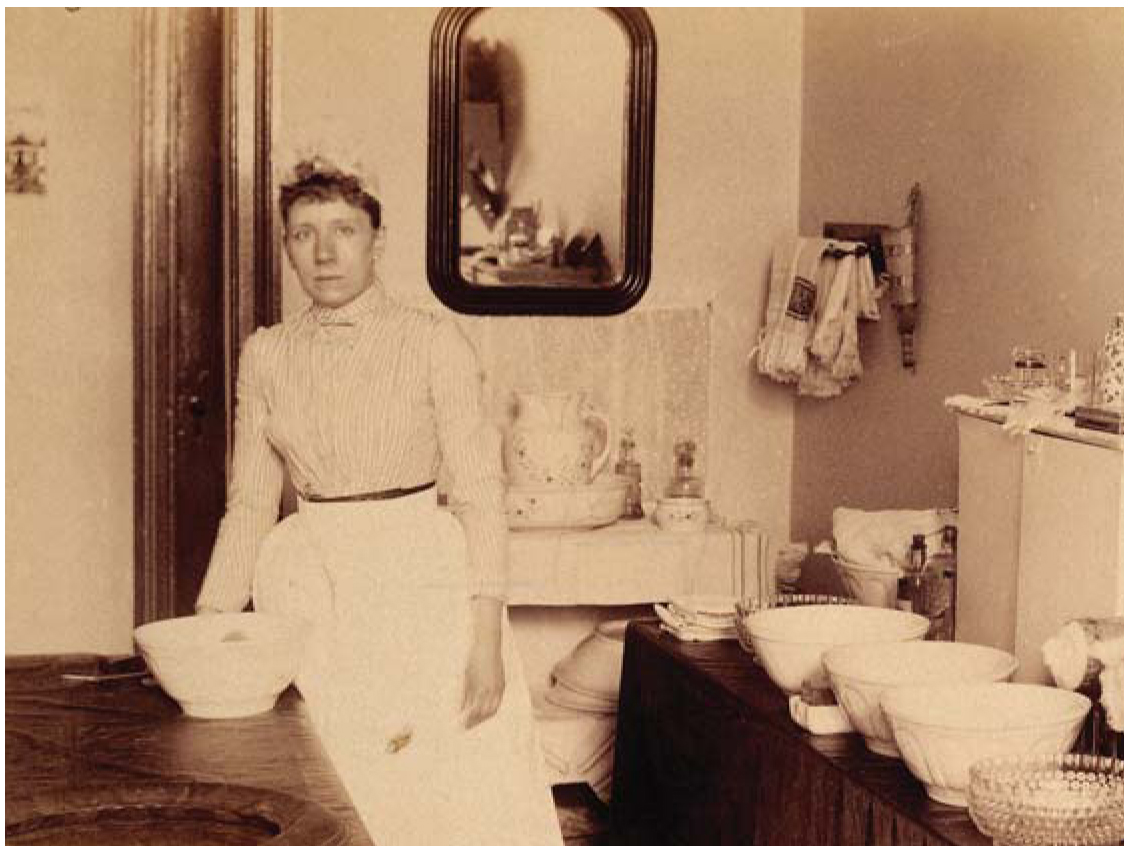
However, this view is not generally shared. Often unfairly viewed as stepping on the toes of clinically minded doctors, Radcliffe described nurses as being tired of the handmaiden image [2]. Suggesting that the change was designed to invest in a professionalism and value that had previously been denied, he proposed that the role of the nurse had progressed towards needing to be a well-educated practitioner with independent duties, skills and responsibilities. Radcliffe speculates that the advancing nurse role is an attempt to mimic the structure of a medical career, responsibilities which previously would have been completed by junior doctors now superseding the menial and boring tasks of the “traditional” nursing role.
So, what is a specialist nurse and how have advances in nursing practice changed this role? How does the role contribute to the service? With consent from the patient, a case study will be used to highlight the role of the advanced haemophilia nurse specialist. This is used as a focal point for discussion of how the extension of this role enables the provision of consistent and comprehensive care and support to patients with inherited bleeding disorders. In accordance with the Nursing and Midwifery Council (NMC) Code of Conduct (2015), all identifiable information has been changed in order to protect the patient’s confidentiality and right to privacy [3].
What is an Advanced Nurse Specialist?
According to the NMC, specialist practice is defined as “the exercising of higher levels of judgement, discretion and decision-making in clinical care” [4]. Therefore, it is expected that a specialist or advanced practitioner should be able to demonstrate advanced knowledge in clinical decision-making, enabling monitoring and improvement in care using a variety of tools.
In 2010, a position statement from the Department of Health acknowledged that the term “advanced nursing” was ambiguous and not clearly defined, which gave rise to inconsistent use of the term [5]. It set national standards that were written in an attempt to clarify expectations of the role of the advanced nurse and to enable national consistency [5]. This initially defines first level registration nursing, with the expectation of building up from this role, using enhanced knowledge and skills, to then define advanced nursing. Expectations of the role encompass aspects of education, research and management, whilst remaining grounded in direct care, with the inclusion of promoting public health and well-being, and the ability to demonstrate an understanding of the implications of social, economic and political changes on healthcare.
How these elements are reflected within the specific and specialised roles in which most advanced nursing occurs will vary greatly. Within the context of the care of IBDs, it is expected that an advanced nurse would be capable of assessing or reviewing a patient with a bleed, planning care and treating directly, or co-ordinating care safely, from a distance, if more appropriate. An advanced nurse is capable of managing safe care and giving advice to both patients and professionals from other specialties to facilitate comprehensive care, whilst managing and overseeing more junior members in their provision of care. For many, this will also include skills such as non-medical prescribing, the teaching of specialist skills (e.g. venepuncture to children and their parents), managing nurse-led clinics, directing and supporting community care, and enabling the safe management of a bleeding condition through other specialities, including minor and (in conjunction with medical colleagues) major surgeries.
Von Willebrand Disease
Von Willebrand disease (VWD) is by far the most common of the inherited bleeding disorders. According to a study performed in 1987 by Rodeghiero et al, an estimated 1% of the population have the disorder [6]. Although this figure may have increased in the intervening 28 years, it is thought that the incidence of those affected is likely to be only a third of those carrying the disorder [7].
VWD is divided into three subtypes: Types 1, 2 and 3. Types 1 and 3 reflect a reduction in quantity of von Willebrand factor (VWF); Type 2 reflects the quality and ultimate function of VWF. Type 2 VWD is further subdivided into four subtypes – 2A, B, M and N– each expressing different functional anomalies. Type 1 VWD is the most common and thought to be responsible for up to 70% of all VWD diagnoses [8].
VWD is an inherited condition that affects males and females equally. However, it varies between the types. Types 1 and 2, for the most part, are autosomal dominant and require inheritance from only one parent; yet Type 3, being autosomal recessive, requires inheritance from both parents [9]. It is thought that the risk of transmission for Types 1 and 2A is 50 per cent from parent to child, although, as previously stated, not everyone who shares these characteristics will be affected [8]. Bleeding symptoms appear to be similar in each type of VWD, the majority being bleeding of the mucosal membrane, skin bleeding and bleeding when haemostatically challenged [10]. One of the biggest bleeding issues for women is centred on menstruation and pregnancy; as such, it appears that more women are symptomatic than men. However, this is not exclusive and varies in tendency and frequency.
Treatment for VWD varies depending on type and blood levels, and includes non-concentrate therapies and VWF concentrates. Non-concentrate therapies such as desmopressin (DDAVP) or tranexamic acid can be useful given the right circumstances. Desmopressin can provide a temporary increase in Factor VIII and VWF levels through the release of stores from endothelial cells within the body. Reponses to the drug are variable, and any response will also be dependent on baseline levels. It is therefore advised that a trial of its use be completed in advance of assuming its clinical usefulness. Desmopressin can be used in the form of an intravenous infusion, subcutaneous injection or intra-nasally. Tranexamic acid is an anti-fibrinolytic drug used to strengthen blood clots. It can be administered intravenously, orally (either parentally or as a mouthwash) and also topically.
VWF concentrates are available as a replacement therapy. They are plasma-derived and undergo stringent purification and viral inactivation processes during manufacturing. The concentrates act to increase Factor VIII and VWF levels. However, the ratio of VIII to VWF varies between manufacturers, and these are always given as an intravenous injection. Current VWF concentrates in the UK include Haemate P (CSL Behring, Marburg, Germany), Voncento (the same drug but with improved viral inactivation) and Wilate (Octapharma, AG Zurich).
In 2014, the United Kingdom Haemophilia Centres Doctors’ Organisation (UKHCDO) guidelines recommended that prophylactic doses should be considered for recurrent bleeding episodes in all types of VWD [11]. This is of particular reference to children with Type 3 VWD, with suggested doses of 30-50 IU VWF: RCo/kg, 2–3 times per week. During pregnancy it is recommended that the VWF:RCo Ag is maintained above 50 IU/dL for labour or caesarean section (C-section), noting that in some patients it will be necessary to give VWF concentrates in order to achieve the recommended level.
The UKHCDO guidelines also recommend that all pregnant women with severe bleeding disorders are best cared for in a hospital where there is expertise in the medical management of IBDs, facilities for laboratory testing and an availability of factor concentrates [8, 11]. Fulfilling these recommendations requires transfer of antenatal care and delivery from local services to a hospital with a haemophilia centre.
Case Study
Cassie (not her real name) is a female in her mid-20s who was diagnosed in childhood with Type 2A von Willebrand’s Disease, following the diagnosis of a member of her extended family. She has baseline levels of Factor VIII: 56 IU/dL, vW antigen (Ag): 28i IU/dL, Ristocetin cofactor activity (RiCof): <10 IU/dL. Following her diagnosis she was seen regularly as a child at her haemophilia centre through regular clinic follow-up, but had become less willing to visit the centre as an adult until becoming pregnant.
Although unmarried, Cassie is in a stable and long-term relationship with a son, who is now aged five years. Cassie’s partner, Ben, is a serving officer; as such, he is away for long periods at a time, so Cassie and her son live with her mother for support.
Cassie has had two previous early miscarriages, both complete and spontaneous before 8 weeks gestation. Early miscarriage is defined as occurring prior to 12 weeks of any pregnancy, and it is estimated that up to 20% of all normal pregnancies result in an early miscarriage [12]. According to Kadir et al, reports of spontaneous miscarriage in women with VWD remain in line with the national average, at 21% [13]. During both miscarriages, Cassie preferred to turn to her family for support. However, for many women, professional support and guidance is offered.
While the UKHCDO recommends that the care of pregnant women with severe IBDs is transferred to their nearest haemophilia centre in order to support their safe progression through pregnancy, this is not always straightforward. Not every hospital has a haemophilia centre; for many people, the nearest haemophilia centre may be some distance away. This becomes an added complication for women in pregnancy and their families at a time when stress levels are often already high. Fortunately Cassie lived fairly close to a haemophilia centre, thus making the transfer of care relatively uncomplicated at this point.
The nurse-patient relationship may often alleviate the stress of transferring care. Where there is a good relationship, patient trust in the knowledge and skill of the nurse will have been built up over time via the caring/treatment process. The advanced nurse is able to minimise the impact of travel to a degree, as they are able to provide advice and support from a distance, either though home visits or over the telephone. Leary et al indicate that 51% of interventions provided by advanced nurse practitioners occur on an outpatient basis [14].
During her first pregnancy, Cassie was referred to her local haemophilia comprehensive care centre following heavy bleeding at week 9, for which she received both DDAVP and tranexamic acid. For the birth, she was admitted for induction of labour at week 39, which resulted in a caesarean section due to non-progression of labour. To ensure haemostasis at the time of her caesarean section, Cassie received a dose of Wilate (30 IU/kg) without any problems. This appeared to cover the surgery well, ensuring good haemostatic cover. Over the next 2 days, Cassie was treated with a further 2 doses of wilate prior to her discharge.
For the removal of her sutures, Cassie received a fourth dose of Wilate. Immediately after the infusion, Cassie became unwell, initially complaining of back pain. This was followed by a 5-minute episode of shortness of breath, requiring oxygen, which resolved without the need for other medication. Following this episode, it was decided that the use of Wilate was no longer appropriate for Cassie, and that the use of Haemate P (the only alternative at that time) should be considered.
At the time of birth, a cord sample was taken. Midwives or obstetricians usually complete cord sampling, although it is often performed incorrectly. Bottles are often incorrectly filled or samples are not sent in the correct type of bottle. With good communication and knowledge sharing between the haemophilia team and the obstetric team, these kinds of errors can be minimised. In Cassie’s case, the results showed that the baby did not appear to be affected. A further blood test taken from her son at one year old confirmed that he did not have VWD. Following birth, it is essential that care continues in the community through local services. Additionly, in contrast to the standard intramuscular dose of vitamin K given to newborns, where an IBD is suspected, vitamin K is administered orally. This comes in 2-3 doses depending on whether the baby is breast or bottle fed; each is administered within the first week to month of life where further doses of oral vitamin K must be administered. In Cassie’s case her baby was treated as if he had an IBD until proven otherwise and as such received oral vitamin K. Normal mother and baby checks should be carried out and referrals made to health visitors as and when appropriate.
Despite having been registered at her local haemophilia centre for much of her childhood, Cassie’s recollections of treatment and clinic appointments are not favourable. She recounts hours of waiting, being talked down to by nurses who were not used to caring for children and, at it’s worst, bad memories of blood testing. It is likely that the relationships built between Cassie as a child and the nursing staff had not, until this point, been good. It would therefore take time to rebuild the relationship and for her to feel confident and supported by it. During her pregnancy, Cassie’s relationship with the consultant and nurses began to improve. Although she still continued only to contact the centre once she no longer felt able to cope at home with her bleeding episodes. Following the birth of her son, she was followed up by phone, with visits to the centre when treatment or blood testing was required.
During her second established and completed pregnancy, Cassie contacted the haemophilia team early and her antenatal care was transferred to her haemophilia comprehensive care centre. Her first trimester continued despite intermittent and moderate vaginal (PV) bleeding. During the second trimester she experienced nose and gum bleeding, for which she received regular tranexamic acid and also Haemate P. For safety, and by virtue of the fact that Cassie was not able to treat herself, the haemophilia specialist nurses completed all infusion of VWF concentrates in the haemophilia centre. However, during a follow-up telephone call, it became clear that Cassie was beginning to develop an intolerance to Haemate P. She complained of delayed onset itchy rashes, followed by shortness of breath and dizziness. Prior to her next infusion, these symptoms were eased, although not prevented, using chlorphenamine (orally 4mg).
Unfortunately, Cassie’s bleeding episodes continued to worsen and, with continual bleeding, it became necessary to begin treatment. She was now 20/40 weeks pregnant. By this time, a new version of Haemate P, Voncento, was available and was tried as an alternative. Cassie’s bleeding – PV, nose and gums – settled after just a single dose of Voncento. Through pre-medication (chlorphenamine) and by infusing the Voncento at a very slow rate, Cassie had no reactions. It was at this point that she appeared to finally start enjoying her pregnancy.
Despite the experience so far not having been straightforward, Cassie had remained quite stoic, preferring to carry on as normal despite bleeding, and not contacting the comprehensive care centre until absolutely necessary. This was a cause for concern among the team, and regular telephone contact was initiated to encourage communication.

Prophylaxis would normally be prescribed for patients with Type 3 von Willebrand’s disease, or for bleeding where the cause cannot be prevented. As a result of the previous bleeding she had experience in pregnancy up until this point, it was decided that Cassie should receive prophylaxis.
Cassie began prophylaxis at 20 weeks of pregnancy. With increasing confidence, the specialist nurse began administering 2,000 IU doses of Voncento (30 iU/kg) three times per week. The rate of infusion was sped up to a realistic rate for home treatment, and Cassie was trialled without the use of any pre-medication. This all progressed well and Cassie began to learn to self-administer treatment for the first time. Teitel et al discuss the role of the specialist nurse in training patients and their families to be proficient in intravenous treatment [15]. Advising that training imparts both theoretical and practical skills and must be individualised, Vidler supports the idea that training from a nurse specialist enables flexibility, experience and support, allowing specific and individual needs to be met [16]. Teitel further adds that competent access can take anything from one week to six months; however, with completion, patients report reduced fear, anger and depression, with increased self-confidence and security [15].
After two weeks, Cassie was treating herself at home for two of the three weekly doses and all was going well. She reported a few self-limited nosebleeds, but no further PV bleeding. Once she was comfortable with home treatment, home delivery was set up and Cassie was telephoned on a daily basis for support and follow-up in the event of any incidences of bleeding and to ensure prophylaxis continued with no problems.
In 2010, the RCN published a summary in alliance with rheumatology specialist nurses, which established that 67% of their interventions were clinical, and 51% of interventions were completed as outpatient work, including by telephone [17]. 18% of all events were considered to involve addressing psychological needs [17].
At 26 weeks, Cassie presented with gum bleeding and a burning, itching sensation all over her body, which commenced shortly after administration of her last prophylactic dose of Voncento. Liver function tests were performed to exclude a pregnancy-related abnormality and Cassie was encouraged to contact the antenatal team for advice. The antenatal team was not concerned, and following the return of normal liver function test results, she was sent home.
It was decided that no further Voncento should be administered in order to ensure that it was not the root cause of the side effects. Chlorphenamine and a dermatological cream were prescribed to ease the itching. Unfortunately, three days later, Cassie’s gum bleeding had re-established and she was keen to resume prophylaxis. Given that the itching (predominantly to the hands and feet, and still no visible rash) had continued despite withholding Voncento, it was decided that prophylaxis should recommence with continuation of the use of chlorphenamine and the dermatological cream if necessary.
The summary published by the RCN in 2010 identified the main areas included in the role of the clinical nurse specialist [17]. Among the top five was improved access to provision of clinical expertise in other fields of care. The seven weeks following the withholding of Voncento were blighted for Cassie, who suffered recurrent epistaxis and gum bleeding. However, during this time there was no further PV bleeding reported. An ear, nose and throat (ENT) specialist was contacted for review of Cassie’s increased epistaxis, but this was to no avail. Her prophylaxis was increased from three times per week to alternate days in an attempt to reduce her bleeding.
At 33 weeks Cassie was reviewed and a date for her caesarean section was set for week 39. However, during week 37, Cassie awoke on a Thursday morning with generalised swelling over her face and body, and was unable to open her eyes. On Sunday, the swelling had begun to settle enough that she felt able attend the emergency antenatal unit for a review by the midwifery team. The baby was fine and Cassie was sent home.
Cassie attended the haemophilia centre two days later still fairly swollen and complaining again of a burning sensation to her skin. More blood tests were taken, a urine sample was tested and sent for microscopy and sensitivity testing, observations were taken, and she was again reviewed by the antenatal team. Her blood pressure had become slightly raised; a urine dipstick test showed traces of protein and LFTs were slightly elevated.
Following an obstetric registrar and midwife review, Cassie was sent home with the possibility that she may be admitted for an early caesarean section due to the possible onset of pre-eclampsia. James et al. estimate that 5–8% of pregnant women can be affected by pre-eclampsia [19]. The reasons for this remain unclear, but the onset of symptoms usually occurs after week 18. Symptoms can include gestational hypertension, proteinuria, systemic endothelial cell activation and an exaggerated inflammatory response. Without careful patient management, it can result in both maternal and foetal death. Currently, the only cure for this condition is delivery of the baby and placenta.
On review the following day, the obstetric team was happy with Cassie’s symptoms and planned to continue with the original caesarean section date set for two weeks later. Although close communication and reviews continued to provide support and her symptoms remained under close observation, Cassie was not happy.
The following week, Cassie again had a trial without Voncento to see if the itching improved, but this gave her no relief. Following the onset of further PV bleeding, prophylaxis was started again. Once back on prophylaxis, Cassie’s PV bleeding slowed, but did not stop. At this stage, Cassie reported normal baby movements and no contractions, but she was concerned and not confident that she would not go into labour before the caesarean section date the following week. Communication and support from the obstetric and haematology on-call teams was maintained throughout. Cassie was made aware of both the out-of-hours and delivery plans and knew how to contact the team at any time, should it prove necessary.
The obstetric team was happy with Cassie’s condition and not keen to advance the surgery date. However, Cassie was advised that she should go to A&E in the event that the bleeding flow increased and she was unable to get help from the obstetric team outside of regular hours.
Cassie was admitted to the labour ward on the date planned for her caesarean section. She was treated with Voncento, and pre- and post-von Willebrand levels were taken. Unfortunately, there was a delay in the processing of her blood samples in the laboratory, and without the results to hand the consultant was unable to say with confidence that an epidural was safe. It is recommended that epidurals should be avoided in women with Types 2 or 3 VWD and those in whom the baseline VWF and Factor VIII levels have not normalised during pregnancy [11]. The caesarean section was completed under a general anaesthetic.
An hour before the proposed time of surgery Cassie had good post-treatment levels of VIII: 220 IU/dL, vWAg: 236 IU/dL, vW Ricof: 157 IU/dL. However, due to an obstetric emergency, it was a further 4.5 hours before she went into theatre. A spot level taken at the time of surgery was completed. Results showed good levels, with Factor VIII: 120 IU/dL, vWAg: 160 IU/dL, vWRicof: 114 IU/dL. Surgery continued and Cassie only lost 400ml of blood, which was encouraging. She was treated that evening with a further dose of 1,000 IU. All itching stopped following the birth of her baby girl, and facial swelling also began to settle shortly after. Cassie was advised that the stitches that had been used during the operation were to be removed after 48 hours.
At the time of birth, the baby received her first dose of oral vitamin K and a cord blood sample was taken. The sample that was collected was insufficient for testing and at 1 day Cassie’s baby girl had her first peripheral blood test. Her von Willebrand’s screen returned as low, with levels of VIII: 32 IU/dL, vWAg: 37 IU/dL, vW Ricof: 19 IU/dL. However, for a true reflection of her clotting levels, a repeat test would be done after six months of age.
Following the birth, Cassie’s VWD was treated using more Voncento, each time without complication. She received twice-daily doses on Day 1, reduced to once daily by Day 2, with more levels and a full blood count. Cassie was due for discharge on Day 3 and would continue on daily treatment at home for a further week. Day 3 was a Saturday and when she asked when she would be allowed to go home, Cassie was told that her discharge papers were being completed. She was not, however, given any indication of time. Her mother and son came to the ward in the hope of helping her home. Having waited all day, at 10pm Cassie asked again when she could go home, but the response was far from acceptable.
Cassie was told that the midwife was not happy to discharge the baby due to the inherited von Willebrand’s disease. The on-call haematology doctor was contacted, and he too was treated rather poorly by the midwifery team, who chose to ignore the advice he gave encouraging Cassie and her baby to be discharged from hospital. When asked if she could discharge herself and her baby, Cassie was advised that if she left the ward with the baby without being discharged, then hospital security or the police would be contacted, as the baby could not be taken from the ward. Cassie was distraught, tired and confused by how to best to deal with this situation. Eventually, later that night, she was given permission to leave the ward with her baby, although she would need to return the following day to collect her discharge papers.
Postnatal care and the necessary follow-up in the community for mother and baby falls back to the local teams following discharge. For this to happen smoothly, good communication between the midwifery, community and haemophilia teams is required, along with close support for both the patient and community teams by the haemophilia team. Unfortunately, this did not happen for Cassie.
A follow-up call to Cassie on Monday morning from the specialist nursing team revealed the far from desirable events surrounding her discharge at the weekend. Actively managing the situation fell to the role of the specialist haemophilia nurse. The most pertinent job was to reestablish a link between the local community team and the patient. This was achieved by ensuring that both mother and baby’s paperwork was communicated quickly and effectively, and confirming that follow-up care was being provided by the appropriate teams. Frustratingly, attempts to involve the community teams failed. Firstly, the GP refused to remove Cassie’s stitches, then the midwife who arranged to visit Cassie at home to administer the baby’s second dose of vitamin K failed to arrive. Cassie’s stitches were eventually removed effectively by the hospital team, 6 days later than originally advised. During the visit to the hospital to have her stitches removed, Cassie’s baby also received her second dose of oral vitamin K.
Conclusion
According to Lowe et al, the development of nurse specialist roles were a direct response to increasingly unmet health care needs [19]. These authors go on to explain the difficulty in evidencing the efficiency and cost-effectiveness of the advanced nurse specialist, due to the existence of unclear and inconsistent roles across different specialties and hospitals.
There have been few attempts to define the role of the advanced nurse specialist. East et al cite the International Council of Nurses’ (ICN) definition, believing it to be both broad and flexible whilst readily accepted worldwide [20]. The ICN define an “advanced practice nurse” as: “A registered nurse who has acquired the expert knowledge base, complex decision-making skills and clinical competencies for advanced practice, the characteristics of which are shaped by the context and/or country in which s/he is credentialed. A master’s degree is recommended for entry level”.
While this definition does cover a wide area of nursing requirements, variations in the role both nationally and globally make the actual role of the advanced nurse specialist less clear. What is clear is that the role is a specialist one, comprising many important facets. Each area of medicine in which specialist nursing roles exist highlights differing qualities and abilities. However, following several attempts to establish the most important and appreciated areas pertinent to the advanced nurse specialist, a number of main areas are clear and common across the role. In a Hong Kong study of a variety of nurse-led clinics, Shiu et al. found six elements which define the role: “a holistic approach to client care, and family-centred care, integrated team work, community-hospital interface, evidence-based practice and innovative practice” [21]. This is reflected in the RCN’s 2010 study of rheumatology nurse specialists in the UK [17], in which eight main themes defining the role of the “advanced nurse specialist” were identified:
management of both physical and psychological symptoms using specialist and specific knowledge and skills
alleviation of physical and psychological suffering
rescue working through vigilance and knowledge preventing emergencies in health
co-ordination of complex care and referral to other professional/specialists
acting as knowledgeable and accessible professionals
providing clinical expertise to patients, families and other professionals
resolving unsatisfactory experiences, and
representing good value for money through cost-cutting and the freeing-up of medical colleagues’ time.
For competent, coherent and holistic care to be delivered, good communication skills, knowledge and ability is paramount. For this to happen, the specialist nurse needs to be involved or communicated with at the outset. In Cassie’s case, there was a disadvantage from the start, given a poor expectation of the nurse-patient relationship following previous negative patient experiences. The haemophilia team had not appreciated the full extent of the situation until things started to go awry. Inter-specialist communication and teaching was important throughout Cassie’s pregnancy, and it was necessary to allocate significant amounts of support, time and teaching to her in order to develop a level of trust and understanding that would enable the best outcome. The degree of information sharing was not sufficient, and continued, open communication with local services may have improved reintegration into community care following the birth of Cassie’s baby girl.
While Cassie remained safe throughout her pregnancy and labour, it proved to be far from a smooth ride. Pregnancy and labour for a woman with an IBD is complicated at best, although care from a tertiary centre with a haemophilia CCC should be seamless. Unfortunately, health care professionals are not always in control of every eventuality.
According to Radcliffe, “The key to the success or failure of the doctor-nurse relationship is the patient experience,” [2]. Surely patient experience should amount to more than the doctor-nurse relationship. It can be enhanced by the advanced nurse specialist role, which in turn provides successful joined-up care and MDT relationships with patients.