South Africa has parallel private and public health systems, with the public system serving the vast majority of the population. The challenges of resourcing and organising health care are compounded by enormous public health demands, including the burden of diseases such as HIV and tuberculosis. Across the country, the standard of haemophilia treatment and care ranges from that expected of the developed world to that encountered in the developing world. Standards of haemophilia care vary between provinces, depending on resources. The smaller less well developed provinces lack the resources to maintain a minimum of 1 IU clotting factor usage per capita. Many of the poorer provinces also lack the infrastructure to permit access to treatment centres, while those in the more rural areas frequently lack expertise.
The South African national haemophilia programme was recognised in 2000 and implemented by the National Department of Health, the haemophilia specialist healthcare professionals of the Medical and Scientific Advisory Council (MASAC) and the South African Haemophilia Foundation [1]. The South African Haemophilia Nurses Committee was formed in 2001 and held an inaugural meeting in Pilansburg under the mentorship of the World Federation of Haemophilia nurses committee, which at the time was chaired by Anne Gilham from South Africa. The nurses invited to this meeting were already established as haemophilia nurse coordinators in South Africa’s haemophilia treatment centres and comprehensive care centres. Some had been involved in the programme since the early 1990s. Specialist haemophilia nurses in the haemophilia treatment centre network have diverse roles ranging from case finding in rural settings and referral for diagnosis, genetic counselling, education of patients and caregivers and lobbying for improved care and facilities. Most of these nurses do not have haemophilia care as part of their primary job description.
The MASAC nurses committee aims to develop haemophilia nursing for the future both within South Africa and throughout Africa. By 2007 the total number of people diagnosed with haemophilia in South Africa had increased as a result of outreach programmes led by the MASAC nurses committee but remained less than half the number that would be expected from a population of 46 million.

Training nurses for haemophilia care in South Africa
Following the implementation of the haemophilia programme a risk analysis assessment was completed by the national Department of Health, and the haemophilia nurses training programme was established to address some of the problems identified. From its inception in 2001, the committee implemented regular haemophilia nurse training courses led by Anne Gillham, Jill Smith and Anne-Louise Cruickshank. They also ran “Train the Trainer” programmes with the local trained haemophilia nurses to help ensure sustainability. By March 2014 the number of nurses working in South Africa who had attended a haemophilia training session reached 682.
The MASAC nurses committee recognises the challenges to delivering high quality haemophilia care in South Africa and looks to every opportunity to develop the role of nurses to achieve this goal in collaboration with medical and other colleagues and organisations. In November 2013, a workshop was held in as part of the MASAC symposium, which was sponsored by Novo Nordisk. There were 35 nurse participants from all over South Africa.
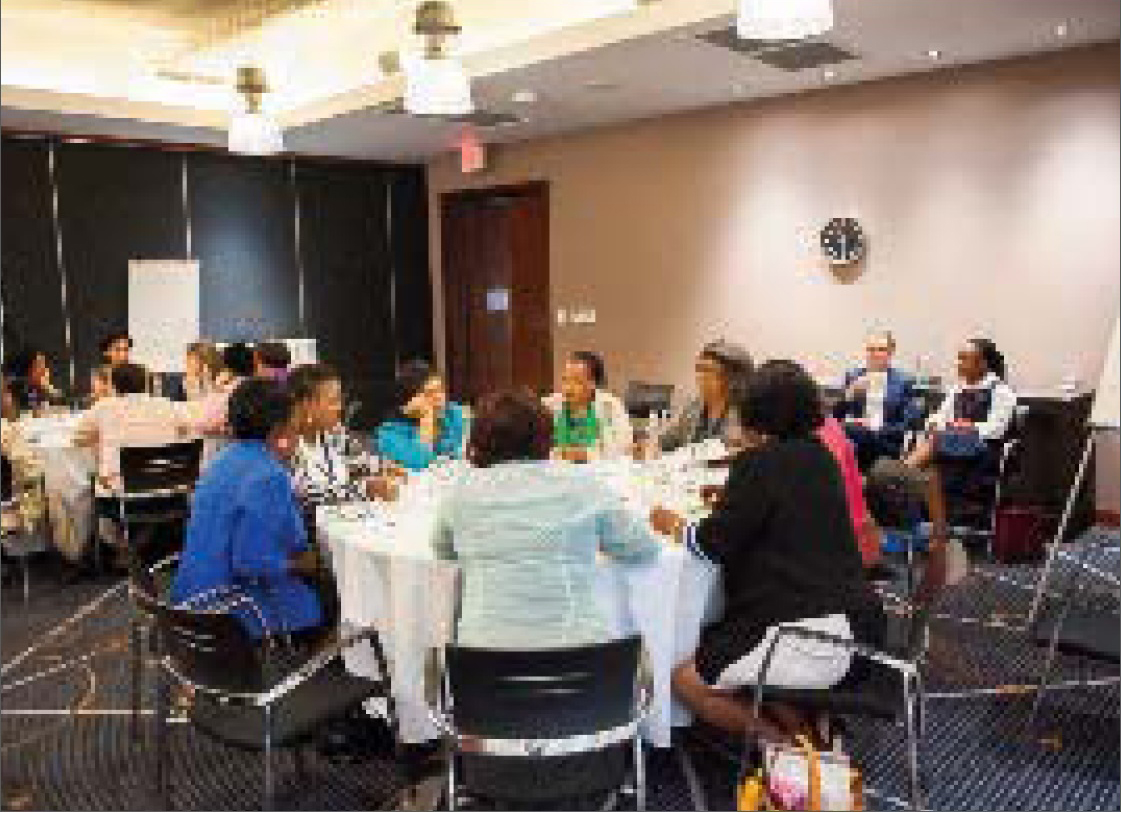
Following introductions, small groups were convened to identify and discuss the challenges facing haemophilia nurses in South Africa. Each group fed back to the whole group and the main themes were summarised on wall charts. Each nurse selected the three challenges they regarded as most important by placing coloured stickers on the chart. The highest scoring challenges were then considered in greater depth in further small groups, with an emphasis on ideas for possible solutions.
There was a high level of engagement and lively discussion that revealed some passionately held views. While differing views were expressed about priorities and potential solutions, some common themes emerged.
Recognition by employing institutions
Recognition of the need for nursing input in the management of haemophilia on the part of funding institutions emerged as the most frequently cited challenge. Where a post had designated hours for haemophilia it was often a struggle to sustain this. For many, time available for haemophilia work was often limited by competing demands from other aspects of the job, typically haematology or paediatrics. Where nurses had received haemophilia training they were often moved away to other areas of practice. Hospital authorities often did not recognise the advantage of having specialist nurses to work with patients with a life-long condition. There were also difficulties in getting support for education, networking with peers and attending meetings in the field.
Participants recognised that there was a small number of highly dedicated haemophilia nurses who had many years of experience. This raised the issue of succession planning and building a career structure for nurses to take over leadership roles. These issues were shared by nurses in South Africa and in the UK despite the differences in health systems and resources available for haemophilia care.
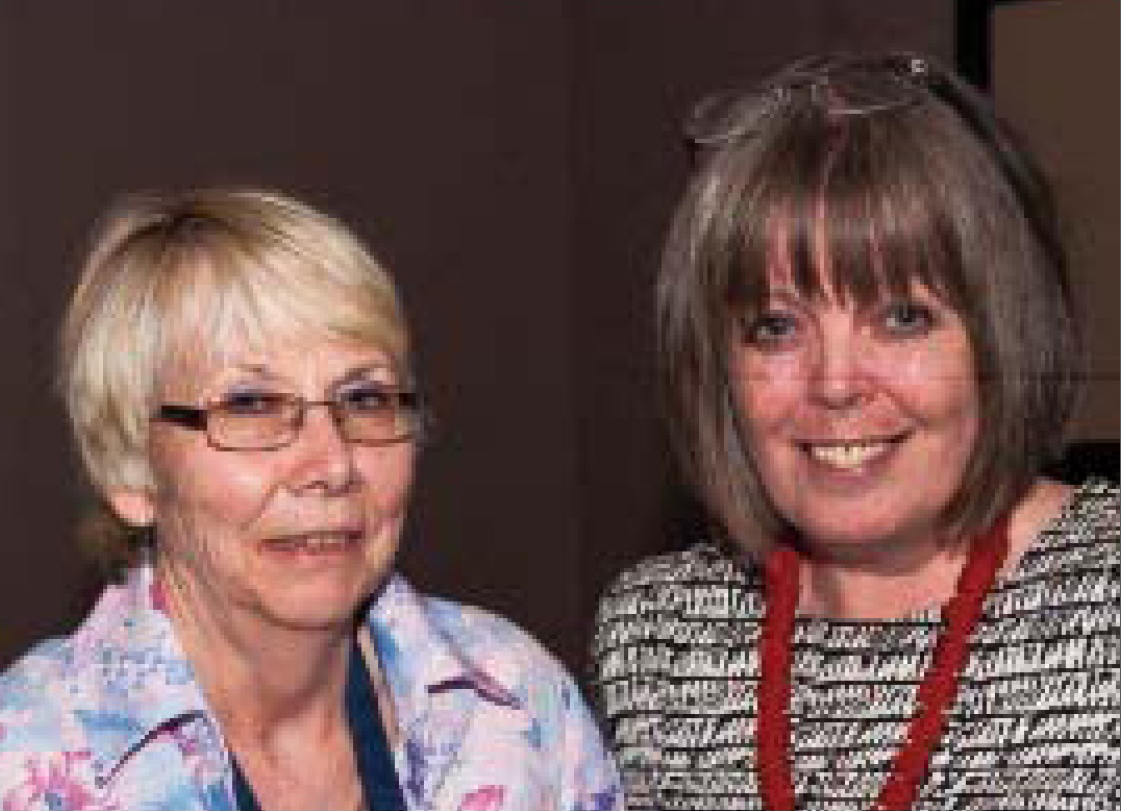
The workshop format provided the opportunity for lively and fruitful discussions involving all the attendees
Suggestions for addressing these challenges highlighted the importance of advocacy and support from the key organisations involved in haemophilia treatment and care such as MASAC and the Haemophilia Foundation, and from local medical colleagues. Locally the importance of haemophilia nursing in addressing clinical governance should be highlighted. Nurses themselves need to be able to articulate what they do and what needs to be done. The nurses committee should consider its role in promoting this and supporting nurses with evidence of the impact of haemophilia nursing, particularly of the significant role they have played in training and outreach services. Nurses also need to be able to clearly communicate about any gaps in their service that do not allow them to meet Department of Health guidance. It was thought that sharing job descriptions across the haemophilia network could be helpful in building local proposals. It was also felt to be important for each nurse to be clear about their job and functions so that the requirements of patients with haemophilia were explicitly part of a job rather than invisible. Nurses who were already experienced in setting up haemophilia services were thought to have much to offer those who were just starting out, particularly with respect to establishing clinics and outreach programmes.
Outreach into rural areas
Specialist nurses have made the greatest impact on haemophilia health care delivery in South Africa despite their small numbers [1]. In the workshop nurses identified providing outreach as one of their greatest challenges. Support for this aspect of the haemophilia service was often lacking from local authorities and there were frequently communication issues with health services in the provinces and little support at a national governement level. Outreach should be an integral part of the haemophilia service and local managers have to understand its importance. In discussion this was agreed to be inextricably linked with the recognition of what the role of the nurse involves and what commitment should be built into posts. Nurses could support each other in developing business plans and share ideas about what outreach initiatives have worked in different areas and how to scope existing resources that could be utilised such as mobile clinics or school health services.
Recognition of haemophilia centres
This theme encompassed challenges around the identification and establishment of haemophilia centres. As with the issues surrounding the recognition of nurses roles, there are also difficulties with lack of dedicated medical staff, which impacts on the capacity to provide a clinical service and to engage in research and teaching. Resources including availability of treatment, staffing and premises were considered to be fundamental to sustaining a service. There were some areas where instituting home therapy was particularly difficult due to hospital policies that did not enable them the nurse to teach patients how to infuse clotting factor concentrates. While most existing haemophilia centres cared for children and adults, where these services were separate and in different provinces, transition was often complicated by the lack of a specialist haematologist at the adult clinics, leaving care to be delivered by medical officers on rotation who may not be experienced or have time to commit to haemophilia care.
Suggestions from the group included communicating with supervisors, managers and CEOs about patient episodes. Providing regular reports on activity and gaps in service could be part of this. Another useful strategy was linking with other interested professionals to encourage and develop mutual interests in haemophilia care and working together to set up clinics and lobby for services. Early interventions identified as important in improving care were targeting education at sites where patients access care such as emergency departments.
Education, education and education
Sustaining and continuing education for healthcare professionals in haemophilia was seen as a challenge, especially as many nurses originally trained may not have had updating sessions or opportunities to advance their practice. Educating hospital managers and supervisors was thoughtessential to developing services. Staff at key points of contact for patients such as community and emergency personnel also need education to allow safe and effective management within resource constraints. The central role of patient and family education needed to be recognised and built into nursing posts.
Workshop participants considered it important to be proactive and to develop a variety of educational events focused on particular personnel and pathways. Collaboration with nurses working in other areas such as genetic conditions and with other specialist roles was valued for exchange of ideas. Ongoing specialist haemophilia education for nurses providing regular care for patients needs to be sustained but sanctioning of study leave is linked to management recognition of the role. Training should not be a one-off event as it needed regular updates. Those nurses who aspired to advanced practice in haemophilia needed support. Several participants suggested a national annual haemophilia nursing meeting.
Other challenges raised
How to stimulate nursing research and support nurses to write for publication
Identifying and developing emergency pathways for patients with haemophilia needing treatment
Guidelines for working relationships with industry partners
Distance from treatment facilities and access to transport
Providing continuity of patient education and skills training.
Conclusion
The workshop gave nurses the opportunity to network and discuss common challenges. The importance of training and establishing and sustaining specialist posts and the advocacy necessary for these were key themes that emerged. Creating teams and networking rather than struggling in isolation were seen as essential to achieving progress. Nurses could play a significant role in addressing the challenges facing haemophilia care in South Africa and raising standards of practice.