Historically, it has been common for persons with haemophilia (PwH) to adopt a sedentary lifestyle and avoid physical activity (PA) to limit bleeding risk [1,2,3,4]. However, lack of PA contributes to the development of obesity and other comorbidities that can perpetuate worsening joint and muscle health in PwH [4,5,6]. Regular age- and risk-appropriate PA is increasingly recognised for its important role in improving and maintaining musculoskeletal and cardiovascular health, quality of life (QoL), and social and psychological well-being among PwH [2,4,5,7,8,9,10,11], and several haemophilia organisations provide resources to support individualised engagement in PA [5,10,11,12,13,14]. The paradigm shift toward encouraging participation of PwH in regular, individualised PA has largely been driven by the establishment of prophylaxis as the standard of care with either clotting factor concentrates (CFCs; especially extended half-life [EHL] factors) or non-factor replacement therapies [1,5], both of which have substantially reduced joint bleeding rates and deterioration [1,5]. Intravenously administered EHL CFCs and subcutaneously administered non-factor therapies provide PwH with treatment options that can improve efficacy and reduce treatment burden compared with conventional therapies [5,15]. These novel agents offer PwH the potential to lead active lives with greater protection against bleeds and improve QoL of both patients and caregivers [5,15]. However, the evolved haemophilia treatment landscape has also introduced practical challenges such as treatment monitoring. For example, monitoring of factor-based therapies is guided by measurable factor levels, whereas non-factor therapies do not lend themselves to conventional measurements. As such, there is a growing need to consider overall haemostatic potential as a unifying framework to assess treatment adequacy across various therapeutic modalities, including in the setting of PA.

Despite advancements in treatment and increased recognition of the importance of PA, hesitation regarding risks associated with exercise and participation in sports persists in the haemophilia community[1,7]. This may be particularly true for older PwH with severe disease who often live with chronic pain and a greater orthopaedic and musculoskeletal comorbidity burden, which may preclude involvement in vigorous activity[16,17,18,19,20]. For these individuals, views on exercise and involvement in different types of PA may also be influenced by a long-standing fear of falling or injury, potentially leading to reduced risk tolerance[16,17,18,20]. Overall, important questions remain regarding the minimum and ideal haemostatic protection for PwH to safely participate in different types of PA [21,22,23,24,25], and the relationship between PA and bleeding phenotype remains poorly understood [8,21,22].

The aim of this narrative review is to explore the intersection of PA and haemophilia, with a focus on the Canadian perspective in terms of current standards of care and clinical experience, and an emphasis on the critical role of comprehensive care in improving patient-relevant PA outcomes. The term ‘PA’ is used throughout this review to include a broad range of physical fitness and skills-based activities that vary with respect to injury risk level, from activities involving daily mobility (e.g., walking) to engagement in non-sport physical exercise (e.g., jogging, cycling, weightlifting) or planned sports (e.g., basketball). In the first section of this review, considerations for PA in PwH, its role in haemophilia management, and impacts on health and psychosocial well-being are discussed. Current guideline recommendations are then summarised, with a focus on involving the haemophilia treatment centre (HTC) comprehensive care team to support safe participation in PA through shared decision-making and individualised treatment planning. Next, important and evolving roles for behavioural change and wearable technologies in promoting safe participation in PA are addressed. Evidence for minimum and ideal haemostatic protection for participation in PA and the impact of prophylaxis on physical function and activity levels are then reviewed. Finally, limitations concerning prophylaxis, real-world disparities in access to treatment and physiotherapy services for PwH, and other gaps are discussed. The evidence summarised throughout this narrative review should be considered in the context of the inherent limitations specific to the original studies described.

To illustrate practical considerations for prophylaxis to support PA in PwH described herein, a hypothetical patient case example was developed (Table 1). Components of this case example are presented in call-out boxes within each relevant section of the review.

Table 1.

Patient case example illustrating practical applications of guidelines, use of prophylaxis, and the role of the haemophilia treatment centre to promote physical activity in PwH

CASE COMPONENT DESCRIPTION
Target joint considerations A 24-year-old male with severe haemophilia A (FVIII <1%) and no history of inhibitors presents to the HTC to discuss optimising his care for increased PA. He has a history of a left ankle target joint from recurrent bleeding in childhood and adolescence but has remained bleed free for several years on prophylaxis with an EHL FVIII concentrate.
Tailoring management around different risk activities The patient has recently taken up recreational soccer and weightlifting and wants to ensure he is adequately protected while maintaining joint health. To personalise the patient’s prophylaxis regimen, he undergoes a pharmacokinetic study of his EHL FVIII concentrate. His results show a peak factor level of 80% post-infusion of 40 IU/kg and a half-life of 16 hours.
Adjustments in prophylaxis for individualised management Based on these findings, the patient adjusts his infusion schedule, administering factor immediately before soccer matches to maximise protection and tailoring doses to sustain adequate coverage for weightlifting sessions. On average, he requires five infusions per week to maintain his desired level of PA.
Evolution in prophylaxis for management of haemophilia and impact on PA Three years after the patient’s EHL FVIII concentrate infusion schedule adjustments, he transitions to emicizumab prophylaxis, reducing his infusion burden while maintaining excellent bleed protection. With this regimen, he continues soccer and weightlifting and, through shared decision-making with his HTC team, incorporates outdoor rock climbing into his routine.
Involving physiotherapists and other HTC comprehensive care team members in management to support participation in sport The patient’s HTC team emphasises ongoing joint health monitoring and provides guidance participation in higher-risk activities. To ensure his musculoskeletal needs are adequately addressed, he meets regularly with his HTC team, including physiotherapists and haematologists, to assess joint function, optimise his treatment plan, and incorporate strategies for injury prevention and long-term joint health.

[i] This example case is hypothetical and is not based on a real patient. All cases encountered in clinical practice are unique and treatment should always be individualised to each patient.

[ii] Abbreviations: EHL, extended half-life; FVIII, factor VIII; HTC, haemophilia treatment centre; PA, physical activity; PwH, persons with haemophilia.

THE ROLE AND IMPACT OF PHYSICAL ACTIVITY IN PERSONS WITH HAEMOPHILIA

CASE EXAMPLE POINT 1

A 24-year-old male with severe haemophilia A (FVIII <1%) and no history of inhibitors presented to the haemophilia treatment centre (HTC) to discuss optimising his care for increased PA. His history includes a left ankle target joint from recurrent bleeding in childhood and adolescence, but he has remained bleed free for several years on prophylaxis with an EHL FVIII concentrate.

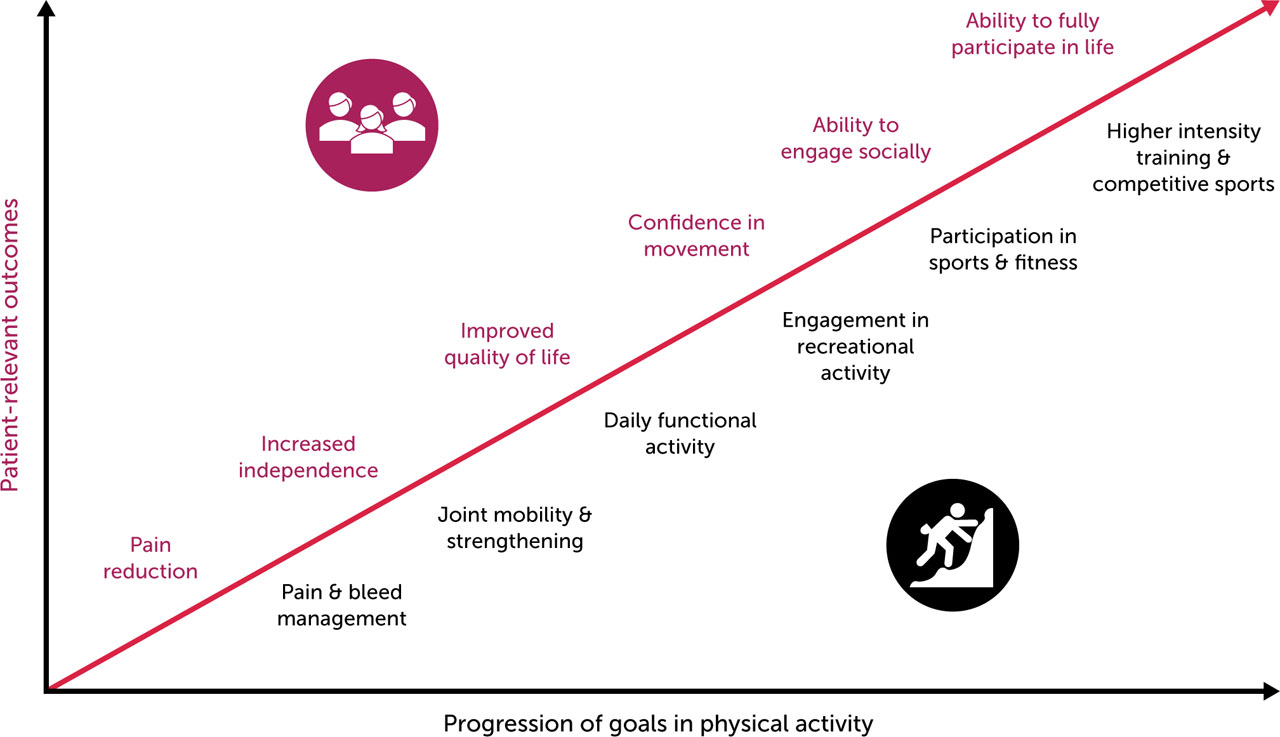
Physical inactivity may predispose PwH to more frequent and severe health conditions including diabetes, hypertension, hyperlipidaemia, obesity, osteoporosis, and increased joint stress, further exacerbating bleeding and immobility [3,8,18]. With the recent evolution of haemophilia treatment, the role for PA in haemophilia and comorbidity management should be emphasised [4,7,8,18]. The continuum of PA goals and associations with patient-relevant outcomes for PwH is presented in Figure 1.

Figure 1.

Associations between progression of goals in physical activity and patient-relevant outcomes for PwH

Note: Progression of goals in physical activity and associations with patient-relevant outcomes are not always sequential or linear. General figure concept inspired by Skinner MW, et al. Haemophilia 2020;26(1):17–24 [107].

Abbreviations: PwH, persons with haemophilia
graphic/j_jhp-2025-0020_fig_001.jpg

Clinically, regular PA supports musculoskeletal health by reducing risk of injury, pain, and bleeding while improving joint function, stability, bone density, strength, flexibility, coordination, and treatment efficacy [3,7]. For PwH, types of PA are often categorised by risk level or intensity and energy expenditure (e.g., metabolic equivalent of task [MET] or rate of perceived exertion) [13,22,25]. Although fear of bleeding is often a barrier to PA among PwH [18,26], a systematic review by Kennedy et al (2021) found no conclusive relationship between PA and bleeding among PwH of different severities, nor was there an association between bleeding or injury with high-impact PA in PwH who were treated on demand or with prophylaxis [8]. In addition, the results suggested that PA levels are variable in heterogenous populations of PwH with different disease severity. Findings from a recent prospective, single-centre study in Germany also showed a high level of heterogeneity in PA between PwH, but found no significant differences in objective or subjective PA levels between PwH with mild, moderate, or severe disease [2]. Similar to the findings from the systematic review by Kennedy et al, a study that implemented an individualised, supervised, six-week PA program consisting of twice-weekly exercises in patients with bleeding disorders did not find any adverse effects on exercise-induced injuries, pain, oedema, joint circumference, or bleeding [26]. The exercise program resulted in improved joint motion, strength, and distance covered in the six-minute walk test, with the greatest improvements reported in patients with the most severe joint damage and comorbidities. These collective findings are aligned with recommendations from haemophilia experts (described further under ‘Current recommendations for physical activity in persons with haemophilia’) [7].

In addition to clinical challenges, PwH face psychosocial issues including uncertainty, social restriction, unemployment, emotional disturbances, and reduced self-esteem [27]. The associated distress may negatively impact treatment adherence and overall disease management. In a cross-sectional study of US adults with self-reported haemophilia A or B, more than 50% of participants had moderate-to-severe symptoms of depression or anxiety based on patient-reported outcome (PRO) scores without clinical diagnosis for either disorder [28]. Further, PwH with moderate-to-severe depressive symptoms were more likely to have lower treatment adherence than those with mild/no depressive symptoms, and PwH with moderate-to-severe symptoms of anxiety were more likely to have uncontrolled pain and reduced social support than those with mild/no symptoms of anxiety.

It is well established that PA improves mental health, emotional status, and social interactions in PwH and in the general population [27,29]. Sports are typically considered more social than other forms of PA and are particularly beneficial for social connectedness, support, and peer bonding [29]. For PwH, self-efficacy, fun, and social aspects appear to be important facilitators of PA, whereas enthusiasm and interest are motivating factors for sport participation [18]. A patient’s physical, mental, and social status may also be affected by their treatment regimens. For example, a cross-sectional study of Spanish adults with haemophilia found that emotional, mental, and social status were correlated with physical status (including joint health, daily activities, pain, and self-perceived functionality) among those receiving prophylaxis but not on-demand treatment [30]. This is noteworthy given the important role prophylaxis plays in facilitating participation in PA for PwH.

Numerous factors influence the safety and risks associated with PA for PwH [3,7]. Clinically, patients present with distinct bleeding patterns and risks depending on the type and severity of haemophilia, annual bleeding rate (ABR), presence or absence of inhibitors, and maintenance of adequate clotting factor levels (described further under ‘Minimum and ideal factor levels for participation in physical activity’[3,7,25]. The patient’s overall physical condition (e.g., comorbidities and existing target joints), athletic ability (e.g., coordination, flexibility, strength, and endurance), and muscle health should be considered to determine susceptibility to injury and bleeding risk [3,7]. Additionally, the specific goals, preferences, and support networks of patients must be considered [3,5,7,11,12,13,14]. Overall, the integration of PA into the lives of PwH should be multidisciplinary, carefully monitored, individualised, and based on shared decision-making.

CURRENT RECOMMENDATIONS FOR PHYSICAL ACTIVITY IN PERSONS WITH HAEMOPHILIA

CASE EXAMPLE POINT 2

The patient has recently taken up recreational soccer and weightlifting and wants to ensure he is adequately protected while maintaining joint health.

With the evolution of effective treatment options and management strategies for haemophilia, recommendations for PA in PwH have changed. Guidance from the Canadian Hemophilia Society (CHS), National Bleeding Disorders Foundation (NBDF), and World Federation of Hemophilia (WFH) can be used to support safe participation in PA, including various types of exercise and sports [5,11,12,13,14]. The principles, approaches, and recommendations from these organisations are described in Table 2. In brief, the CHS has provided several resources to help guide PwH and their families in planning for and engaging in safe PA [10,11,14]. The CHS ‘In the Driver’s Seat’ personalised PA workbook emphasises shared-decision making to consider factors including individual risks, preferences, and health status [14]. The ‘Playing It Safe–Bleeding Disorders, Sports and Exercise’ guidance from the NBDF is a patient- and caregiver-friendly resource that provides recommendations emphasising shared decision-making, age-appropriate and supervised PA, and timing of treatment relative to PA [12,13]. Risk ratings are provided for a variety of sports, exercises, and other types of PA based on risks of injury associated with each activity in the general population to help PwH and their families make informed decisions. The international WFH guidelines for the management of haemophilia include a dedicated section on fitness and PA recommendations for an individualised, monitored, and comprehensive approach to PA in PwH [5].

In addition, a recently published modified Delphi consensus project from the Italian Movement for persons with hEMOphilia (MEMO) study group provided a number of consensus statements on PA and sports in PwH [7]. Among other points, the study group agreed that 1) poor PA is associated with increased risk of obesity and musculoskeletal function changes; 2) coordination, strength, and flexibility help improve joint function and stability, preserve bone density, and reduce overall risk of bleeding; and 3) regular PA enhances stability and joint function and may reduce bleeding risk and associated complications, contributing to improved QoL and interpersonal skills. The MEMO consensus recommendations for adult PwH with no signs of arthropathy include 20–25 minutes of moderate aerobic PA (e.g., walking or biking) per day, 20 minutes of aerobic activity (e.g., jogging or swimming) 4–5 times/week, muscle-strengthening activities 3–4 times/week, structured/organised sports 1–2 times/week, and minimising sedentary behaviour as much as possible. For comparison, the World Health Organization (WHO) guidelines on PA and sedentary behaviour for adults recommend at least 150–300 minutes of moderate aerobic PA per week, 75–150 minutes of intensive/vigorous aerobic PA per week, or a combination of moderate-vigorous intensity PA along with muscle-strengthening activities at least two days per week, while minimising overall sedentary behaviour [3,31]. The alignment between the recommendations for PwH and those for the general population highlights the considerable progress in scope of safe PA for PwH in the context of proactive disease management. A notable caveat is for older PwH, some of whom may have unique barriers to PA including chronic pain, fear of falls or other injuries (and associated bleeding), and chronic disease [17,18,20]. Additionally, elderly PwH may have reduced energy, balance, mobility, and fitness levels, and limited motivation, confidence, or logistical support. Careful consideration of health status, pain and fatigue levels, and functional capacity is recommended for these patients, along with an individualised plan to gradually increase PA [18].

Table 2.

Resources providing recommendations for physical activity, exercise, and sports among persons with haemophilia

CANADIAN HEMOPHILIA SOCIETY (2012) [11, 14] NATIONAL BLEEDING DISORDERS FOUNDATION (2005 & 2017) [12, 13] WORLD FEDERATION OF HEMOPHILIA (2020) [5]
Level National (Canada) National (United States) International
Principles Shared decision-making to consider individual risks preferences, and health status Emphasises shared decision-making; age-appropriate, risk-appropriate, and supervised PA; and timing of treatment relative to PA Advocates individualised, monitored, and comprehensive approach to PA to manage unique individual needs
Approach and overall contents Avoids ‘one size fits all’ approach and acknowledges no activity is risk-free
Provides ‘in the driver’s seat’ steps to support patients individualising engagement in PA:
  • Assess yourself

  • Choose PA that works for you

  • Reduce the risk

  • Make an activity plan

Overview, risk rating, and safety information pertaining to each exercise/activity/sport Risk ratings:
  • Low risk (1)

  • Low-moderate risk (1.5)

  • Moderate risk (2)

  • Moderate-high risk (2.5)

  • High risk (3)

Recommends:
  • Adapted PA in diverse settings with available resources

  • Includes those without access to prophylaxis

General recommendations for PA Considerations:
  • Form of benefit the patient is seeking

  • Ability for family to engage in activity together

  • Whether there is a target joint

  • If there is a target joint, whether specific sports are a risk to it

  • Best time to infuse factors relative to PA

Considerations:
  • General health

  • Bleeding history

  • Condition of joints

  • How joints respond to treatment

  • Patient recommendations:

  • Set goals

  • Ensure activities are supervised

  • Follow instructions to reduce injury

  • Warm-up prior to activity

  • Age-appropriate recommendations are provided for toddlers, preschoolers, school-age children, teens, and adults

Regular PA and fitness with specific attention to:
  • Bone health

  • Muscle strengthening

  • Coordination

  • Physical function/condition

  • Ability

  • Preference/interests

  • Local customs/available resources

  • Healthy body weight

  • Positive self-esteem

  • Weight-bearing PA is encouraged to promote bone density and joint health

Activity, exercise, or sport selection Considerations:
  • Health condition

  • Reflexes and coordination

  • Team versus individual sports

  • Supervised activity

  • Speed

  • Contact

  • Skill level

  • Position on the team

  • Plans for advancing in the sport

  • Protective gear

  • Training

  • Cost of activity/gear

  • Modifications to activity

Organised sports tend to be better supervised, but should use judgement and weigh risks versus interests

Sport selection considerations:

  • Age

  • Family situation

  • Current activity level

  • Sport safety rating

  • Bleeding history

  • Joint health

  • Environmental factors

Conditioning program focused on:

  • Improving muscle function, flexibility, strength, and endurance

  • Stretching, warmup, and cooldown

  • Gradual, targeted strength training

Recommendations:
  • Non-contact sports (e.g., swimming, jogging, golf, rowing, etc.) over high-contact and collision sports (e.g., soccer, hockey, rugby, boxing, etc.) and high-velocity sports (e.g., skiing)

  • Organised sports over unstructured sports

  • Avoid high-contact, collision, and high-velocity sports unless patient has a sufficient prophylactic regimen and education on risks and protective measures

Protective equipment Emphasises the importance of proper protective gear that supports joints or muscles Recommends ensuring use of properly fitted safety equipment specific to the sport of interest Emphasises importance of protecting target joints with braces/splints during PA, especially without factor coverage
Consulting with healthcare team and trainers Recommends that members of the HTC comprehensive care team (haemophilia nurse, physician, physiotherapist, psychologist) be involved in shared decision-making about what is realistic and safe Recommends meeting with HCP (e.g., physical therapist) for evaluation and training program discussion prior to engagement in PA, focusing on:
  • Identifying and managing bleeding episodes

  • Rehabilitation requirements and safe re-introduction of activity following a bleeding episode

Providers may adjust infusion schedule/dosing/prophylactic factor replacement according to activity
Consult with a physical therapist or musculoskeletal specialist prior to participating in PA or sport to discuss:
  • Patient’s condition

  • Physical skills

  • Protective gear requirements

  • Appropriateness of specific sports

Ensure ongoing patient and caregiver education regarding PA implications and responsible participation

* Risk categories are for informational purposes only and are not recommendations. For risk ratings of 1–2, benefits likely outweigh associated risks.

Abbreviations: HCP, healthcare provider; HTC, haemophilia treatment centre; PA, physical activity.

As new therapeutic modalities including factor half-life extension, factor mimetics, rebalancing agents, and gene and cellular therapy emerge, PA recommendations in PwH must also evolve [32]. These innovative approaches may offer improved treatment efficacy, convenient administration routes/schedules, and reduced treatment burden for patients, with a shifting focus on QoL and lifestyle, including PA [32,33]. However, the timing of prophylaxis initiation in PwH will likely remain an important driving factor of PA-related outcomes with new therapeutic modalities, as preexisting joint damage or degenerative joint disease and impaired orthopaedic function may not necessarily improve with tertiary prophylaxis despite reduced incidence of bleeding events [5].

IMPORTANCE OF BEHAVIOURAL CHANGE TO PROMOTE PHYSICALLY ACTIVE LIFESTYLES

Despite available guideline recommendations supporting physically active lifestyles in PwH, the traditional belief that PwH should be discouraged from participating in PA lingers in some settings [3,34,35]. Patient and caregiver education on the importance of maintaining a physically active lifestyle is essential; however, providers should also consider facets of behavioural change to support initiation and long-term maintenance of movement behaviour and adapt these theories to PwH, evolving their techniques over time [3,34,36].

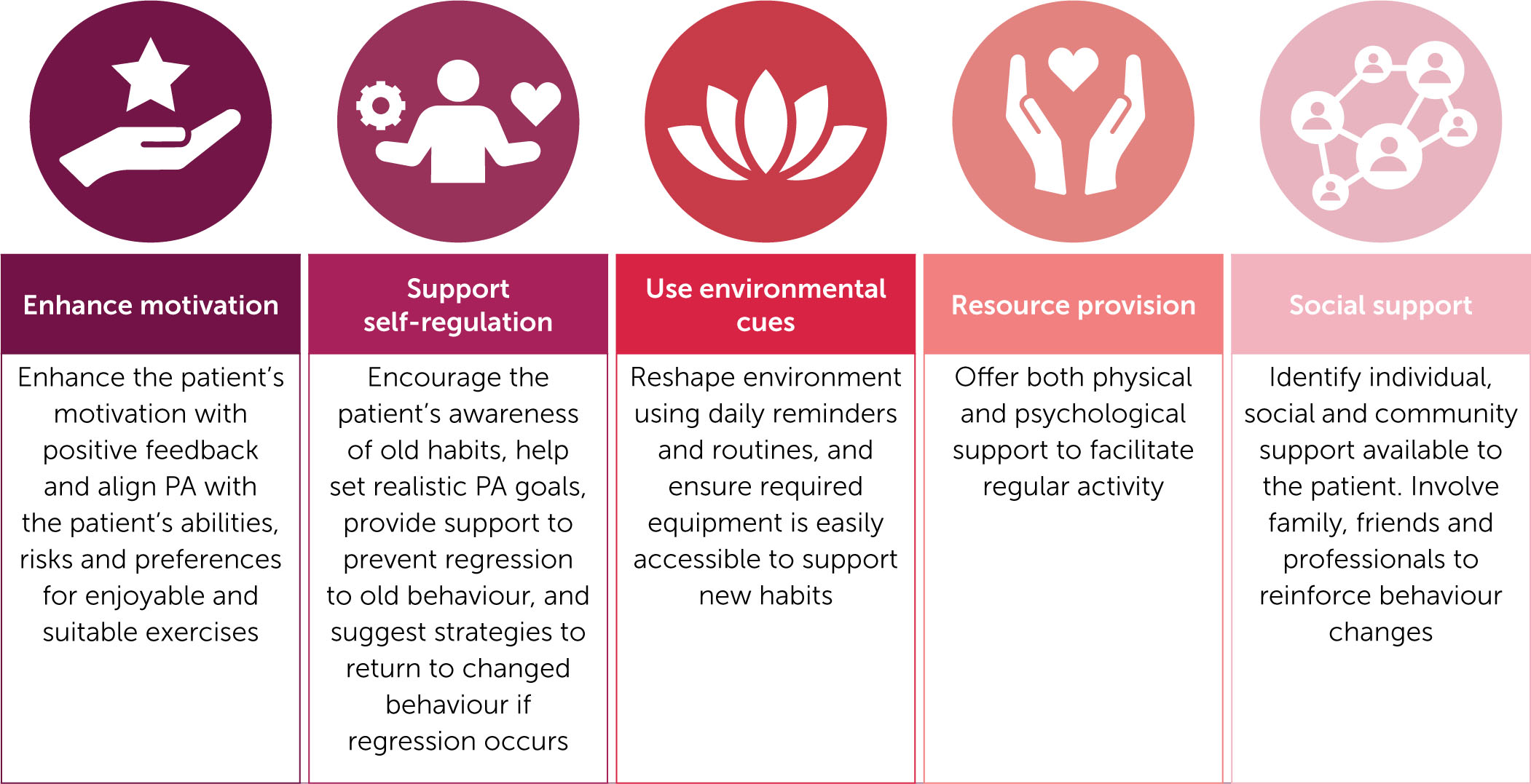
The HTC comprehensive care team plays an essential role in promoting and maintaining a physically active lifestyle for PwH. Blokzijl et al (2021) have adapted previously established factors regarding behavioural change for application by the HTC team in clinical care for PwH [34], as presented in Figure 2. The achievement of PA goals can be assessed during consultations between the HTC comprehensive care team and the patient, and can also be monitored by patients and their caregivers independently using a variety of available methods and tools.

Figure 2.

Behavioural change techniques to encourage maintenance of physical activity in PwH

Content adapted from Blokzijl J, et al. Res Pract Thromb Haemost 2021;5(8):e12639 [34].

Abbreviations: PA, physical activity, PwH, persons with haemophilia.
graphic/j_jhp-2025-0020_fig_002.jpg

THE ROLE OF WEARABLE TECHNOLOGIES IN HAEMOPHILIA AND PHYSICAL ACTIVITY

Wearable digital technologies have revolutionised PA monitoring by individuals and healthcare professionals (HCPs). These technologies offer a convenient, affordable, and widely accessible means to capture diverse health information in real time. Despite caveats including a lack of validation and regulatory oversight, data reliability issues, security and privacy issues, and data misinterpretation [37], the information obtained from wearable technologies has the potential to inform shared decision-making [38,39,40]. Further, these technologies can help support behavioural modification and increase patient engagement in PA through push notifications, community support, accountability from other users, and gamification [37].

Several studies have shown that wearable technologies have a role in monitoring PA and improving physical health in PwH [1,38,41,42,43]. Prospective observational studies using commercial wearable activity trackers among European patients with moderate-to-severe haemophilia A without inhibitors have shown low rates and intensity of PA, and high rates of sedentary behaviour associated with increased bleeding frequency [1,42]. In a prospective observational study conducted in Spanish adults with severe haemophilia on prophylaxis, approximately 60% of patients met a 10,000-step daily goal at baseline and one-year follow-up, and statistically significant improvements from baseline were observed in daily moderate-intensity activity time and the A36 Hemophilia-QoL Questionnaire physical health domain [43]. Wearable activity trackers have also been paired with haemophilia treatment-monitoring applications to concurrently track injections, factor supply, and bleeds [41]. Overall, findings to date suggest a role for wearable activity trackers in helping patients to self-monitor and improve their PA.

MINIMUM AND IDEAL FACTOR LEVELS FOR PARTICIPATION IN PHYSICAL ACTIVITY

CASE EXAMPLE POINT 3

To personalise the patient’s prophylaxis regimen, he undergoes a pharmacokinetic study of his EHL FVIII concentrate. His results show a peak factor level of 80% post-infusion of 40 IU/kg and a half-life of 16 hours. Based on these findings, he adjusts his infusion schedule, administering factor immediately before soccer matches to maximise protection and tailoring doses to sustain adequate coverage for weightlifting sessions. On average, he requires five infusions per week to maintain his desired level of PA.

Maintaining factor levels above 1% can significantly reduce the risk of spontaneous bleeding and arthropathy [44], with an estimated 18% reduction in risk of bleeding for each 1% increase in factor level [45]. However, target factor levels must be tailored to meet an individual’s unique needs, including PA levels [7,44]. In children and adolescent PwH who engage in moderate-to-high risk PA on a weekly basis, bleeding risk could be reduced by up to 2% for every 1% increase in factor level [46]. There can be considerable inter- and intra-individual heterogeneity in minimum factor levels required during PA depending on the frequency and intensity of participation on any given day [13,44], and a standard prophylaxis regimen may not offer adequate protection for all PwH at all times [23].

There is emerging real-world evidence on factor levels and bleeding risk in PwH during participation in various types and intensity of PA (Table 3). In a study of PwHA (moderate or severe), factor VIII (FVIII) levels at the start of PA were ≤15% in nearly half of PA sessions, and ≤3% in about one in eight sessions; however, factor levels were greater when higher-risk PA were performed, suggesting that PwH adjust their prophylaxis based on the type and intensity of PA [25]. In another study of individuals with mostly haemophilia A (90%; 48% severe), the only significant predictor of a bleeding event during PA was factor level at the time of injury, independent of age, joint health, risk or intensity of PA, haemophilia severity, and ABR [22]. Bukkems et al (2023) also found that factor level was the main risk factor for bleeding during PA in PwHA of any severity, with factor levels of 3.1% and 28.0% reducing ABR by 50% and 90%, respectively [21]. This study found that ABR before study inclusion, preexisting arthropathy, and haemophilia severity were independent predictors of bleeds during PA, whereas frequency and intensity of PA were not associated with bleeding hazard. A pharmacokinetic (PK)-based computer simulation estimated minimum FVIII levels for bleeding prevention across six different types and risk of PA in PwHA (severe) [47]. A minimum FVIII level of 8–12% was associated with a 37% reduction in bleeding risk compared to a target of 1–3%. In a study of paediatric PwHA (moderate or severe), minimum FVIII trough levels to prevent PA-induced bleeds were 3.8% for low-risk PA and 7.7% for medium-risk PA [48]. Multivariate regression showed that both FVIII levels during PA and activity risk level were independently associated with bleeding. In a prospective, 6-month observational study in PwHA (moderate or severe), PA-related bleeding events increased with intensity of PA, but there was no significant association between PA-related bleeds and time since the last FVIII infusion [49]. Although factor levels vary widely across these real-world studies, higher factor levels were consistently associated with stronger protection against PA-related bleeds.

Table 3.

Factor levels and risk of bleeding events during PA in PwH: Evidence from real-world studies

AUTHOR STUDY DESCRIPTION PHYSICAL ACTIVITY FACTOR LEVELS/TIMING OF INFUSION INCIDENCE OF PA-INDUCED BLEEDING
Tomschi et al. (2024) [25] Prospective, 12-month, observational study in PwHA (moderate to severe) aged ≥16 years N=23 1,011 PA sessions categorised by NBDF risk levels:
  • 795 Cat I

  • 193 Cat II

  • 23 Cat III

Measured at start of PA:
  • 29.8% Cat I

  • 38.3% Cat II

  • 86.6% Cat III

3 events:
  • 2 knee hemarthroses during fitness training; FVIII levels ~1% at start of PA

  • 1 knee hemarthrosis during alpine ski fall; FVIII levels ~55% at start of PA

Versloot et al. (2023) [21] Single-centre, prospective, 12-month study in PwH (mild to severe) aged 6–49 years without inhibitors N=125 15,999 PA sessions 59% of PwH engaged in high-risk sports (according to NBDF risk levels) and 20% high-intensity (>6 METs) 6% at time of injury with SIB vs. 12.3% without SIB (p<0.03) 26 events:
  • 14 (54%) during high-risk sports

  • 6 (23%) during high-intensity sports

Bukkems et al. (2023) [21] Single-centre, prospective, 12-month observational study in PwHA (mild to severe) aged 7–50 years N=112 14,162 PA sessions 5.9% (range 0–20) during SIB vs. 11.0% (range 0–95) without SIB 20 events (not described in detail)
Konkle et al. (2021) [49]
  • Multicentre, prospective, 6-month observational study in PwHA (moderate to severe) aged 11–58 years

  • N=54

Participation in PA sessions according to NBDF risk levels:
  • 75.5% low

  • 9.8% low-to-moderate

  • 18.8% moderate

  • 6.6% moderate-to-high

  • 3.9% high

Time between infusion and start of PA:
  • 64.7% >24 hours

  • 27.8% 1–2 days

  • 37.3% 3–4 days

  • 9.6% ≥5 days

75 events (not described in detail) Mean SIB events per PwH:
  • 1.26 (prophylaxis patients)

  • 2.29 (on-demand patients)

Ai et al. (2022) [48]
  • Single-centre, retrospective cohort study in paediatric PwHA (moderate or severe) aged 3–15 years

  • N=105

373 PA sessions categorised by NBDF risk levels:
  • 57.6% low

  • 42.4% medium

  • 0% high

373 PA sessions Median trough levels:
  • 6.1% for low-risk PA

  • 9.1% for medium-risk

  • 2.7% during low-risk SIB

  • 3.4% during medium-risk SIB

34 events in 19 patients:
  • 23 ankle

  • 9 knee

  • 2 elbow

[i] Abbreviations: MET, metabolic equivalent of task; NBDF, National Bleeding Disorders Foundation; PA, physical activity; PwH, persons with haemophilia; SIB, sport/physical activity-induced bleed.

A real-world study suggests that low-dose, PK-guided EHL-FVIII prophylaxis to individualise factor levels allowed for improved bleeding prevention while meeting PA goals in PwHA (moderate or severe) [50]. After six months, there were significant reductions in ABR and annualised joint bleeding rates, while muscle mass, joint health, and QoL scores improved. Nearly half of patients (n=6/13) had zero joint bleeds despite more than three-quarters (n=10/13) having target joints at baseline. Total FVIII consumption was significantly reduced by 24%, mainly due to a reduction in on-demand treatment for breakthrough bleeds.

Efanesoctocog alfa, a novel EHL FVIII replacement therapy that maintains factor FVIII levels >10% with once-weekly dosing, has demonstrated efficacy in reducing ABR and may improve physical and joint health. In the Phase III XTEND-1 trial, 133 patients with severe haemophilia A aged ≥12 years were assigned to receive once-weekly efanesoctocog alfa prophylaxis for 52 weeks (group A) and 26 patients received on-demand treatment with efanesoctocog alfa for 26 weeks followed by once-weekly prophylaxis for 26 weeks (group B) [51]. In an analysis of group A participants, there were significant improvements from baseline to Week 52 in PROs assessing physical health, mobility, and ability to perform usual activities, and reductions in joint pain. During exit interviews that were completed by a subset of 29 participants (n=17 in group A; n=12 in group B), 75–89% subjectively endorsed improvements across multiple areas of QoL [52]. Although this study did not prospectively assess objective PA outcomes, these observations suggest that efanesoctocog alfa may enhance participants’ confidence in engaging in PA, providing indirect evidence for the physical function benefits of maintaining FVIII levels >10%.

How this evidence translates to clinical practice remains incompletely understood and there is lack of clear consensus on minimal factor levels to target for PwH to safely engage in PA [24]. To address this gap, Martin et al (2020) [23] conducted an expert elicitation study on minimally acceptable and ideal factor levels to avoid bleeds during participation in different types of PA according to NBDF categories of risk [13]. Unsurprisingly, minimum and ideal factor levels increased with higher-risk types of PA [23]. For PwH without preexisting joint morbidity, minimum factor levels ranged from 4% for low-risk activities to 38% for high-risk activities and ideal levels ranged from 9% to 52%, respectively. Target factor levels were slightly higher for PwH with joint morbidity, with minimum levels ranging from 7% for low-risk activities to 47% for high-risk activities and ideal levels ranging from 12% to 64%, respectively. Although this provides some guidance to clinicians, there are inherent difficulties in recommending discrete factor levels for specific types of PA given heterogeneity in individual skill, level and intensity of competition, musculoskeletal health, and bleeding phenotype [53]. There remains a need for more prospective evidence on minimal and ideal factor levels as they relate to an individual’s PK profile, type and intensity of the PA, infusion timing, and other patient-attributable risk factors for bleeding [23,24]. Overall, it seems reasonable to encourage PwH on CFC prophylaxis to time peak factor levels with participation in PA.

A caveat to the evidence regarding peak and trough factor levels for participation in various types of PA is applicability to individuals with non-severe haemophilia. The overall approach could likely be extended to this population, with an emphasis on individualised care and shared decision-making. However, individuals with severe haemophilia are typically on some form of prophylaxis and have learned to self-infuse CFCs, whereas those with non-severe disease may not be on prophylaxis and often manage bleeding with on-demand treatment, which may or may not include CFCs. For these individuals, additional resources and education may be required to help facilitate more physically active lifestyles, including teaching proper infusion of CFCs and/or initiating prophylaxis. Further, depending on an individual’s factor levels, they may not be able to access some therapies based on the approved indication and reimbursement requirements in their country/region (or specific provider policies for private coverage), further complicating guidance for appropriate levels for participation in PA.

PHYSICAL ACTIVITY AND NOVEL HAEMOPHILIA THERAPIES

CASE EXAMPLE POINT 4

Three years after the patient’s EHL FVIII concentrate infusion schedule adjustments, he transitions to emicizumab prophylaxis, reducing his infusion burden while maintaining excellent bleed protection. With this regimen, he continues soccer and weightlifting and, through shared decision-making with his HTC team, incorporates outdoor rock climbing into his routine. His HTC team emphasises ongoing joint health monitoring and provides guidance on participation in higher-risk activities. To ensure his musculoskeletal needs are adequately addressed, he meets regularly with his HTC team, including physiotherapists and haematologists, to assess joint function, optimise his treatment plan, and incorporate strategies for injury prevention and long-term joint health.

Table 4.

Studies evaluating the impact of non-factor and gene therapies on PA-related outcomes in PwH

AUTHOR STUDY DESCRIPTION PA-RELATED OUTCOMES
Emicizumab
Shima et al. (2019) [64] Multicentre, open-label, Phase III HOHOEMI study in Japanese paediatric PwHA (severe) aged <12 years on emicizumab N=13
  • Increase in number of patients and time (in minutes/week) engaging in moderate- and high-risk PA starting after first week of treatment initiation

Hermans et al. (2022) [59] Multicentre, single-arm, open-label, Phase III HAVEN 6 trial in PwHA (mild or moderate) aged 2–71 years followed for median of 55.6 weeks N=73
  • Baseline PA levels were comparable to the general population and remained stable through Week 49

Astermark et al. (2025) [57] Interventional, multicentre, single-arm, open-label HemiNorth 2 trial in PwHA (severe) aged 12–60 years followed for a mean of 51.1 weeks N=28
  • PA parameters remained stable after switching from FVIII prophylaxis (Week 24) to end of study (Week 49) including time spent in PA, daily step counts, and METs

  • The proportion of patients with zero PA-related bleeds increased from 39.3% with FVIII prophylaxis to 75.0% with emicizumab

Warren et al. (2020) [66]
  • Single-centre, retrospective chart review in PwHA (mild to severe) aged 0–80 years initiating emicizumab

  • N=68

  • 55% of participants reported an increase in PA levels, 45% similar rates

  • 25% reported trying new types of PA ranging from walking more to lifting weights or playing dodge ball

Nogami et al. (2024) [61]
  • Interim analysis of the multicentre, prospective, observational study, TSUBASA, in PwHA (moderate or severe) aged 0–73 years

  • N=107

  • 396 PA sessions reported, most commonly walking (32.4%), cycling (14.9%), and soccer (5.4%)

  • Two PA-related bleeds (0.5%) reported in one participant secondary to running and weight training

Concizumab
Villarreal et al. (2022) [88]
  • Exploratory analysis of the multicentre, randomised, open-label, Phase III explorer7 trial in PwHA/B with inhibitors (any severity) aged ≥12 years

  • N=52

  • Changes in percentage of awake time spent in moderate and moderate-to-vigorous PA from baseline to end of main part of trial favoured concizumab (estimated difference versus no prophylaxis: 4.2% for moderate PA, 4.4% for moderate-to-vigorous PA)

  • One patient (7.7%) in the concizumab group participated in each of low-to-moderate, moderate, and moderate-to-high-risk sports at end of main part of trial; one patient (9.1%) in the no prophylaxis group participated in low-to-moderate-risk sports (none in moderate or moderate-to-high-risk sports)

Jiménez-Yuste et al. 2024 [89] Exploratory analysis of the multicentre, randomised, open-label, Phase III explorer7 (PwHA/B with inhibitors [any severity] aged ≥12 years) and explorer8 (PwHA/B without inhibitors [severe] aged ≥12 years) trials N=68 (27 from explorer7, 41 from explorer8)
  • Changes in percentage of awake time spent in moderate and moderate-to-vigorous PA from baseline to end of main part of trial favoured concizumab (estimated difference versus no prophylaxis: 4.2% for moderate PA, 4.4% for moderate-to-vigorous PA) for PwH/A with inhibitors, but there was no significant difference for patients without inhibitors (estimated difference versus no prophylaxis: 1.3% for moderate PA, 0.8% for moderate-to-vigorous PA)

Fidanacogene elaparvovec
von Mackenson et al. (2023) [95] Descriptive long-term follow-up analysis of the open-label, non-randomised, dose-escalation study of fidanacogene elaparvovec in PwHB (moderate-to-severe) N=14
  • Between Weeks 52 and 156, 86–100% of patients reported doing the same or higher-intensity PA than at baseline

  • At Week 156, no patients reported a reduction in PA amount or intensity relative to baseline

[i] Note: Only non-factor therapies with PA data available are included in this table.

[ii] Abbreviations: CATCH, Comprehensive Assessment Tool for Challenges in Hemophilia; FVIII, Factor VIII; Haem-A-QoL, Haemophilia-Specific Quality of Life Questionnaire for Adults; HRQoL, health-related quality of life; METs, metabolic equivalents; NR, not reported; PA, physical activity; PwHA/B, persons with haemophilia A or B.

The introduction of factor-mimetic therapies (e.g., emicizumab), rebalancing therapies (concizumab, marstacimab, and fitusiran), and gene therapies (e.g., valoctocogene roxaparvovec and etranacogene dezaparvovec) over the last decade has dramatically changed the haemophilia treatment landscape in regions where they have been approved [54]. Emicizumab was first approved by regulatory agencies in 2018 and has since been broadly used in routine clinical practice in many regions [55,56], allowing for accrual of data from both clinical trials and real-world practice [57,58,59,60,61,62,63,64,65,66,67], including its impact on PA [57,58,59,61,64,66]. Although the efficacy, safety profile, and effects on health-related QoL (HRQoL) in PwH have been reported for novel rebalancing agents and gene therapies in Phase III clinical trials [68,69,70,71,72,73,74,75,76,77,78,79,80,81,82,83,84,85], they have either recently entered routine clinical practice or are not yet being used, limiting the opportunity to assess real-world outcomes associated with these agents. Their impact on PA remains incompletely characterised, with limited or no data on objective PA outcomes available for some of these novel agents.

Emicizumab is a monoclonal bispecific antibody directed against factor IXa and factor X, which mimics the co-factor function of activated FVIII and thereby improves thrombin generation capacity and haemostasis [86]. As a prophylaxis strategy in PwH, it differs from FVIII prophylaxis by its linear PK with peak plasma concentrations achieved in 1–2 weeks and a half-life of approximately 30 days, as opposed to the peaks and troughs with CFCs. Evidence exploring the impact of emicizumab prophylaxis on PA-related bleed rates in PwH is accumulating, with data supporting safe participation in PA among PwH (Table 4). Overall, PwHA (severe) in Phase III studies had clinically meaningful improvements in physical health and overall HRQoL after initiating emicizumab that were maintained over time [65], and participation rates in moderate- to high-risk PA were stable or increased [59,64]. The HemiNorth 2 interventional study (EudraCT 2020-003256-32) also provides evidence supporting the efficacy and safety of emicizumab in physically active PwHA (severe) [57]. Twenty-eight participants aged 12–60 years who completed at least 24 weeks on FVIII prophylaxis in the noninterventional HemiNorth study were switched to emicizumab at the standard label dose for 48 weeks. At Week 49 after switching to emicizumab, HRQoL, PA participation, and joint health outcomes remained stable, while the proportion of patients experiencing zero bleeds increased. Intra-participant comparisons of PA using an activity tracker showed that mean daily step counts, time spent in PA (light, moderate, and vigorous), and sum of METs were maintained between baseline (Weeks 17–24 of the HemiNorth noninterventional study period) and Weeks 41–48 after switching to emicizumab (HemiNorth 2 study period).

These observations are corroborated by real-world evidence showing that 55% of PwH increased their participation in PA and 25% engaged in new types of sports after initiating emicizumab (Table 4)[66]. This suggests that emicizumab could expand health equity in PwH by allowing them to achieve similar PA participation rates as the general population. When PA-related muscle bleeds occur in PwHA on emicizumab prophylaxis, they generally have a slower onset and present more like bleeds in patients with mild haemophilia that resolve within 24 hours with 1–2 doses of CFC [87]. Nonetheless, muscle bleeds can be severe, may have delayed presentation, and may require prolonged management with CFCs; therefore, clinicians and patients should be aware of the need for prompt recognition and treatment.

The real-world, multicentre, observational TSUBASA study prospectively investigated the incidence of PA-related bleeds during treatment with emicizumab [61]. In the final analysis, 129 PwHA (moderate or severe) initiating emicizumab prophylaxis were followed for 97 weeks, and 73 participants logged 968 PA sessions (mostly low-risk activities such as walking or calisthenics) [58]. There were two PA-related bleeding events (0.2% of PA sessions), one associated with basketball and one with fishing. These observations suggest that fixed-dose emicizumab prophylaxis offers adequate protection against bleeding events in PwH during PA, similar to that offered by CFC prophylaxis [21,22,25,58,61].

The impacts of novel rebalancing therapies and gene therapies on PA intensity, type, and frequency among PwH are less clear, as they were introduced more recently than emicizumab and there is no PA-related evidence from real-world studies in routine clinical practice. The Phase III explorer7 and explorer8 trials assessed the efficacy and safety of once-daily concizumab prophylaxis compared with no prophylaxis in PwHA/B with (explorer7) and without (explorer8) inhibitors [74,88], and PA outcomes were assessed in two exploratory analyses (Table 4)[88,89]. Changes in percentage of awake time spent in moderate and moderate-to-vigorous PA from baseline to the end of the main part of the trial favoured concizumab compared with no prophylaxis in PwHA/B with inhibitors, but there were no differences between groups in PwHA/B without inhibitors. By Week 24 of both trials, estimated treatment differences in PROs assessing HRQoL, total health, physical health, and/or sport and leisure favoured concizumab compared with no prophylaxis [69,81].

Phase III trials assessing fitusiran (ATLAS-PPX, ATLAS-INH, ATLAS-A/B, and ATLAS-OLE), marstacimab (BASIS), valoctocogene roxaparvovec (GENEr8-1 and GENEr8-3), and etranacogene dezaparvovec (HOPE-B) in PwH have shown positive effects of these treatments on PROs assessing HRQoL, physical function, and total and physical health [68,70,72,75,76,77,78,79,83,84,85,90,91,92,93]. These findings could indicate an increase in patients’ confidence and ability to participate in different activities; however, no data for objective PA outcomes in these studies were identified. The only haemophilia gene therapy for which PA data were identified is fidanacogene elaparvovec, which obtained regulatory approval in several regions but is no longer being commercialised [94]. In a descriptive analysis of a Phase I/II trial in 14 PwHB treated with fidanacogene elaparvovec and enrolled in a long-term follow-up study, 86–100% of patients reported doing the same or higher-intensity PA at Weeks 52–156 than at baseline (Table 4)[95]. No patients reported a reduction in the amount of time spent engaging in PA or in the intensity of PA at Week 156 relative to baseline. No other analyses specifically assessing PA in PwH treated with novel therapies were identified.

The results of ongoing studies investigating non-factor therapies and PA are eagerly anticipated, examples of which include the Beyond ABR Phase IV study (NCT05181618) and STEP observational study (NCT05022459) of emicizumab. Additional studies assessing objective PA outcomes among PwH receiving recently introduced therapies as well as next-generation factor mimetics (e.g., Mim8 and NXT007) are also awaited.

CONCLUSIONS AND FUTURE DIRECTIONS

Regular age- and risk-appropriate PA is an effective and inexpensive way to mitigate chronic health conditions in PwH [3,8,12,18], and it may improve musculoskeletal health and reduce bleeding rates [7,26]. With the advent of new therapeutic modalities including factor half-life extension, factor mimetics, rebalancing agents, and gene and cellular therapies, many PwH are increasingly engaging in PA across a range of intensity and risk levels [8]. Evidence to date suggests that PwH can safety participate in PA of various types and intensity as long as they have sufficiently protective prophylaxis regimens [22,23], although additional factors such as patient age, functional ability, pain and fatigue levels, and extent of existing joint damage/disease should be considered and still warrant further investigation [5,16,17,18,20]. Nonetheless, there is a need to expand beyond bleed rates alone to measure the adequacy of prophylaxis, as haemostatic potential is only one component of facilitating PA in PwH. Shared decision-making between PwH, caregivers, and HTC comprehensive care teams should continue to be emphasised to integrate haemostatic potential within a broader framework that includes individual patient goals, preferences, and bleeding phenotype.

Despite the benefits of prophylaxis discussed herein, predominantly in the context of facilitating engagement in PA, there are limitations and evidence gaps associated with their use. The long-term effects of prophylaxis remain incompletely characterised, making it difficult to predict lifetime risks and outcomes for PwH [96]. This emphasises the need for ongoing assessment and personalised care for PwH on prophylaxis [97]. In addition, prophylaxis accounts for the majority of total health care costs among PwH regardless of the treatment regimen (FVIII replacement concentrates, bypassing agents, or non-factor therapies), and costs increase with the intensity of treatment and haemophilia severity [98].

Prophylaxis has become the standard of care for PwH in Canada and globally [5,54,56], and emicizumab is the most widely adopted non-factor therapy for PwH in developed countries to date [15,54,56]. Nonetheless, there are notable global disparities in access to comprehensive haemophilia care [99,100,101]. For PwH in lowand middle-income countries, access to prophylaxis, pain management strategies, disease education, and support systems (e.g., haematologists, physiotherapists, social workers, and psychologists) is often limited due to a lack of availability and prohibitive costs, leaving on-demand treatment as the only option for many patients [100]. Although initiatives such as the WFH Humanitarian Aid Program have helped to reduce this gap by providing support and donating treatments to thousands of patients in low- and middle-income countries [56,102,103], disparities in access remain. Separately, individuals in high-income countries may not always have consistent access to comprehensive haemophilia care [104,105], and specialised physiotherapy services for persons with bleeding disorders are often limited in availability or highly variable in practice [104,106]. Collectively, adopting a multifaceted approach that supports international collaboration, integration of digital health and telehealth technologies, specialised healthcare services, and advocacy groups could address inequities in care among PwH [100].

There is also a need for more objective and holistic assessments of PA in clinical research and real-world practice settings. Although PROs currently used to assess HRQoL in PwH include physical health or functioning domains, they do not capture true PA levels. More specific assessments of PA to help guide treatment decision-making could include: patient-reported type, intensity, and frequency of PA, as well as barriers to and facilitators of PA; use of wearable activity monitors; comprehensive joint health assessments; psychosocial impact of haemophilia treatment and PA (e.g., self-efficacy, mental health, and social engagement); pain and fatigue tracking; and functional mobility tests. Further, the improvements in haemophilia management that have allowed PwH to participate in PA to the same extent as individuals without haemophilia warrants a shift away from haemophilia-specific measures of physical health towards those used in healthy individuals, albeit with consideration of the compounding impact of increased age on functional capacity and frailty among PwH compared with the general age-matched population. Although various PA-related outcomes are being used in clinical trials, the lack of consistency presents a challenge for indirect comparisons between studies and across novel treatments. Standardisation of PA-related outcome collection across trials and development of a core outcome set for PA are important goals, particularly given the lack of available PA data for many novel therapies. Overall, as the therapeutic landscape and evidence base continue to evolve, so too must PA recommendations in PwH, shifting toward personalised guidance that reflects both individual haemostatic protection and functional goals. HTCs will continue to play a critical role in this evolution, supporting PwH in safely achieving their PA aspirations.

ACKNOWLEDGEMENTS

Notes

[8] Financial disclosure Funding

Funding for this review was provided Hoffmann-La Roche Ltd.

[9] Conflicts of interest Conflict of interest

KU has received educational grants from CSL Behring, Roche, and Novo Nordisk, research funding from Bayer and Pfizer, consultancy fees from Bayer, Biocryst Pharmaceuticals, Novo Nordisk, Roche, Sanofi, and Takeda, speaker fees from Bayer, CSL Behring, Octapharma, Pfizer, Roche, Sanofi, and Takeda, and travel support from Novo Nordisk, Octapharma, Roche and Sanofi. JB has received speaker fees from Sanofi and Roche, consultancy fees from Novo Nordisk and Roche, travel support from Novo Nordisk and Roche, project support from Roche, and mentorship support from Novo Nordisk. SvG and MA are employees of Hoffmann-La Roche Ltd and may have stock options. GB has received speaker fees from Novo Nordisk, Roche, and Bayer, consultancy fees from Novo Nordisk, Sanofi, Roche, and Bayer, as well as project and travel support from Roche, Novo Nordisk, and Bayer.

[10] Contributed by Contributions

All authors were responsible for review conceptualisation. KU, JB, and GB conducted the literature reviews and data analysis. The concept for this review was derived from a Canadian learning program supported by funding from Hoffmann-La Roche Ltd.

Medical writing assistance for this manuscript was provided by Ari Mendell and Kate Nicholson of Compass Leaf Medical Communications Inc, and Christina Clark of CC Medical Writing Inc. This support was funded by Hoffmann-La Roche Ltd.

REFERENCES

1. 

Mancuso ME, Biasoli C, Marino R, et al. Physical activity, bleedings and quality of life in subjects with haemophilia A without inhibitors – A multicenter, observational italian study with a wearable device. J Clin Med 2024; 13(11): 3036. doi: 10.3390/jcm13113036.

ME MancusoC BiasoliR MarinoPhysical activity, bleedings and quality of life in subjects with haemophilia A without inhibitors – A multicenter, observational italian study with a wearable deviceJ Clin Med20241311303610.3390/jcm13113036

2. 

Ransmann P, Brühl M, Hmida J, et al. Physical activity and handgrip strength in patients with mild, moderate and severe haemophilia: Impacts on bone quality and lean mass. PLoS One 2025; 20(3): e0319951. doi: 10.1371/journal.pone.0319951.

P RansmannM BrühlJ HmidaPhysical activity and handgrip strength in patients with mild, moderate and severe haemophilia: Impacts on bone quality and lean massPLoS One2025203e031995110.1371/journal.pone.0319951

3. 

Goto M, Takedani H, Yokota K, Haga N. Strategies to encourage physical activity in patients with hemophilia to improve quality of life. J Blood Med 2016; 7: 85–98. doi: 10.2147/JBM.S84848.

M GotoH TakedaniK YokotaN HagaStrategies to encourage physical activity in patients with hemophilia to improve quality of lifeJ Blood Med20167859810.2147/JBM.S84848

4. 

Negrier C, Seuser A, Forsyth A, et al. The benefits of exercise for patients with haemophilia and recommendations for safe and effective physical activity. Haemophilia 2013; 19(4): 487–98. doi: 10.1111/hae.12118.

C NegrierA SeuserA ForsythThe benefits of exercise for patients with haemophilia and recommendations for safe and effective physical activityHaemophilia20131944879810.1111/hae.12118

5. 

Srivastava A, Santagostino E, Dougall A, et al. WFH Guidelines for the Management of Hemophilia, 3rd edition. Haemophilia 2020; 26 Suppl 6: 1–158. doi: 10.1111/hae.14046.

A SrivastavaE SantagostinoA DougallWFH Guidelines for the Management of Hemophilia, 3rd editionHaemophilia202026 Suppl 6115810.1111/hae.14046

6. 

Kahan S, Cuker A, Kushner RF, et al. Prevalence and impact of obesity in people with haemophilia: Review of literature and expert discussion around implementing weight management guidelines. Haemophilia 2017; 23(6): 812–20. doi: 10.1111/hae.13291.

S KahanA CukerRF KushnerPrevalence and impact of obesity in people with haemophilia: Review of literature and expert discussion around implementing weight management guidelinesHaemophilia20172368122010.1111/hae.13291

7. 

Biasoli C, Baldacci E, Coppola A, et al. Promoting physical activity in people with haemophilia: the MEMO (Movement for persons with haEMOphilia) expert consensus project. Blood Transfus 2022; 20(1): 66–77. doi: 10.2450/2021.0138-21.

C BiasoliE BaldacciA CoppolaPromoting physical activity in people with haemophilia: the MEMO (Movement for persons with haEMOphilia) expert consensus projectBlood Transfus2022201667710.2450/2021.0138-21

8. 

Kennedy M, O'Gorman P, Monaghan A, et al. A systematic review of physical activity in people with haemophilia and its relationship with bleeding phenotype and treatment regimen. Haemophilia 2021; 27(4): 544–62. doi: 10.1111/hae.14282.

M KennedyP O'GormanA MonaghanA systematic review of physical activity in people with haemophilia and its relationship with bleeding phenotype and treatment regimenHaemophilia20212745446210.1111/hae.14282

9. 

Cotino C, Pérez-Alenda S, Cruz-Montecinos C, et al. Barriers and facilitators of physical activity in adults with severe haemophilia: A qualitative study. Haemophilia 2023; 29(5): 1334–42. doi: 10.1111/hae.14828.

C CotinoS Pérez-AlendaC Cruz-MontecinosBarriers and facilitators of physical activity in adults with severe haemophilia: A qualitative studyHaemophilia202329513344210.1111/hae.14828

10. 

Cecchini C, Creighton K, Hann A, et al. Destination fitness 2nd edition [Internet]. Canadian Hemophilia Society; 2012. Available from https://www.hemophilia.ca/files/Destination%20 fitness%20-%20FINAL.pdf (accessed March 2025).

C CecchiniK CreightonA HannDestination fitness2nd edition[Internet]Canadian Hemophilia Society2012Available from https://www.hemophilia.ca/files/Destination%20 fitness%20-%20FINAL.pdf (accessed March 2025)

11. 

Zourikian N, Jarock C, Mulder K. All About Hemophilia: A Guide for Families Chapter 12-Physical Activity, Exercise and Sports, 2nd edition [Internet]. Canadian Hemophilia Society; 2012. Available from https://www.hemophilia.ca/files/Chapter%2012.pdf (accessed April 2025).

N ZourikianC JarockK MulderAll About Hemophilia: A Guide for Families Chapter 12-Physical Activity, Exercise and Sports2nd edition[Internet]Canadian Hemophilia Society2012Available from https://www.hemophilia.ca/files/Chapter%2012.pdf (accessed April 2025)

12. 

Anderson A, Forsyth A. Playing it safe: Bleeding disorders, sports, and exercise [Internet]. National Hemophilia Foundation; 2005. Available from https://www.hemophilia.ca/files/PlayingItSafe.pdf (accessed March 2025).

A AndersonA ForsythPlaying it safe: Bleeding disorders, sports, and exercise [Internet]National Hemophilia Foundation2005Available from https://www.hemophilia.ca/files/PlayingItSafe.pdf (accessed March 2025)

13. 

Anderson A, Forsyth A. Playing it safe: Bleeding disorders, sports, and exercise [Internet]. National Hemophilia Foundation; 2017. Available from https://www.bleeding.org/sites/default/files/document/files/playing-it-safe_0.pdf (accessed April 2025).

A AndersonA ForsythPlaying it safe: Bleeding disorders, sports, and exercise [Internet]National Hemophilia Foundation2017Available from https://www.bleeding.org/sites/default/files/document/files/playing-it-safe_0.pdf (accessed April 2025)

14. 

Fong E, Brooks J, Jones C, et al. In the Driver's seat [Internet]. Canadian Hemophilia Society; 2012. Available from https://www.hemophilia.ca/edmat-physical-activity-and-sports/ (accessed April 2025).

E FongJ BrooksC JonesIn the Driver's seat [Internet]Canadian Hemophilia Society2012Available from https://www.hemophilia.ca/edmat-physical-activity-and-sports/ (accessed April 2025)

15. 

Mancuso ME, Croteau SE, Klamroth R. Benefits and risks of non-factor therapies: Redefining haemophilia treatment goals in the era of new technologies. Haemophilia 2024; 30 Suppl 3: 39–44. doi: 10.1111/hae.14976.

ME MancusoSE CroteauR KlamrothBenefits and risks of non-factor therapies: Redefining haemophilia treatment goals in the era of new technologiesHaemophilia202430 Suppl 3394410.1111/hae.14976

16. 

McLaughlin P, Hurley M, Chowdary P, Stephensen D, Khair K. The experiences and beliefs of people with severe haemophilia and healthcare professionals on pain management, and their views of using exercise as an aspect of intervention: a qualitative study. Disabil Rehabil 2022; 44(26): 8420–8. doi: 10.1080/09638288.2021.2018054.

P McLaughlinM HurleyP ChowdaryD StephensenK KhairThe experiences and beliefs of people with severe haemophilia and healthcare professionals on pain management, and their views of using exercise as an aspect of intervention: a qualitative studyDisabil Rehabil202244268420810.1080/09638288.2021.2018054

17. 

McLaughlin P, Hurley M, Chowdary P, Stephensen D, Khair K. How does a lifetime of painful experiences influence sensations and beliefs about pain in adults with severe haemophilia? A qualitative study. Disabil Rehabil 2022; 44(26): 8412–9. doi: 10.1080/09638288.2021.2018053.

P McLaughlinM HurleyP ChowdaryD StephensenK KhairHow does a lifetime of painful experiences influence sensations and beliefs about pain in adults with severe haemophilia? A qualitative studyDisabil Rehabil202244268412910.1080/09638288.2021.2018053

18. 

Matlary RED, Grinda N, Sayers F, Versloot O, McLaughlin P. Promoting physical activity for people with haemophilia in the age of new treatments. Haemophilia 2022; 28(6): 885–90. doi: 10.1111/hae.14641.

RED MatlaryN GrindaF SayersO VerslootP McLaughlinPromoting physical activity for people with haemophilia in the age of new treatmentsHaemophilia20222868859010.1111/hae.14641

19. 

Stephensen D, Rodriguez-Merchan EC. Orthopaedic comorbidities in the elderly haemophilia population: a review. Haemophilia 2013; 19(2): 166–73. doi: 10.1111/hae.12006.

D StephensenEC Rodriguez-MerchanOrthopaedic comorbidities in the elderly haemophilia population: a reviewHaemophilia20131921667310.1111/hae.12006

20. 

Taylor S, Toye F, Donovan-Hall M, Barker K. Past the tipping point: a qualitative study of the views and experiences of men with haemophilia regarding mobility, balance, and falls. Disabil Rehabil 2022; 44(23): 7237–45. doi: 10.1080/09638288.2021.1988731.

S TaylorF ToyeM Donovan-HallK BarkerPast the tipping point: a qualitative study of the views and experiences of men with haemophilia regarding mobility, balance, and fallsDisabil Rehabil2022442372374510.1080/09638288.2021.1988731

21. 

Bukkems LH, Versloot O, Cnossen MH, et al. Association between sports participation, Factor VIII levels and bleeding in Hemophilia A. Thromb Haemost 2023; 123(3): 317–25. doi: 10.1055/a-1983-0594.

LH BukkemsO VerslootMH CnossenAssociation between sports participation, Factor VIII levels and bleeding in Hemophilia AThromb Haemost202312333172510.1055/a-1983-0594

22. 

Versloot O, Kemler E, Blokzijl J, et al. Clotting factor activity levels and bleeding risk in people with haemophilia playing sports. Haemophilia 2023; 29(4): 1013–23. doi: 10.1111/hae.14800.

O VerslootE KemlerJ BlokzijlClotting factor activity levels and bleeding risk in people with haemophilia playing sportsHaemophilia202329410132310.1111/hae.14800

23. 

Martin AP, Burke T, Asghar S, et al. Understanding minimum and ideal factor levels for participation in physical activities by people with haemophilia: An expert elicitation exercise. Haemophilia 2020; 26(4): 711–7. doi: 10.1111/hae.13985.

AP MartinT BurkeS AsgharUnderstanding minimum and ideal factor levels for participation in physical activities by people with haemophilia: An expert elicitation exerciseHaemophilia2020264711710.1111/hae.13985

24. 

Berntorp E, Hermans C, Solms A, Poulsen L, Mancuso ME. Optimising prophylaxis in haemophilia A: The ups and downs of treatment. Blood Rev 2021; 50: 100852. doi: 10.1016/j.blre.2021.100852.

E BerntorpC HermansA SolmsL PoulsenME MancusoOptimising prophylaxis in haemophilia A: The ups and downs of treatmentBlood Rev20215010085210.1016/j.blre.2021.100852

25. 

Tomschi F, Hmida J, Herzig S, et al. Physical activity and factor VIII levels in patients with haemophilia: A real-world prospective observational study. Haemophilia 2024; 30(2): 419–25. doi: 10.1111/hae.14965.

F TomschiJ HmidaS HerzigPhysical activity and factor VIII levels in patients with haemophilia: A real-world prospective observational studyHaemophilia20243024192510.1111/hae.14965

26. 

Mulvany R, Zucker-Levin AR, Jeng M, et al. Effects of a 6-week, individualized, supervised exercise program for people with bleeding disorders and hemophilic arthritis. Phys Ther 2010; 90(4): 509–26. doi: 10.2522/ptj.20080202.

R MulvanyAR Zucker-LevinM JengEffects of a 6-week, individualized, supervised exercise program for people with bleeding disorders and hemophilic arthritisPhys Ther20109045092610.2522/ptj.20080202

27. 

Pinto PR, Paredes AC, Moreira P, et al. Emotional distress in haemophilia: Factors associated with the presence of anxiety and depression symptoms among adults. Haemophilia 2018; 24(5): e344–e53. doi: 10.1111/hae.13548.

PR PintoAC ParedesP MoreiraEmotional distress in haemophilia: Factors associated with the presence of anxiety and depression symptoms among adultsHaemophilia2018245e344e5310.1111/hae.13548

28. 

Witkop ML, Lambing A, Nichols CD, et al. Interrelationship between depression, anxiety, pain, and treatment adherence in hemophilia: results from a US cross-sectional survey. Patient Prefer Adherence 2019; 13: 1577–87. doi: 10.2147/PPA.S212723.

ML WitkopA LambingCD NicholsInterrelationship between depression, anxiety, pain, and treatment adherence in hemophilia: results from a US cross-sectional surveyPatient Prefer Adherence20191315778710.2147/PPA.S212723

29. 

Eather N, Wade L, Pankowiak A, Eime R. The impact of sports participation on mental health and social outcomes in adults: a systematic review and the 'Mental Health through Sport' conceptual model. Syst Rev 2023; 12(1): 102. doi: 10.1186/s13643-023-02264-8.

N EatherL WadeA PankowiakR EimeThe impact of sports participation on mental health and social outcomes in adults: a systematic review and the 'Mental Health through Sport' conceptual modelSyst Rev202312110210.1186/s13643-023-02264-8

30. 

Rodríguez MA, Pérez-Alenda S, Carrasco JJ, et al. Mental, emotional and social dimensions of quality of life and their relationship with physical and functional status in adults with haemophilia. Thromb Res 2024; 244: 109181. doi: 10.1016/j.thromres.2024.109181.

MA RodríguezS Pérez-AlendaJJ CarrascoMental, emotional and social dimensions of quality of life and their relationship with physical and functional status in adults with haemophiliaThromb Res202424410918110.1016/j.thromres.2024.109181

31. 

WHO Guidelines on Physical Activity and Sedentary Behaviour [Internet]. Geneva: World Health Organization; 2020. Available from https://iris.who.int/bitstream/handle/10665/336656/9789240015128-eng.pdf?sequence=1 (accessed April 2025).

WHO Guidelines on Physical Activity and Sedentary Behaviour [Internet]GenevaWorld Health Organization2020Available from https://iris.who.int/bitstream/handle/10665/336656/9789240015128-eng.pdf?sequence=1 (accessed April 2025)

32. 

Gogia P, Tarantino M, Schramm W, Aledort L. New directions to develop therapies for people with hemophilia. Expert Rev Hematol 2023;16(6): 417–33. doi: 10.1080/17474086.2023.2184341.

P GogiaM TarantinoW SchrammL AledortNew directions to develop therapies for people with hemophiliaExpert Rev Hematol20231664173310.1080/17474086.2023.2184341

33. 

Dargaud Y, Volot F, Desage S, et al. Haemophilia prophylaxis in the age of innovation: exploring opportunities for personalized treatment. Haemophilia 2025; 31(4): 607–16. doi: 10.1111/hae.70015.

Y DargaudF VolotS DesageHaemophilia prophylaxis in the age of innovation: exploring opportunities for personalized treatmentHaemophilia20253146071610.1111/hae.70015

34. 

Blokzijl J, Timmer MA, van Vulpen LFD. Movement behavior in hemophilia-from medicalized training approaches toward an active lifestyle. Res Pract Thromb Haemost 2021; 5(8): e12639. doi: 10.1002/rth2.12639.

J BlokzijlMA TimmerLFD van VulpenMovement behavior in hemophilia-from medicalized training approaches toward an active lifestyleRes Pract Thromb Haemost202158e1263910.1002/rth2.12639

35. 

McLaughlin P, Holland M, Dodgson S, Khair K. Project GYM: A randomized feasibility study investigating effect on motivation of personal trainer-led exercise in young men with hemophilia. Res Pract Thromb Haemost 2021; 5(8): e12613. doi: 10.1002/rth2.12613.

P McLaughlinM HollandS DodgsonK KhairProject GYM: A randomized feasibility study investigating effect on motivation of personal trainer-led exercise in young men with hemophiliaRes Pract Thromb Haemost202158e1261310.1002/rth2.12613

36. 

Kwasnicka D, Dombrowski SU, White M, Sniehotta F. Theoretical explanations for maintenance of behaviour change: a systematic review of behaviour theories. Health Psychol Rev 2016; 10(3): 277–96. doi: 10.1080/17437199.2016.1151372.

D KwasnickaSU DombrowskiM WhiteF SniehottaTheoretical explanations for maintenance of behaviour change: a systematic review of behaviour theoriesHealth Psychol Rev20161032779610.1080/17437199.2016.1151372

37. 

Varma N, Han JK, Passman R, et al. Promises and perils of consumer mobile technologies in cardiovascular care: JACC Scientific Statement. J Am Coll Cardiol 2024; 83(5): 611–31. doi: 10.1016/j.jacc.2023.11.024.

N VarmaJK HanR PassmanPromises and perils of consumer mobile technologies in cardiovascular care: JACC Scientific StatementJ Am Coll Cardiol20248356113110.1016/j.jacc.2023.11.024

38. 

Dodd C, Hashem F, Stephensen D, Bassett P. Wearable activity trackers in young people with haemophilia: What needs to be considered? Haemophilia 2023; 29(3): 942–5. doi: 10.1111/hae.14790.

C DoddF HashemD StephensenP BassettWearable activity trackers in young people with haemophilia: What needs to be considered?Haemophilia2023293942510.1111/hae.14790

39. 

Ginsburg GS, Picard RW, Friend SH. Key issues as wearable digital health technologies enter clinical care. N Engl J Med 2024; 390(12): 1118–27. doi: 10.1056/NEJMra2307160.

GS GinsburgRW PicardSH FriendKey issues as wearable digital health technologies enter clinical careN Engl J Med20243901211182710.1056/NEJMra2307160

40. 

Swan H, Shin SW. Wearable digital health technologies in clinical care. N Engl J Med 2024; 390(22): 2131. doi: 10.1056/NEJMc2404921.

H SwanSW ShinWearable digital health technologies in clinical careN Engl J Med202439022213110.1056/NEJMc2404921

41. 

Zapotocka E, Batorova A, Bilic E, et al. florio® HAEMO: A longitudinal survey of patient preference, adherence and wearable functionality in Central Europe. Adv Ther 2024; 41(7): 2791–807. doi: 10.1007/s12325-024-02872-3.

E ZapotockaA BatorovaE Bilicflorio® HAEMO: A longitudinal survey of patient preference, adherence and wearable functionality in Central EuropeAdv Ther2024417279180710.1007/s12325-024-02872-3

42. 

Matlary RED, Grydeland M, Glosli H, Rueegg CS, Holme PA. Physical activity in Norwegian teenagers and young adults with haemophilia A compared to general population peers. Haemophilia 2023; 29(2): 658–67. doi: 10.1111/hae.14752.

RED MatlaryM GrydelandH GlosliCS RueeggPA HolmePhysical activity in Norwegian teenagers and young adults with haemophilia A compared to general population peersHaemophilia20232926586710.1111/hae.14752

43. 

Pérez-Alenda S, Carrasco JJ, Querol-Fuentes F, et al. Benefits of physical activity self-monitoring in patients with haemophilia: a prospective study with one-year follow-up. Haemophilia 2024; 30(3): 791–9. doi: 10.1111/hae.14988.

S Pérez-AlendaJJ CarrascoF Querol-FuentesBenefits of physical activity self-monitoring in patients with haemophilia: a prospective study with one-year follow-upHaemophilia2024303791910.1111/hae.14988

44. 

Iorio A, Iserman E, Blanchette V, et al. Target plasma factor levels for personalized treatment in haemophilia: a Delphi consensus statement. Haemophilia 2017; 23(3): e170–e9. doi: 10.1111/hae.13215.

A IorioE IsermanV BlanchetteTarget plasma factor levels for personalized treatment in haemophilia: a Delphi consensus statementHaemophilia2017233e170e910.1111/hae.13215

45. 

den Uijl IE, Fischer K, Van Der Bom JG, et al. Analysis of low frequency bleeding data: the association of joint bleeds according to baseline FVIII activity levels. Haemophilia 2011; 17(1): 41–4. doi: 10.1111/j.1365-2516.2010.02383.x.

IE den UijlK FischerJG Van Der BomAnalysis of low frequency bleeding data: the association of joint bleeds according to baseline FVIII activity levelsHaemophilia201117141410.1111/j.1365-2516.2010.02383.x

46. 

Broderick CR, Herbert RD, Latimer J, et al. Association between physical activity and risk of bleeding in children with hemophilia. JAMA 2012; 308(14): 1452–9. doi: 10.1001/jama.2012.12727.

CR BroderickRD HerbertJ LatimerAssociation between physical activity and risk of bleeding in children with hemophiliaJAMA2012308141452910.1001/jama.2012.12727

47. 

Sun SX, Crawford S. Microsimulation to compare activity-related bleed risks between pharmacokinetic-guided rurioctocog alfa pegol prophylaxis and emicizumab. Expert Rev Hematol 2023; 16(3): 205–11. doi: 10.1080/17474086.2023.2162498.

SX SunS CrawfordMicrosimulation to compare activity-related bleed risks between pharmacokinetic-guided rurioctocog alfa pegol prophylaxis and emicizumabExpert Rev Hematol20231632051110.1080/17474086.2023.2162498

48. 

Ai D, Huang K, Li G, et al. Exploration of the minimum necessary FVIII level at different physical activity levels in pediatric patients with hemophilia A. Front Pediatr 2022; 10: 1045070. doi: 10.3389/fped.2022.1045070.

D AiK HuangG LiExploration of the minimum necessary FVIII level at different physical activity levels in pediatric patients with hemophilia AFront Pediatr202210104507010.3389/fped.2022.1045070

49. 

Konkle BA, Quon DV, Raffini L, et al. A prospective observational study of antihemophilic factor (recombinant) prophylaxis related to physical activity levels in patients with hemophilia A in the United States (SPACE). J Blood Med 2021; 12: 883–96. doi: 10.2147/JBM.S327180.

BA KonkleDV QuonL RaffiniA prospective observational study of antihemophilic factor (recombinant) prophylaxis related to physical activity levels in patients with hemophilia A in the United States (SPACE)J Blood Med2021128839610.2147/JBM.S327180

50. 

Srichumpuang C, Rakmanotham A, Moonla C, Sosothikul D. Moderate- to vigorous-intensity physical activities for hemophilia A patients during low-dose pharmacokinetic-guided extended half-life factor VIII prophylaxis. Orphanet J Rare Dis 2024; 19(1): 135. doi: 10.1186/s13023-024-03092-2.

C SrichumpuangA RakmanothamC MoonlaD SosothikulModerate- to vigorous-intensity physical activities for hemophilia A patients during low-dose pharmacokinetic-guided extended half-life factor VIII prophylaxisOrphanet J Rare Dis202419113510.1186/s13023-024-03092-2

51. 

von Drygalski A, Chowdary P, Kulkarni R, et al. Efanesoctocog alfa prophylaxis for patients with severe hemophilia A. N Engl J Med 2023; 388(4): 310–8. doi: 10.1056/NEJMoa2209226.

A von DrygalskiP ChowdaryR KulkarniEfanesoctocog alfa prophylaxis for patients with severe hemophilia AN Engl J Med20233884310810.1056/NEJMoa2209226

52. 

DiBenedetti D, Neme D, Pan-Petesch B, et al. Patient experience with efanesoctocog alfa for severe hemophilia A: Results from the XTEND-1 phase 3 clinical study exit interviews. Clin Ther 2024; 46(12): 1016–23. doi: 10.1016/j.clinthera.2024.09.010.

D DiBenedettiD NemeB Pan-PeteschPatient experience with efanesoctocog alfa for severe hemophilia A: Results from the XTEND-1 phase 3 clinical study exit interviewsClin Ther2024461210162310.1016/j.clinthera.2024.09.010

53. 

Lim MY. How do we optimally utilize factor concentrates in persons with hemophilia? Hematology Am Soc Hematol Educ Program 2021; 2021(1): 206–14. doi: 10.1182/hematology.2021000310.

MY LimHow do we optimally utilize factor concentrates in persons with hemophilia?Hematology Am Soc Hematol Educ Program2021202112061410.1182/hematology.2021000310

54. 

Lewandowska M, Nasr S, Shapiro AD. Emerging therapies in hemophilia: Improving equitable access to care. J Blood Med 2025; 16: 95–115. doi: 10.2147/JBM.S490588.

M LewandowskaS NasrAD ShapiroEmerging therapies in hemophilia: Improving equitable access to careJ Blood Med2025169511510.2147/JBM.S490588

55. 

Scott LJ, Kim ES. Emicizumab-kxwh: First global approval. Drugs 2018; 78(2): 269–74. doi: 10.1007/s40265-018-0861-2.

LJ ScottES KimEmicizumab-kxwh: First global approvalDrugs20187822697410.1007/s40265-018-0861-2

56. 

Mahlangu J, Iorio A, Kenet G. Emicizumab state-of-the-art update. Haemophilia 2022; 28(S4): 103–10. doi: 10.1111/hae.14524.

J MahlanguA IorioG KenetEmicizumab state-of-the-art updateHaemophilia202228S41031010.1111/hae.14524

57. 

Astermark J, Ranta S, Myrin Westesson L, et al. Health-related quality of life (HRQoL), physical activity (PA) and joint health in people with severe haemophilia A (PwSHA) and a bleeding phenotype receiving emicizumab – results from the HemiNorth 2 study (PO081). 18th Annual Congress of the European Association for Haemophilia and Allied Disorders. February 4–7, 2025. Milan, Italy.

J AstermarkS RantaL Myrin WestessonHealth-related quality of life (HRQoL), physical activity (PA) and joint health in people with severe haemophilia A (PwSHA) and a bleeding phenotype receiving emicizumab – results from the HemiNorth 2 study (PO081)18th Annual Congress of the European Association for Haemophilia and Allied DisordersFebruary 4–7, 2025Milan, Italy

58. 

Amano K, Fujii T, Sawada A, et al. TSUBASA study: evaluating association of physical activity and bleeding events in people with haemophilia A without factor VIII inhibitors receiving emicizumab. Haemophilia 2025; 31(4): 703–12. doi: 10.1111/hae.70070.

K AmanoT FujiiA SawadaTSUBASA study: evaluating association of physical activity and bleeding events in people with haemophilia A without factor VIII inhibitors receiving emicizumabHaemophilia20253147031210.1111/hae.70070

59. 

Hermans C, Negrier C, Lehle M, et al. Emicizumab prophylaxis for the treatment of people with moderate or mild hemophilia A without Factor VIII inhibitors: Results from the primary analysis of the HAVEN 6 Study. International Society on Thrombosis and Haemostasis (ISTH) Annual Meeting; July 9–13, 2022; London, England.

C HermansC NegrierM LehleEmicizumab prophylaxis for the treatment of people with moderate or mild hemophilia A without Factor VIII inhibitors: Results from the primary analysis of the HAVEN 6 StudyInternational Society on Thrombosis and Haemostasis (ISTH) Annual MeetingJuly 9–13, 2022London, England

60. 

Mahlangu J, Oldenburg J, Paz-Priel I, et al. Emicizumab prophylaxis in patients who have hemophilia A without inhibitors. N Engl J Med 2018; 379(9) :811–22. doi: 10.1056/NEJMoa1803550.

J MahlanguJ OldenburgI Paz-PrielEmicizumab prophylaxis in patients who have hemophilia A without inhibitorsN Engl J Med201837998112210.1056/NEJMoa1803550

61. 

Nogami K, Fujii T, Sawada A, et al. Association of physical activity with bleeding events and safety in patients with haemophilia A starting emicizumab prophylaxis: an interim analysis of the TSUBASA study. Int J Hematol 2024;119(1): 14–23. doi: 10.1007/s12185-023-03679-8.

K NogamiT FujiiA SawadaAssociation of physical activity with bleeding events and safety in patients with haemophilia A starting emicizumab prophylaxis: an interim analysis of the TSUBASA studyInt J Hematol20241191142310.1007/s12185-023-03679-8

62. 

Oldenburg J, Mahlangu JN, Kim B, et al. Emicizumab prophylaxis in hemophilia A with inhibitors. N Engl J Med 2017; 377(9): 809–18. doi: 10.1056/NEJMoa1703068.

J OldenburgJN MahlanguB KimEmicizumab prophylaxis in hemophilia A with inhibitorsN Engl J Med201737798091810.1056/NEJMoa1703068

63. 

Pipe SW, Shima M, Lehle M, et al. Efficacy, safety, and pharmacokinetics of emicizumab prophylaxis given every 4 weeks in people with haemophilia A (HAVEN 4): a multicentre, open-label, non-randomised phase 3 study. Lancet Haematol 2019; 6(6): e295–e305. doi: 10.1016/S2352-3026(19)30054-7.

SW PipeM ShimaM LehleEfficacy, safety, and pharmacokinetics of emicizumab prophylaxis given every 4 weeks in people with haemophilia A (HAVEN 4): a multicentre, open-label, non-randomised phase 3 studyLancet Haematol201966e295e30510.1016/S2352-3026(19)30054-7

64. 

Shima M, Nogami K, Nagami S, et al. A multicentre, open-label study of emicizumab given every 2 or 4 weeks in children with severe haemophilia A without inhibitors. Haemophilia 2019; 25(6): 979–87. doi: 10.1111/hae.13848.

M ShimaK NogamiS NagamiA multicentre, open-label study of emicizumab given every 2 or 4 weeks in children with severe haemophilia A without inhibitorsHaemophilia20192569798710.1111/hae.13848

65. 

Skinner MW, Négrier C, Paz-Priel I, et al. The effect of emicizumab prophylaxis on long-term, self-reported physical health in persons with haemophilia A without factor VIII inhibitors in the HAVEN 3 and HAVEN 4 studies. Haemophilia 2021; 27(5): 854–65. doi: 10.1111/hae.14363.

MW SkinnerC NégrierI Paz-PrielThe effect of emicizumab prophylaxis on long-term, self-reported physical health in persons with haemophilia A without factor VIII inhibitors in the HAVEN 3 and HAVEN 4 studiesHaemophilia20212758546510.1111/hae.14363

66. 

Warren BB, Chan A, Manco-Johnson M, et al. Emicizumab initiation and bleeding outcomes in people with hemophilia A with and without inhibitors: A single-center report. Res Pract Thromb Haemost 2021; 5(5): e12571. doi: 10.1002/rth2.12571.

BB WarrenA ChanM Manco-JohnsonEmicizumab initiation and bleeding outcomes in people with hemophilia A with and without inhibitors: A single-center reportRes Pract Thromb Haemost202155e1257110.1002/rth2.12571

67. 

Young G, Liesner R, Chang T, et al. A multicenter, open-label phase 3 study of emicizumab prophylaxis in children with hemophilia A with inhibitors. Blood 2019; 134(24): 2127–38. doi: 10.1182/blood.2019001869.

G YoungR LiesnerT ChangA multicenter, open-label phase 3 study of emicizumab prophylaxis in children with hemophilia A with inhibitorsBlood20191342421273810.1182/blood.2019001869

68. 

Itzler R, Buckner TW, Leebeek FWG, et al. Effect of etranacogene dezaparvovec on quality of life for severe and moderately severe haemophilia B participants: Results from the phase III HOPE-B trial 2 years after gene therapy. Haemophilia 2024; 30(3): 709–19. doi: 10.1111/hae.14977.

R ItzlerTW BucknerFWG LeebeekEffect of etranacogene dezaparvovec on quality of life for severe and moderately severe haemophilia B participants: Results from the phase III HOPE-B trial 2 years after gene therapyHaemophilia20243037091910.1111/hae.14977

69. 

Angchaisuksiri P, von Mackensen S, Apte S, et al. Concizumab prophylaxis in people with hemophilia A or B without inhibitors: patient-reported outcome results from the phase 3 explorer8 study. Res Pract Thromb Haemost 2025; 9(2): 102705. doi: 10.1016/j.rpth.2025.102705.

P AngchaisuksiriS von MackensenS ApteConcizumab prophylaxis in people with hemophilia A or B without inhibitors: patient-reported outcome results from the phase 3 explorer8 studyRes Pract Thromb Haemost20259210270510.1016/j.rpth.2025.102705

70. 

Ozelo MC, Mason J, Dunn AL, et al. Safety and efficacy of valoctocogene roxaparvovec with prophylactic glucocorticoids: 1-year results from the phase 3b, single-arm, open-label GENEr8-3 study. J Thromb Haemost 2025; 23(5): 1496–506. doi: 10.1016/j.jtha.2024.12.038.

MC OzeloJ MasonAL DunnSafety and efficacy of valoctocogene roxaparvovec with prophylactic glucocorticoids: 1-year results from the phase 3b, single-arm, open-label GENEr8-3 studyJ Thromb Haemost2025235149650610.1016/j.jtha.2024.12.038

71. 

Mahlangu J, Kaczmarek R, von Drygalski A, et al. Two-year outcomes of valoctocogene roxaparvovec therapy for hemophilia A. N Engl J Med 2023; 388(8): 694–705. doi: 10.1056/NEJMoa2211075.

J MahlanguR KaczmarekA von DrygalskiTwo-year outcomes of valoctocogene roxaparvovec therapy for hemophilia AN Engl J Med2023388869470510.1056/NEJMoa2211075

72. 

Leavitt AD, Mahlangu J, Raheja P, et al. Efficacy, safety, and quality of life 4 years after valoctocogene roxaparvovec gene transfer for severe hemophilia A in the phase 3 GENEr8-1 trial. Res Pract Thromb Haemost 2024; 8(8): 102615. doi: 10.1016/j.rpth.2024.102615.

AD LeavittJ MahlanguP RahejaEfficacy, safety, and quality of life 4 years after valoctocogene roxaparvovec gene transfer for severe hemophilia A in the phase 3 GENEr8-1 trialRes Pract Thromb Haemost20248810261510.1016/j.rpth.2024.102615

73. 

Ozelo MC, Mahlangu J, Pasi KJ, et al. Valoctocogene roxaparvovec gene therapy for hemophilia A. N Engl J Med 2022; 386(11): 1013–25. doi: 10.1056/NEJMoa2113708.

MC OzeloJ MahlanguKJ PasiValoctocogene roxaparvovec gene therapy for hemophilia AN Engl J Med20223861110132510.1056/NEJMoa2113708

74. 

Matsushita T, Shapiro A, Abraham A, et al. Phase 3 trial of concizumab in hemophilia with inhibitors. N Engl J Med 2023; 389(9): 783–94. doi: 10.1056/NEJMoa2216455.

T MatsushitaA ShapiroA AbrahamPhase 3 trial of concizumab in hemophilia with inhibitorsN Engl J Med202338997839410.1056/NEJMoa2216455

75. 

Kavakli K, Cuker A, Frenzel L, et al. Health-related quality of life in adults with hemophilia B after gene therapy with fidanacogene elaparvovec: Results from the BENEGENE-2 trial. J Thromb Haemost 2025; S1538-7836(25)00648-8. doi: 10.1016/j.jtha.2025.09.029. Online ahead of print.

K KavakliA CukerL FrenzelHealth-related quality of life in adults with hemophilia B after gene therapy with fidanacogene elaparvovec: Results from the BENEGENE-2 trialJ Thromb Haemost2025S1538-78362500648810.1016/j.jtha.2025.09.029Online ahead of print

76. 

Madan B, Ozelo MC, Raheja P, et al. Three-year outcomes of valoctocogene roxaparvovec gene therapy for hemophilia A. J Thromb Haemost 2024; 22(7): 1880–93. doi: 10.1016/j.jtha.2024.04.001.

B MadanMC OzeloP RahejaThree-year outcomes of valoctocogene roxaparvovec gene therapy for hemophilia AJ Thromb Haemost202422718809310.1016/j.jtha.2024.04.001

77. 

Matino D, Palladino A, Taylor CT, et al. Marstacimab prophylaxis in hemophilia A/B without inhibitors: results from the phase 3 BASIS trial. Blood 2025;146(14): 1654–63. doi: 10.1182/blood.2024027468.

D MatinoA PalladinoCT TaylorMarstacimab prophylaxis in hemophilia A/B without inhibitors: results from the phase 3 BASIS trialBlood20251461416546310.1182/blood.2024027468

78. 

O'Mahony B, Dunn AL, Leavitt AD, et al. Health-related quality of life following valoctocogene roxaparvovec gene therapy for severe hemophilia A in the phase 3 trial GENEr8-1. J Thromb Haemost 2023; 21(12): 3450–62. doi: 10.1016/j.jtha.2023.08.032.

B O'MahonyAL DunnAD LeavittHealth-related quality of life following valoctocogene roxaparvovec gene therapy for severe hemophilia A in the phase 3 trial GENEr8-1J Thromb Haemost2023211234506210.1016/j.jtha.2023.08.032

79. 

Pipe SW, Leebeek FWG, Recht M, et al. Gene therapy with etranacogene dezaparvovec for hemophilia B. N Engl J Med 2023; 388(8): 706–18. doi: 10.1056/NEJMoa2211644.

SW PipeFWG LeebeekM RechtGene therapy with etranacogene dezaparvovec for hemophilia BN Engl J Med202338887061810.1056/NEJMoa2211644

80. 

Pipe SW, Lissitchkov T, Georgiev P, et al. Long-term safety and efficacy of fitusiran prophylaxis, and perioperative management, in people with hemophilia A or B. Blood Adv 2025; 9(5): 1147–58. doi: 10.1182/bloodadvances.2024013900.

SW PipeT LissitchkovP GeorgievLong-term safety and efficacy of fitusiran prophylaxis, and perioperative management, in people with hemophilia A or BBlood Adv20259511475810.1182/bloodadvances.2024013900

81. 

Tran H, von Mackensen S, Abraham A, et al. Concizumab prophylaxis in persons with hemophilia A or B with inhibitors: patient-reported outcome results from the phase 3 explorer7 study. Res Pract Thromb Haemost 2024; 8(4): 102476. doi: 10.1016/j.rpth.2024.102476.

H TranS von MackensenA AbrahamConcizumab prophylaxis in persons with hemophilia A or B with inhibitors: patient-reported outcome results from the phase 3 explorer7 studyRes Pract Thromb Haemost20248410247610.1016/j.rpth.2024.102476

82. 

Von Mackensen S CP, Mangles S, Yu Q, Mei B, Andersson SR, Dasmahapatra P. Fitusiran treatment impacts on health-related quality of life in subjects with hemophilia A and B with inhibitors assessed with the Haemophilia Quality of Life Questionnaire for Adults (Haem-A-QoL). Blood 2020; 136(Supplement 1): 23–4. doi: 10.1182/blood-2020-142266.

S CP Von MackensenS ManglesQ YuB MeiSR AnderssonP DasmahapatraFitusiran treatment impacts on health-related quality of life in subjects with hemophilia A and B with inhibitors assessed with the Haemophilia Quality of Life Questionnaire for Adults (Haem-A-QoL)Blood2020136Supplement 123410.1182/blood-2020-142266

83. 

Kenet G, Nolan B, Zulfikar B, et al. Fitusiran prophylaxis in people with hemophilia A or B who switched from prior BPA/CFC prophylaxis: the ATLAS-PPX trial. Blood 2024; 143(22): 2256–69. doi: 10.1182/blood.2023021864.

G KenetB NolanB ZulfikarFitusiran prophylaxis in people with hemophilia A or B who switched from prior BPA/CFC prophylaxis: the ATLAS-PPX trialBlood20241432222566910.1182/blood.2023021864

84. 

Srivastava A, Rangarajan S, Kavakli K, et al. Fitusiran prophylaxis in people with severe haemophilia A or haemophilia B without inhibitors (ATLAS-A/B): a multicentre, open-label, randomised, phase 3 trial. Lancet Haematol 2023; 10(5): e322–e32. doi: 10.1016/S2352-3026(23)00037-6.

A SrivastavaS RangarajanK KavakliFitusiran prophylaxis in people with severe haemophilia A or haemophilia B without inhibitors (ATLAS-A/B): a multicentre, open-label, randomised, phase 3 trialLancet Haematol2023105e322e3210.1016/S2352-3026(23)00037-6

85. 

Young G, Srivastava A, Kavakli K, et al. Efficacy and safety of fitusiran prophylaxis in people with haemophilia A or haemophilia B with inhibitors (ATLAS-INH): a multicentre, open-label, randomised phase 3 trial. Lancet 2023; 401(10386): 1427–37. doi: 10.1016/S0140-6736(23)00284-2.

G YoungA SrivastavaK KavakliEfficacy and safety of fitusiran prophylaxis in people with haemophilia A or haemophilia B with inhibitors (ATLAS-INH): a multicentre, open-label, randomised phase 3 trialLancet20234011038614273710.1016/S0140-6736(23)00284-2

86. 

Franchini M, Marano G, Pati I, et al. Emicizumab for the treatment of haemophilia A: a narrative review. Blood Transfus 2019; 17(3): 223–8. doi: 10.2450/2019.0026-19.

M FranchiniG MaranoI PatiEmicizumab for the treatment of haemophilia A: a narrative reviewBlood Transfus2019173223810.2450/2019.0026-19

87. 

Batsuli G, Wheeler AP, Weyand AC, Sidonio RF, Jr., Young G. Severe muscle bleeds in children and young adults with hemophilia A on emicizumab prophylaxis: Real-world retrospective multi-institutional cohort. Am J Hematol 2023; 98(10): E285–e7. doi: 10.1002/ajh.27039.

G BatsuliAP WheelerAC WeyandRF Sidonio Jr.G YoungSevere muscle bleeds in children and young adults with hemophilia A on emicizumab prophylaxis: Real-world retrospective multi-institutional cohortAm J Hematol20239810E285e710.1002/ajh.27039

88. 

Villarreal Martinez L CK, Laursen J, Odgaard-Jensen J, You CW, Windyga J. Active lifestyle in patients with hemophilia A or B with inhibitors on once-daily subcutaneous concizumab prophylaxis: Results from the phase 3 explorer7 study. Blood 2022; 140(Supplement 1): 5634–6. doi: 10.1182/blood-2022-167076.

L CK Villarreal MartinezJ LaursenJ Odgaard-JensenCW YouJ WindygaActive lifestyle in patients with hemophilia A or B with inhibitors on once-daily subcutaneous concizumab prophylaxis: Results from the phase 3 explorer7 studyBlood2022140Supplement 15634610.1182/blood-2022-167076

89. 

Jiménez-Yuste V, Chan A, Obeid J, et al. Active lifestyle in patients with haemophilia A or B with and without inhibitors on once-daily subcutaneous concizumab prophylaxis: Results from the phase 3 explorer7 and explorer8 trials (MP-018). Presented at the 2024 International World Congress of the World Federation of Hemophilia. April 21–24, 2024; Madrid, Spain.

V Jiménez-YusteA ChanJ ObeidActive lifestyle in patients with haemophilia A or B with and without inhibitors on once-daily subcutaneous concizumab prophylaxis: Results from the phase 3 explorer7 and explorer8 trials (MP-018)Presented at the 2024 International World Congress of the World Federation of HemophiliaApril 21–24, 2024Madrid, Spain

90. 

von Mackensen S, Bagot CN, Lienhart A, et al. Health-related quality of life in adults with haemophilia B after gene therapy with fidanacogene elaparvovec in the BENEGENE-2 trial (PO116). Presented at the 17th Annual Congress of the European Association for Haemophilia and Allied Disorders. February 6–9, 2024; Messe Frankfurt, Spain.

S von MackensenCN BagotA LienhartHealth-related quality of life in adults with haemophilia B after gene therapy with fidanacogene elaparvovec in the BENEGENE-2 trial (PO116)Presented at the 17th Annual Congress of the European Association for Haemophilia and Allied DisordersFebruary 6–9, 2024Messe Frankfurt, Spain

91. 

Karimi M, Bourke S, Little M, et al. Health-related quality of life improvements following valoctocogene roxaparvovec gene therapy in people without bleeds or target joints at baseline: A post hoc analysis from GENER8-1 (PP-160). Presented at the 2024 International World Congress of the World Federation of Hemophilia. April 21–24, 2024; Madrid, Spain.

M KarimiS BourkeM LittleHealth-related quality of life improvements following valoctocogene roxaparvovec gene therapy in people without bleeds or target joints at baseline: A post hoc analysis from GENER8-1 (PP-160)Presented at the 2024 International World Congress of the World Federation of HemophiliaApril 21–24, 2024Madrid, Spain

92. 

Pipe S, Abdelkader W, Clearfield E, et al. Gene therapy with the Padua variant of a codon-optimised human factor IX gene etranacogene dezaparvovec in people with haemophilia B: Effects on patient-oriented outcomes measured using the Patient Reported Outcomes, Burdens and Experiences (PROBE) questionnaire in the HOPE-B study (PP-164). Presented at the 2024 International World Congress of the World Federation of Hemophilia. April 21–24, 2024; Madrid, Spain.

S PipeW AbdelkaderE ClearfieldGene therapy with the Padua variant of a codon-optimised human factor IX gene etranacogene dezaparvovec in people with haemophilia B: Effects on patient-oriented outcomes measured using the Patient Reported Outcomes, Burdens and Experiences (PROBE) questionnaire in the HOPE-B study (PP-164)Presented at the 2024 International World Congress of the World Federation of HemophiliaApril 21–24, 2024Madrid, Spain

93. 

Afonso M, Srivastava A, Rangarajan S, et al. Improved overall quality of life and treatment satisfaction in patients with haemophilia receiving fitusiran: Analyses of qualitative semi-structured interviews of participants in the ATLAS-OLE trial (PO089). 18th Annual Congress of the European Association for Haemophilia and Allied Disorders. February 4–7, 2025. Milan, Italy.

M AfonsoA SrivastavaS RangarajanImproved overall quality of life and treatment satisfaction in patients with haemophilia receiving fitusiran: Analyses of qualitative semi-structured interviews of participants in the ATLAS-OLE trial (PO089)18th Annual Congress of the European Association for Haemophilia and Allied DisordersFebruary 4–7, 2025Milan, Italy

94. 

Pfizer Halts Production of FDA-Approved Hemophilia B Gene Therapy [Internet]. Association for the Advancement of Blood and Biotherapies; 2025. Available from https://www.aabb.org/news-resources/news/article/2025/02/25/pfizer-halts-production-of-fda-approved-hemophilia-b-gene-therapy (accessed November 2025).

Pfizer Halts Production of FDA-Approved Hemophilia B Gene Therapy [Internet]Association for the Advancement of Blood and Biotherapies2025Available from https://www.aabb.org/news-resources/news/article/2025/02/25/pfizer-halts-production-of-fda-approved-hemophilia-b-gene-therapy (accessed November 2025)

95. 

von Mackensen S, Ducore JM, George LA, et al. Health-related quality of life in adults with hemophilia B after receiving gene therapy with fidanacogene elaparvovec. Blood 2023; 142(Supplement 1): 3628. doi: 10.1182/blood-2023-179431.

S von MackensenJM DucoreLA GeorgeHealth-related quality of life in adults with hemophilia B after receiving gene therapy with fidanacogene elaparvovecBlood2023142Supplement 1362810.1182/blood-2023-179431

96. 

Oldenburg J. Optimal treatment strategies for hemophilia: achievements and limitations of current prophylactic regimens. Blood 2015; 125(13): 2038–44. doi: 10.1182/blood-2015-01-528414.

J OldenburgOptimal treatment strategies for hemophilia: achievements and limitations of current prophylactic regimensBlood20151251320384410.1182/blood-2015-01-528414

97. 

Peyvandi F, Seidizadeh O, Mohsenian S, Garagiola I. Exploring nonreplacement therapies' impact on hemophilia and other rare bleeding disorders. Res Pract Thromb Haemost 2024; 8(4): 102434. doi: 10.1016/j.rpth.2024.102434.

F PeyvandiO SeidizadehS MohsenianI GaragiolaExploring nonreplacement therapies' impact on hemophilia and other rare bleeding disordersRes Pract Thromb Haemost20248410243410.1016/j.rpth.2024.102434

98. 

Chen Y, Cheng SJ, Thornhill T, Solari P, Sullivan SD. Health care costs and resource use of managing hemophilia A: A targeted literature review. J Manag Care Spec Pharm 2023; 29(6): 647–58. doi: 10.18553/jmcp.2023.29.6.647.

Y ChenSJ ChengT ThornhillP SolariSD SullivanHealth care costs and resource use of managing hemophilia A: A targeted literature reviewJ Manag Care Spec Pharm20232966475810.18553/jmcp.2023.29.6.647

99. 

Petrini P. Identifying and overcoming barriers to prophylaxis in the management of haemophilia. Haemophilia 2007; 13 Suppl 2: 16–22. doi: 10.1111/j.1365-2516.2007.01501.x.

P PetriniIdentifying and overcoming barriers to prophylaxis in the management of haemophiliaHaemophilia200713 Suppl 2162210.1111/j.1365-2516.2007.01501.x

100. 

Perolla A, Kalaja B. Improving hemophilia care in low- and middle-income countries: addressing challenges and enhancing quality of life. Cureus 2024; 16(6): e62817. doi: 10.7759/cureus.62817.

A PerollaB KalajaImproving hemophilia care in low- and middle-income countries: addressing challenges and enhancing quality of lifeCureus2024166e6281710.7759/cureus.62817

101. 

John MJ, Stonebraker J, Jindal A, et al. Global prophylaxis trends in hemophilia: a macroeconomic analysis and its association with world development indicators. Expert Rev Hematol 2024; 17(12): 947–56. doi: 10.1080/17474086.2024.2429606.

MJ JohnJ StonebrakerA JindalGlobal prophylaxis trends in hemophilia: a macroeconomic analysis and its association with world development indicatorsExpert Rev Hematol202417129475610.1080/17474086.2024.2429606

102. 

World Federation of Hemophilia Humanitarian Aid Program: Impact Report 2024 [Internet]. World Federation of Hemophilia; 2024. Available from https://wfh.org/wp-content/uploads/2025/04/wfh-humanitarian-aid-impact-report-2024.pdf (accessed November 2025).

World Federation of Hemophilia Humanitarian Aid Program: Impact Report 2024 [Internet]World Federation of Hemophilia2024Available from https://wfh.org/wp-content/uploads/2025/04/wfh-humanitarian-aid-impact-report-2024.pdf (accessed November 2025)

103. 

Pierce GF, Adediran M, Diop S, et al. Achieving access to haemophilia care in low-income and lower-middle-income countries: expanded Humanitarian Aid Program of the World Federation of Hemophilia after 5 years. Lancet Haematol 2022; 9(9): e689–e97. doi: 10.1016/S2352-3026(22)00209-5.

GF PierceM AdediranS DiopAchieving access to haemophilia care in low-income and lower-middle-income countries: expanded Humanitarian Aid Program of the World Federation of Hemophilia after 5 yearsLancet Haematol202299e689e9710.1016/S2352-3026(22)00209-5

104. 

de Kleijn P, Duport G, Jansone K, et al. European principles of care for physiotherapy provision for persons with inherited bleeding disorders: Perspectives of physiotherapists and patients. Haemophilia 2022; 28(4): 649–55. doi: 10.1111/hae.14566.

P de KleijnG DuportK JansoneEuropean principles of care for physiotherapy provision for persons with inherited bleeding disorders: Perspectives of physiotherapists and patientsHaemophilia20222846495510.1111/hae.14566

105. 

Zhou ZY, Riske B, Forsberg AD, et al. Self-reported barriers to hemophilia care in people with factor VIII deficiency. Am J Prev Med 2011; 41(6 Suppl 4): S346–53. doi: 10.1016/j.amepre.2011.09.003.

ZY ZhouB RiskeAD ForsbergSelf-reported barriers to hemophilia care in people with factor VIII deficiencyAm J Prev Med2011416 Suppl 4S3465310.1016/j.amepre.2011.09.003

106. 

Timmer MA, Blokzijl J, Schutgens REG, Veenhof C, Pisters MF. Coordinating physiotherapy care for persons with haemophilia. Haemophilia 2021; 27(6): 1051–61. doi: 10.1111/hae.14404.

MA TimmerJ BlokzijlREG SchutgensC VeenhofMF PistersCoordinating physiotherapy care for persons with haemophiliaHaemophilia202127610516110.1111/hae.14404

107. 

Skinner MW, Nugent D, Wilton P, et al. Achieving the unimaginable: Health equity in haemophilia. Haemophilia 2020; 26(1): 17–24. doi: 10.1111/hae.13862.

MW SkinnerD NugentP WiltonAchieving the unimaginable: Health equity in haemophiliaHaemophilia2020261172410.1111/hae.13862