A roundtable of UK experts representing different specialities within the haemophilia multidisciplinary team (MDT) suggest that haemophilia management incorporating both face-to-face and virtual consultation will facilitate the optimisation of MDT care

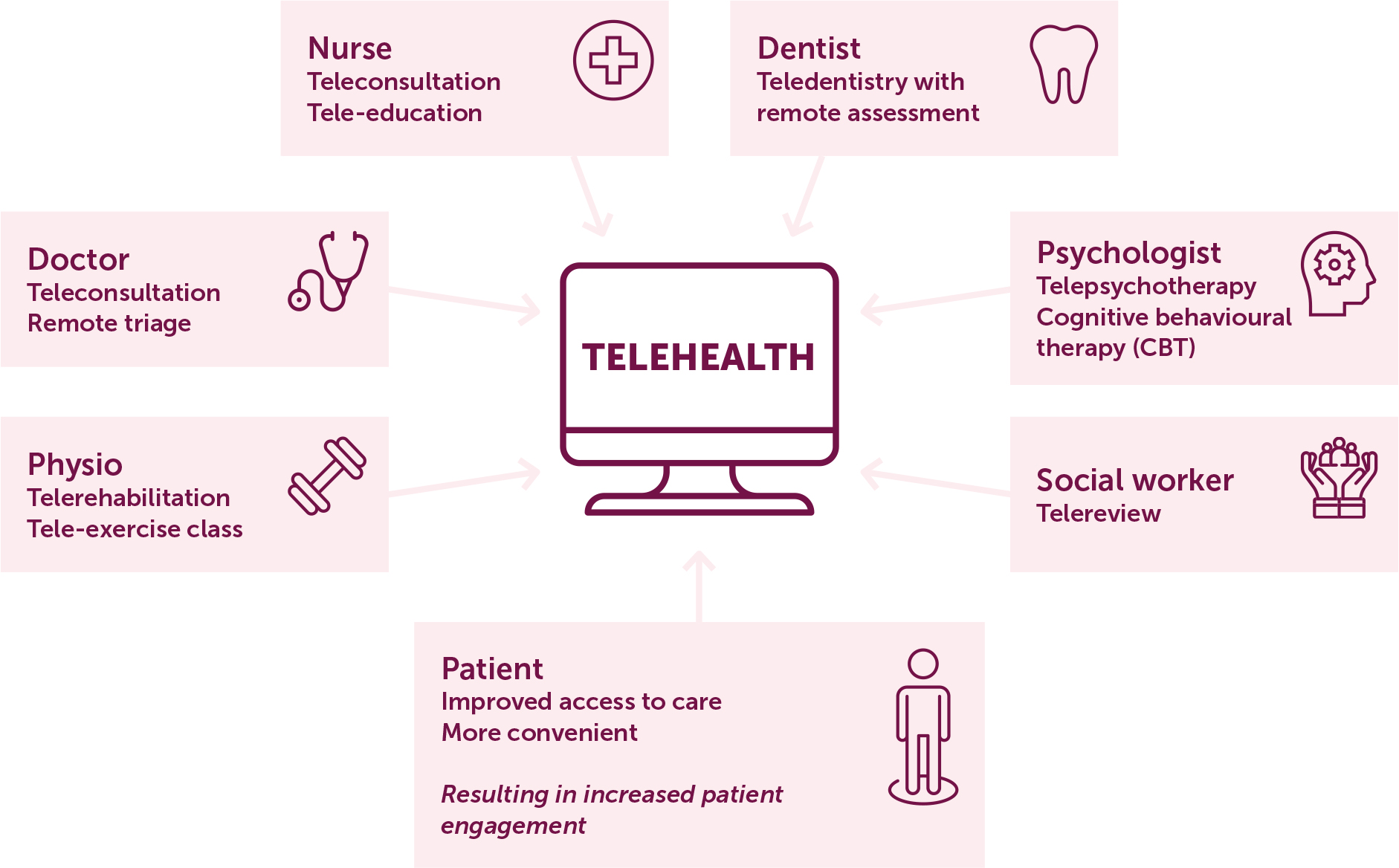
graphic/j_jhp-2023-0022_fig_002.jpg

Haemophilia is a rare inherited bleeding disorder that impacts the blood’s ability to clot due to reduced levels of blood-clotting proteins. This can lead to spontaneous bleeding as well as prolonged and excessive bleeding following injuries or surgery [1]. The haemophilia patient journey can be complex, involving various procedures, treatments and multidisciplinary specialities [2]. Factor replacement products are the mainstay of treatment; however, monoclonal antibody therapies provide an alternative non-factor treatment option, with one product licensed for prophylactic use in appropriate patients with haemophilia A via subcutaneous administration [36]. Recently, the development of haemophilia gene therapies has progressed significantly, with one product approved for the treatment of suitable adults with severe haemophilia A and another product approved for the treatment of suitable adults with haemophilia B [712]. These significant treatment advances together with the multiple heterogeneous therapy options available have added complexity to treatment selection and necessitates a collaborative approach [13].

As well as preventing and controlling bleeding, care for people with haemophilia includes management of pain, musculoskeletal complications, and other comorbidities, and monitoring/managing clotting factor inhibitors [3,4]. In addition to controlling physical symptoms, psychosocial care is also of high importance [3]. There is an overriding need to ensure minimal impairment of quality of life, and the importance of minimising the psychological burden has been recognised [14]. These broad needs are best met by a multidisciplinary team (MDT), where treatment decisions are made jointly with the patient and their caregiver(s) [3]. The practicalities of this have been greatly affected by the coronavirus disease 2019 (COVID-19) pandemic [15].

Many healthcare settings have adopted virtual telemedicine approaches [16], however, there is limited guidance on how to successfully integrate this approach into MDT haemophilia care. Considering published literature and expert opinions, this publication aims to understand the current landscape of MDT haemophilia care, focusing on a virtual approach and how this may evolve in the future.

METHODS

Literature review

A literature review was conducted by a medical communications agency prior to a roundtable meeting with experts from the United Kingdom (UK), to facilitate relevant and current discussions. Searches were performed in PubMed in June 2021 using the following search strings: Hemophilia AND (Telemedicine OR Telehealth OR Teleconsultation OR Virtual) and Hemophilia AND (Multidisciplinary OR Comprehensive OR Team) AND (COVID-19). The search results underwent an initial title/abstract screen by the first reviewer. The same reviewer then reviewed the full text of these publications and selected those of relevance. A second reviewer verified the relevance of these selected publications. Publications were excluded if they did not provide detailed information on multidisciplinary care during the COVID-19 pandemic and/or virtual care, or primarily focused on treatment endpoints, instead of the model of care. Additional relevant literature published following the initial search (between June 2021 and September 2022) was also included to ensure the latest research was captured. The process used for the initial literature search was also used to identify this additional relevant literature; the search strings used within PubMed can be found in Supplementary Table 1. Publications were excluded if they related to acquired haemophilia or specifically to pain management.

Table 1.

Best practices for haemophilia care, based on a survey of healthcare professionals in the United Kingdom and Canada [21]

AREA HIGHLIGHTED BEST PRACTICE OR POLICY
Multidisciplinary team (MDT)
  • Centrality of a non-hierarchical team approach Sharing different expertise and experience leads to better outcome

  • Dedicated physiotherapists with prominent role Major impact on musculoskeletal (MSK) outcomes

  • All patients known to all MDT members

  • Regular, formal MDT meetings outside the clinic

  • Having a data coordinator as core MDT member

  • Having one experienced, highly trained person (e.g., nurse) whose time is devoted fully to the programme and who can function independently

Patient management
  • Standardised care and protocols/pathways

  • Aggressive follow-up; maintain high expectations for diary-keeping Critical for joint management and self-treatment

  • Electronic treatment plan (especially for emergencies)

  • Robust pain management strategies

  • Collaborate with other specialties and other centres

  • Close links and collaboration between adult and paediatric services/centres Facilitates smooth, effective transitioning

Technology
  • Video conferencing for remote care and training Complements (rather than replaces) traditional community services

  • Using text, email, and phone to liaise with patients in the initial stages of an acute bleed

  • Use of patient forums

  • Establishment of a genetic database

Orthopaedics
  • Preventative consultations

  • Involvement of orthopaedic surgeons with specialised knowledge of specific joints

  • Close links with radiology

1 Adapted from St-Louis J, Chowdary P, Dolan G, et al. Multidisciplinary team care of patients with hemophilic arthropathy: A qualitative assessment of contemporary practice in the UK and Canada : Canada/UK: MDT Practices for Hemophilia. Clin Appl Thromb Hemost (SAGE) 2022; 28. doi: 10.1177/1076029621107002. Licensed under CC BY-NC 4.0: https://creativecommons.org/licenses/by-nc/4.0/. © The Author(s) 2022.

Roundtable meeting

In the summer of 2021, eight representatives of the specialities involved in MDT haemophilia care, from various UK-based haemophilia comprehensive care centres (HCCCs), were brought together by CSL Behring. The group (current authors) comprised four haematologists, a psychologist, two physiotherapists and an advanced nurse practitioner. The roundtable meeting was held virtually on 29 September 2021 and involved presentations on predefined topics (based on findings from the literature review and the participants’ own experiences) and group discussions, with the aim of addressing the following objectives:

  • Understand the current landscape of MDT care for haemophilia and best practices for delivering effective care

  • Assess the benefits, challenges and opportunities of virtual MDT care

  • Discuss how bleeds are identified and managed in a virtual setting

  • Explore how virtual paediatric care differs from adult care

  • Discuss the future of virtual MDT care.

The outcomes from the roundtable meeting are presented, along with additional points voiced during the development of the manuscript. These findings were summarised to form consensus statements, which were reviewed and approved by all authors.

RESULTS

Literature review

The initial literature review and additional literature searches produced a total of 1,112 results. Following removal of duplicates and review by the agency, 68 publications were identified as relevant and detailed the delivery of virtual and/or multidisciplinary haemophilia care (Supplementary Tables 2 and 3).

The current landscape and best practices for effective MDT haemophilia care

Literature findings

International guidelines recommend that comprehensive haemophilia care should be delivered by a MDT, usually consisting of a haematologist, nurse, psychologist, laboratory specialist and physiotherapist [3,1720]. In the United States (US), the addition of a clinical haemophilia pharmacist to the MDT was associated with a reduction in bleeding rates and medication costs [20].

Several best practices for haemophilia care, including MDT care, have been identified by healthcare professionals (HCPs) in the UK and Canada (Table 1), which involve a non-hierarchical team attitude and regular meetings [21]. In the US, haemophilia treatment centres (HTCs), specifically designed to provide multidisciplinary care, have received high levels of patient satisfaction and have been associated with fewer bleeds and associated emergency department visits, as well as a positive impact on patients’ quality of life [22]. Tools and algorithms are also in development to improve MDT care and assist with shared patient and provider decision-making in the current landscape of multiple diverse therapy options [13].

The necessity of MDT care is well recognised globally [3]; however, there are still several associated unmet needs associated, such as pain management, improved access to HTCs and involvement of additional specialities during HTC visits [23,24]. Moreover, priorities in resource-limited countries differ from those in rich countries. The importance of medication access and the potential challenges associated with adherence have been the focus of literature from these regions [25,26].

Prior to the COVID-19 pandemic, virtual MDT haemophilia care was gaining support worldwide [2729]; however data was limited [15]. The pandemic necessitated rapid implementation of innovative virtual solutions to ensure continued access to multidisciplinary care [15]. In the US, the use of telemedicine showed a 78-fold increase between February and April 2020. Despite a subsequent decrease, a 38-fold increase versus the pre-pandemic level was still evident in February 2021 [16]. During the pandemic, paediatric care remained accessible to patients but in adapted forms (e.g., via telemedicine) across HTCs in Europe, Israel and Canada [30]. A European survey completed in 2021 reported that virtual pharmacokinetic tools were being utilised by many centres [31]. One mobile application in development for patients with haemophilia features medication reminders, remote communication with healthcare providers and self-monitoring logs, with the aim of aiding self-management [32]; however, data privacy and the patient’s willingness/ability to use technology require further consideration [33].

Roundtable discussions

In the UK, virtual MDT care was widely used throughout the pandemic; however, the format varied depending on the healthcare setting and available resources. A mix of video software/platforms, including Microsoft Teams, Attend Anywhere, Zoom, Skype, accuRx and WhatsApp, were used prior to and during the pandemic, with the choice of platform depending on HCP and MDT preferences and local policy. Following a reduction in COVID-19 rates, hybrid care formats were being adopted in most settings, enabling greater flexibility in the delivery and personalisation of care.

Consensus statement

The format of virtual MDT care depends on the healthcare setting, available resources, HCP and MDT preferences and local policy. The implementation of hybrid formats will further facilitate MDT/patient flexibility and the personalisation of care.

Virtual MDT care – benefits, challenges, and opportunities

Literature findings

Several studies have described the benefits associated with virtual MDT care. Implementation of a multidisciplinary approach using a virtual platform at a HCCC in Belfast, UK, was positively viewed by patients and staff and was associated with higher attendance rates (93% virtual versus 69% face-to-face clinics) [34]. In Dublin, Ireland, the use of telehealth for the delivery of comprehensive care (e.g., medical, nursing and physiotherapy appointments) (Figure 1) increased the number of patients undergoing consultations and reduced non-attendance rates compared to the previous year [15].

Figure 1.

Telehealth care model for haemophilia care, implemented during the coronavirus disease 2019 (COVID-19) pandemic at a haemophilia comprehensive care centre in Dublin, Ireland [15]

From: O’Donovan M, Buckley C, Benson J, et al. Telehealth for delivery of haemophilia comprehensive care during the COVID-19 pandemic. Haemophilia (Wiley) 2020; 26(6): 984-990. doi: 10.1111/hae.14156. © 2020 John Wiley & Sons Ltd.
graphic/j_jhp-2023-0022_fig_001.jpg

The challenges of virtual haemophilia care have been particularly described for physiotherapy and rehabilitation [35]. Although telehealth may be applicable to some aspects of this care (e.g., triaging for acute concerns), some face-to-face contact is expected to remain necessary [36]. When assessing patients, physical examination is an important tool and both physiotherapists and patients have expressed concerns that this is not possible in a virtual setting [35,36]. In addition, patients may not own the correct equipment to adequately benefit from the virtual session [35]. Assessment tools, such as the Haemophilia Joint Health Score, intended for in-person consultations, require adaptation for remote use [36]. While newer products may provide improvements in treatment effectiveness, the need for physiotherapy is expected to persist and services will need to evolve as the landscape progresses [37].

Further challenges of virtual consultations include the lack of deep discussion and disclosure of private information [34]. The inability to carry out physical examinations or specific testing may lead to further face-to-face appointments [34]. In addition, video consultations require access by both patients and HCPs to appropriate IT equipment, and organisational processes may require adjustments to avoid dependence on physical presence [15].

Roundtable discussions

The advisors agreed that virtual MDT care is associated with several benefits, which include improved convenience and choice for their patients, as well as access to a wider network of patients. However, there are also many patient-specific challenges, such as difficulties building relationships and gaining the trust of new or newly diagnosed patients, and complexities with gaining a thorough understanding of the patient’s needs. For paediatric patients, ensuring sufficient engagement and safeguarding, and that parents/guardians are present throughout the appointment, can be challenging. Furthermore, in virtual settings, indicators of abuse/neglect may be less recognisable.

Logistical difficulties, such as space limitations and ensuring privacy from other household members, may be encountered when evaluating patients virtually. In particular, joint and musculoskeletal assessments may be restricted, due to only being able to observe instead of assessing hands-on. Consultations overrunning or taking longer, inappropriate appointment locations (e.g., whilst driving) and technical issues may also present problems. From the perspective of the healthcare system, students and trainees may not get the opportunity to undertake placements and practical learning experiences. Opportunities to optimise virtual care include the development of new hybrid care models and interactive virtual materials, plus increased use of administrative staff to organise hybrid care, including checking-in patients and confirming key information prior to virtual appointments.

Consensus statement

Advisors agreed that virtual MDT care is associated with several benefits such as improved convenience/choice for their patients and wider patient reach; however, many patient-specific and logistical challenges exist and require attention. Hybrid care models may provide an opportunity to overcome these challenges and further optimise MDT care.

Managing bleeds remotely

Literature findings

The World Federation of Hemophilia (WFH) recommends that patients are taught how to manage their care at home, empowering them to recognise bleeds and to self-infuse. Self-management promotes rapid treatment, minimising the effects of bleeding. Ability to recognise and treat breakthrough bleeding is important for patients receiving prophylaxis with new types of coagulation therapy, and this capability should be assessed by their physician [3].

Patients should keep detailed records of treatments administered and bleeding episodes experienced [3]. It has been demonstrated that electronic diaries may be associated with more comprehensive data reporting, as well as an improvement in treatment adherence [38]. In the UK, Haemtrack is an established and widely used system for patients with bleeding disorders [39]. Although paper versions are available, the majority of patients opt to use the electronic diary, accessible via PC software and mobile applications [39]. HaemoassistTM 2 is another system, predominantly used in Spain and Germany, shown to be effective in enabling patients to document their prophylactic infusions and treatment of bleeding [40]. A study in Hong Kong reported that patients are receptive to using mobile technology to organise their bleeding records and manage their health [41].

Roundtable discussions

The care model for bleeding management varied among advisors. Some advisors prefer for patients to have a face-to-face assessment for acute bleeding and a virtual follow-up, while others prefer to assess remotely so the patient can rest, with a face-to-face follow-up after rehabilitation. Telephone consultations alone are not sufficient for assessing bleeds as it is not possible to identify non-verbal cues and movement restrictions. Advisors are more comfortable with assessing bleeds remotely in patients with whom they have strong and trusted relationships, enabling confidence in the patient’s ability to self-manage. Face-to-face assessments are preferable for new and newly diagnosed patients, patients with mild/moderate disease and those known to require ongoing support. The group agreed that patients should be assessed in person if there is any uncertainty surrounding the bleed.

It is important to encourage frequent and open dialogue with patients who are self-managing remotely. A bleeding episode described by a patient may not represent the overall clinical situation and may require further assessment. Virtual tracking tools (e.g., Haemtrack) are used in some centres to manage patients remotely and, while usage increased at the beginning of the pandemic, it has subsequently declined. Hesitancy among HCPs to rely on virtual tracking tools may be attributable to the risk that patients may not document their bleeds in an accurate or timely manner. The use of home delivery of medication was described by one advisor; their centre first implemented this during the pandemic and a positive reception was received.

Consensus statement

The decision as to whether bleeds are managed virtually or face-to-face should depend on provider preference, the patient-provider relationship, and the patient’s disease severity, history, and ability to self-manage. As such, this should be assessed on a case-by-case basis. Virtual tracking tools should not be solely relied upon for MDT decision-making as patient accuracy cannot be ascertained.

Adapting and optimising virtual paediatric care

Literature findings

No published literature reporting experiences of virtual paediatric care were found. Home therapy for children with haemophilia is advocated by the WFH [3]. For young children, family and carers may be trained to administer coagulation factor concentrates, while older children and teenagers can be taught self-infusion. The need for education is high; children must understand more about their condition as they become older and seek to gain the skills required for self-care [3]. It is important to note that educational activities may require adjustment according to each child’s health literacy and health numeracy [42]. Equally, the educational needs of parents must not be overlooked. It has been reported that parents want to be taught how to administer intravenous treatment and how to prevent/treat injuries [43].

Adherence to treatment among adolescents can be suboptimal, for reasons such as low burden of symptoms, forgetfulness, and poor knowledge of the disorder, as well as challenges with self-infusing. Young adults may feel pressure to appear normal and may be in denial about their condition [3,44]. Intravenous prophylaxis may also present challenges in the younger population; the potential option for subcutaneous administration could reduce the treatment burden but may also decrease the ability to self-infuse due to lack of venepuncture training [45].

Roundtable discussions

Paediatric patients are as likely as adults to benefit from a virtual MDT approach; however, the composition of an ideal MDT may differ from that of adults and care must be taken to ensure that both patients and their caregivers receive appropriate support and communication to facilitate suitable virtual care.

Transitioning adolescent patients to adult clinics without face-to-face consultation is challenging, partly due to difficulties in building relationships when interacting virtually. It is important to start the prolonged transition process of these patients early, avoiding uncertainty in which service is responsible for their care and allowing a gradual increase in independence as they leave the paediatric clinic. Transition clinics should be adapted to the needs of patients and their parents and enhanced psychological support may be needed during the adjustment period. Patients may benefit from a hybrid care approach. One advisor described an adult transition clinic at their centre which runs into the evening, thereby minimising the amount of school that teenagers are missing due to clinic appointments.

It is difficult to train patients/parents to administer prophylactic treatment and provide support/reassurance virtually, particularly for newly diagnosed patients. Virtual care has facilitated increased use of creative platforms (e.g., YouTube, Instagram, TikTok) to educate and communicate with younger patients. Interactive and digital materials may help increase engagement among patients and their parents, particularly for those with mild disease who do not require regular appointments. Some suggestions for materials included virtual clinic tours, online biographies about their care providers, and digital leaflets.

Consensus statement

The MDT composition for paediatric care should be tailored to the specific needs of the age groups and their parents/caregivers. Creative virtual platforms and interactive materials may assist with engaging and educating this population, whilst also providing support to patients and their family support system.

The future of virtual MDT care

Roundtable discussions

Hybrid, integrated MDT care, delivered via specialist treatment centres, is likely to remain the gold standard for haemophilia care. Virtual MDT care was exciting, novel and a necessity at the start of the pandemic but now there is virtual fatigue and a need to increase the availability of face-to-face care. The method of care delivery should be individualised to the patient, based on their preference, patient-provider relationship, and disease severity. One advisor voiced that paediatric patients with mild haemophilia can be seen virtually, but it is still important to have face-to-face appointments at an appropriate interval; children with severe haemophilia should be seen face-to-face every six months. Another advisor described how their centre sees adult patients with severe haemophilia once in person each year for a full musculoskeletal and medical review, and once virtually each year, with high patient satisfaction. Some elements of haemophilia care, such as musculoskeletal and joint health assessments and laboratory monitoring, cannot be satisfied virtually. Face-to-face connections will remain valuable for conducting physical assessments, building strong relationships, and enabling HCPs to provide patients with reassurance, understanding and support. Hybrid care models with an adaptable mixture of face-to-face and virtual appointments will help provide flexible and individualised care in the rapidly evolving haemophilia landscape.

CONCLUSIONS

MDT care is widely recognised as the optimal approach for haemophilia management. The COVID-19 pandemic triggered a rapid uptake of telehealth for healthcare provision, which led to higher attendance rates in some centres, as well as important perceived advantages such as improved convenience for patients and wider patient reach. However, some aspects of face-to-face consultations (e.g., musculoskeletal and joint health assessments) cannot be replicated virtually; one comprehensive review found no articles describing how virtual assessments were performed in haemophilia [46]. Future research should focus on the standardisation, validity and reliability of virtual assessments in haemophilia, as well as the patient perspective of the methods, benefits and challenges of virtual MDT care. Hybridised care with both face-to-face and virtual options depending on patient preference, clinical circumstance, and patient-provider relationship, will likely be adopted for future haemophilia management and will facilitate the optimisation of MDT care.

ACKNOWLEDGEMENTS

The authors would like to thank Dr Alice Taylor for her participation and contribution to the meeting discussions. Funding for the literature search, roundtable meeting, and manuscript development was provided by CSL Behring. Medical writing support was provided by Meridian HealthComms Ltd (Macclesfield, UK) in accordance with Good Publication Practice guidelines. The sponsor was not involved in developing this manuscript but reviewed the content for scientific accuracy.

This paper reports on a roundtable of health care professionals and did not require research board approval.

Notes

[2] Conflicts of interest Conflict of Interest Statements

Funding for the literature search, roundtable meeting and manuscript development was provided by CSL Behring.

All authors received consultancy fees from CSL Behring for participating in the roundtable meeting but there were no payments for development of this manuscript.

GB received speaker/consultancy honoraria from Novo Nordisk, CSL Behring, Takeda, Bristol Myers Squibb and Bayer.

TB received speaker/consultancy honoraria from Roche and Novo Nordisk.

KG has received grant/research support, consultancy fees and/or served on speakers’ bureaus for Bayer, BioMarin, BPL, Chugai, CSL Behring, Pfizer, Roche, Sobi and Takeda.

KAH has no further relevant disclosures.

DS has served on advisory boards and speaker bureaus for Sobi, CSL Behring, Pfizer and Takeda, and received research support from Sobi, Roche, CSL Behring and Bayer.

AW received speaker fees from Novo Nordisk and Sobi, and consultancy fees from Pfizer.

SM received speaker/consultancy honoraria or support to attend meetings from Sobi, Roche, Novo Nordisk, Takeda, Chugai, CSL Behring, Sanofi Aventis and Octapharma.

REFERENCES

1 

Centers for Disease Control and Prevention. What is Hemophilia? 2022. Available from https://www.cdc.gov/ncbddd/hemophilia/facts.html (accessed January 2023).

Centers for Disease Control and Prevention. What is Hemophilia?2022. Available from https://www.cdc.gov/ncbddd/hemophilia/facts.html (accessed January 2023).

2 

Beny K, du Sartz de Vigneulles B, Carrouel F, et al. Haemophilia in France: Modelisation of the clinical pathway for patients. Int J Environ Res Public Health 2022; 19(2): 646. doi: 10.3390/ijerph19020646.

K Beny B du Sartz de Vigneulles F Carrouel Haemophilia in France: Modelisation of the clinical pathway for patients.Int J Environ Res Public Health2022; 19(2): 646. doi: 10.3390/ijerph19020646.

3 

Srivastava A, Santagostino E, Dougall A, et al. WFH Guidelines for the Management of Hemophilia, 3rd edition. Haemophilia 2020; 26 Suppl 6: 1-158. doi: 10.1111/hae.14046.

A Srivastava E Santagostino A Dougall WFH Guidelines for the Management of Hemophilia, 3rd edition. Haemophilia2020; 26Suppl 6: 1-158. doi: 10.1111/hae.14046.

4 

Mehta P, Reddivari AKR. Hemophilia. In: StatPearls [Internet]. Treasure Island (FL): StatPearls Publishing; 30 Sep 2022.

P Mehta AKR. Reddivari Hemophilia. In: StatPearls[Internet]. Treasure Island (FL): StatPearls Publishing; 30Sep2022.

5 

Roche. Summary of Product Characteristics – Hemlibra. Available from https://www.ema.europa.eu/en/documents/product-information/hemlibra-epar-product-information_en.pdf (accessed March 2023).

Roche. Summary of Product Characteristics – Hemlibra. Available from https://www.ema.europa.eu/en/documents/product-information/hemlibra-epar-product-information_en.pdf (accessed March 2023).

6 

Genentech. Prescribing Information – HEMLIBRA. Available from https://www.gene.com/download/pdf/hemlibra_prescribing.pdf (accessed March 2023).

Genentech. Prescribing Information – HEMLIBRA. Available from https://www.gene.com/download/pdf/hemlibra_prescribing.pdf (accessed March 2023).

7 

Leebeek FWG, Miesbach W. Gene therapy for hemophilia: a review on clinical benefit, limitations, and remaining issues. Blood 2021; 138(11): 923-931. doi: 10.1182/blood.2019003777.

FWG Leebeek W. Miesbach Gene therapy for hemophilia: a review on clinical benefit, limitations, and remaining issues. Blood2021; 138(11): 923-931. doi: 10.1182/blood.2019003777.

8 

BioMarin. Summary of Product Characteristics – ROCTAVIAN. Available from https://www.ema.europa.eu/en/documents/product-information/roctavian-epar-product-information_en.pdf (accessed March 2023).

BioMarin. Summary of Product Characteristics – ROCTAVIAN. Available from https://www.ema.europa.eu/en/documents/product-information/roctavian-epar-product-information_en.pdf (accessed March 2023).

9 

BioMarin. Prescribing Information – ROCTAVIAN. Available from https://d34r3hkxgxjdtw.cloudfront.net/6f836309-d95f-42af-b717-2efa058ad82d/78bf2bcb-7068-4774-b962-a35c53704fc1/78bf2bcb-7068-4774-b962-a35c53704fc1_source__v.pdf (accessed July 2023).

BioMarin. Prescribing Information – ROCTAVIAN. Available from https://d34r3hkxgxjdtw.cloudfront.net/6f836309-d95f-42af-b717-2efa058ad82d/78bf2bcb-7068-4774-b962-a35c53704fc1/78bf2bcb-7068-4774-b962-a35c53704fc1_source__v.pdf (accessed July 2023).

10 

CSL Behring. Prescribing Information – HEMGENIX. Available from https://labeling.cslbehring.com/PI/US/Hemgenix/EN/Hemgenix-Prescribing-Information.pdf (accessed January 2023).

CSL Behring. Prescribing Information – HEMGENIX. Available from https://labeling.cslbehring.com/PI/US/Hemgenix/EN/Hemgenix-Prescribing-Information.pdf (accessed January 2023).

11 

CSL Behring. Summary of Product Characteristics - Hemgenix. Available from https://www.ema.europa.eu/en/documents/product-information/hemgenix-epar-product-information_en.pdf (accessed March 2023).

CSL Behring. Summary of Product Characteristics - Hemgenix. Available from https://www.ema.europa.eu/en/documents/product-information/hemgenix-epar-product-information_en.pdf (accessed March 2023).

12 

Medicines and Healthcare products Regulatory Agency. Orphan Registered Medicinal Products: HEMGENIX. 2023. Available from https://www.gov.uk/government/publications/orphan-registered-medicinal-products/orphan-register#hemgenix-1-x-1013-genome-copiesml-concentrate-for-solution-for-infusion (accessed July 2023).

Medicines and Healthcare products Regulatory Agency. Orphan Registered Medicinal Products: HEMGENIX.2023. Available from https://www.gov.uk/government/publications/orphan-registered-medicinal-products/orphan-register#hemgenix-1-x-1013-genome-copiesml-concentrate-for-solution-for-infusion (accessed July 2023).

13 

Hermans C, Noone D, Benson G, et al. Hemophilia treatment in 2021: Choosing the “optimal” treatment using an integrative, patient-oriented approach to shared decision-making between patients and clinicians. Blood Rev 2021; 52: 100890. doi: 10.1016/j.blre.2021.100890.

C Hermans D Noone G Benson Hemophilia treatment in 2021: Choosing the “optimal” treatment using an integrative, patient-oriented approach to shared decision-making between patients and clinicians. Blood Rev2021; 52: 100890. doi: 10.1016/j.blre.2021.100890.

14 

Krumb E, Hermans C. Living with a “hemophilia-free mind” – The new ambition of hemophilia care? Res Pract Thromb Haemost 2021; 5(5): e12567. doi: 10.1002/rth2.12567.

E Krumb C. Hermans Living with a “hemophilia-free mind” – The new ambition of hemophilia care?Res Pract Thromb Haemost2021; 5(5): e12567. doi: 10.1002/rth2.12567.

15 

O’Donovan M, Buckley C, Benson J, et al. Telehealth for delivery of haemophilia comprehensive care during the COVID-19 pandemic. Haemophilia 2020; 26(6): 984-990. doi: 10.1111/hae.14156.

M O’Donovan C Buckley J Benson Telehealth for delivery of haemophilia comprehensive care during the COVID-19 pandemic. Haemophilia2020; 26(6): 984-990. doi: 10.1111/hae.14156.

16 

McKinsey & Company. Telehealth: A quarter-trillion-dollar post-COVID-19 reality? 9 July 2021. Available from https://www.mckinsey.com/industries/healthcare-systems-and-services/our-insights/telehealth-a-quarter-trillion-dollar-post-covid-19-reality (accessed July 2023).

McKinsey & Company. Telehealth: A quarter-trillion-dollar post-COVID-19 reality?9July2021. Available from https://www.mckinsey.com/industries/healthcare-systems-and-services/our-insights/telehealth-a-quarter-trillion-dollar-post-covid-19-reality (accessed July 2023).

17 

de Kleijn P, Duport G, Jansone K, et al. European principles of care for physiotherapy provision for persons with inherited bleeding disorders: Perspectives of physiotherapists and patients. Haemophilia 2022; 28(4): 649-655. doi: 10.1111/hae.14566.

P de Kleijn G Duport K Jansone European principles of care for physiotherapy provision for persons with inherited bleeding disorders: Perspectives of physiotherapists and patients. Haemophilia2022; 28(4): 649-655. doi: 10.1111/hae.14566.

18 

Timmer MA, Blokzijl J, Schutgens REG, Veenhof C, Pisters MF. Coordinating physiotherapy care for persons with haemophilia. Haemophilia 2021; 27(6): 1051-1061. doi: 10.1111/hae.14404.

MA Timmer J Blokzijl REG Schutgens C Veenhof MF. Pisters Coordinating physiotherapy care for persons with haemophilia. Haemophilia2021; 27(6): 1051-1061. doi: 10.1111/hae.14404.

19 

Mulder K, McCabe E, Strike K, Nilson J. Developing clinical practice guidelines for physiotherapists working with people with inherited bleeding disorders. Haemophilia 2021; 27(4): 674-682. doi: 10.1111/hae.14327.

K Mulder E McCabe K Strike J. Nilson Developing clinical practice guidelines for physiotherapists working with people with inherited bleeding disorders. Haemophilia2021; 27(4): 674-682. doi: 10.1111/hae.14327.

20 

Lee D, Le AO, Meganck M, Chamberland S, Pai A. Adding a clinical hemophilia pharmacist to the hemophilia comprehensive care model improves health care-related outcomes and drug-related costs in an integrated health care system. Perm J 2022; 26(3): 90-93. doi: 10.7812/TPP/21.192.

D Lee AO Le M Meganck S Chamberland A. Pai Adding a clinical hemophilia pharmacist to the hemophilia comprehensive care model improves health care-related outcomes and drug-related costs in an integrated health care system. Perm J2022; 26(3): 90-93. doi: 10.7812/TPP/21.192.

21 

St-Louis J, Chowdary P, Dolan G, et al. Multidisciplinary team care of patients with hemophilic arthropathy: A qualitative assessment of contemporary practice in the UK and Canada : Canada/UK: MDT Practices for Hemophilia. Clin Appl Thromb Hemost 2022; 28: 10760296211070002. doi: 10.1177/10760296211070002.

J St-Louis P Chowdary G Dolan Multidisciplinary team care of patients with hemophilic arthropathy: A qualitative assessment of contemporary practice in the UK and Canada : Canada/UK: MDT Practices for Hemophilia. Clin Appl Thromb Hemost2022; 28: 10760296211070002. doi: 10.1177/10760296211070002.

22 

Valentino LA, Baker JR, Butler R, et al. Integrated hemophilia patient care via a national network of care centers in the United States: a model for rare coagulation disorders. J Blood Med 2021; 12: 897-911. doi: 10.2147/JBM.S325031.

LA Valentino JR Baker R Butler Integrated hemophilia patient care via a national network of care centers in the United States: a model for rare coagulation disorders. J Blood Med2021; 12: 897-911. doi: 10.2147/JBM.S325031.

23 

Cortesi PA, Rocino A, Preti D, et al. Haemophilia management and treatment: An Italian survey on patients’, caregivers’ and clinicians’ point of view. Haemophilia 2022; 28(2): 254-263. doi: 10.1111/hae.14504.

PA Cortesi A Rocino D Preti Haemophilia management and treatment: An Italian survey on patients’, caregivers’ and clinicians’ point of view. Haemophilia2022; 28(2): 254-263. doi: 10.1111/hae.14504.

24 

Gualtierotti R, Tafuri F, Arcudi S, et al. Current and emerging approaches for pain management in hemophilic arthropathy. Pain Ther 2022; 11: 1-15. doi: 10.1007/s40122-021-00345-x.

R Gualtierotti F Tafuri S Arcudi Current and emerging approaches for pain management in hemophilic arthropathy. Pain Ther2022; 11: 1-15. doi: 10.1007/s40122-021-00345-x.

25 

Ghosh K, Ghosh K. Overcoming the challenges of treating hemophilia in resource-limited nations: a focus on medication access and adherence. Expert Rev Hematol 2021; 14(8): 721-730. doi: 10.1080/17474086.2021.1957826.

K Ghosh K. Ghosh Overcoming the challenges of treating hemophilia in resource-limited nations: a focus on medication access and adherence. Expert Rev Hematol2021; 14(8): 721-730. doi: 10.1080/17474086.2021.1957826.

26 

Mbanya DN, Diop S, Ndoumba Mintya AN, El Kiaby M. Hemophilia care in Africa: Status and challenges. Transfus Clin Biol 2021; 28(2): 158-162. doi: 10.1016/j.tracli.2021.01.008.

DN Mbanya S Diop AN Ndoumba Mintya M. El Kiaby Hemophilia care in Africa: Status and challenges. Transfus Clin Biol2021; 28(2): 158-162. doi: 10.1016/j.tracli.2021.01.008.

27 

Kulkarni R. Use of telehealth in the delivery of comprehensive care for patients with haemophilia and other inherited bleeding disorders. Haemophilia 2018; 24(1): 33-42. doi: 10.1111/hae.13364.

R. Kulkarni Use of telehealth in the delivery of comprehensive care for patients with haemophilia and other inherited bleeding disorders. Haemophilia2018; 24(1): 33-42. doi: 10.1111/hae.13364.

28 

Qian W, Lam TT, Lam HHW, Li CK, Cheung YT. Telehealth interventions for improving self-management in patients with hemophilia: Scoping review of clinical studies. J Med Internet Res 2019; 21(7): e12340. doi: 10.2196/12340.

W Qian TT Lam HHW Lam CK Li YT. Cheung Telehealth interventions for improving self-management in patients with hemophilia: Scoping review of clinical studies. J Med Internet Res2019; 21(7): e12340. doi: 10.2196/12340.

29 

Jacobson K, Hooke MC. Telehealth videoconferencing for children with hemophilia and their families: a clinical project. J Pediatr Oncol Nurs 2016; 33(4): 282-288. doi: 10.1177/1043454215607340.

K Jacobson MC. Hooke Telehealth videoconferencing for children with hemophilia and their families: a clinical project. J Pediatr Oncol Nurs2016; 33(4): 282-288. doi: 10.1177/1043454215607340.

30 

Alvarez-Roman MT, Kurnik K, PedNet Study G. Care for children with haemophilia during COVID-19: Data of the PedNet study group. Haemophilia 2021; 27(4): e537-e539. doi: 10.1111/hae.14286.

MT Alvarez-Roman K Kurnik PedNet Study G. Care for children with haemophilia during COVID-19: Data of the PedNet study group. Haemophilia2021; 27(4): e537-e539. doi: 10.1111/hae.14286.

31 

Windyga J, Boban A, Zupan I, O’Connell N, Hermans C. Changing paradigms of hemophilia care across larger specialized treatment centers in the European region. Ther Adv Hematol 2022; 13: 20406207221088462. doi: 10.1177/20406207221088462.

J Windyga A Boban I Zupan N O’Connell C. Hermans Changing paradigms of hemophilia care across larger specialized treatment centers in the European region. Ther Adv Hematol2022; 13: 20406207221088462. doi: 10.1177/20406207221088462.

32 

Olusanya OA, Ammar N, Brakefield WS, et al. HemPHL: A personal health library and mHealth recommender to promote self-management of hemophilia. Stud Health Technol Inform 2021; 281: 550-554. doi: 10.3233/SHTI210231.

OA Olusanya N Ammar WS Brakefield HemPHL: A personal health library and mHealth recommender to promote self-management of hemophilia. Stud Health Technol Inform2021; 281: 550-554. doi: 10.3233/SHTI210231.

33 

Dirzu N, Hotea I, Jitaru C, et al. Mobile health technology for the personalized therapy of hemophilia. Front Med (Lausanne) 2021; 8: 711973. doi: 10.3389/fmed.2021.711973.

N Dirzu I Hotea C Jitaru Mobile health technology for the personalized therapy of hemophilia. Front Med (Lausanne)2021; 8: 711973. doi: 10.3389/fmed.2021.711973.

34 

Sayers F, Manson H, Brennan B, et al. Virtual consultations: Providing alternative ways of supporting patients with inherited bleeding disorders. Haemophilia 2021; 27(4): e498-e501. doi: 10.1111/hae.14210.

F Sayers H Manson B Brennan Virtual consultations: Providing alternative ways of supporting patients with inherited bleeding disorders. Haemophilia2021; 27(4):e498-e501. doi: 10.1111/hae.14210.

35 

Aliaga-Castillo V, Horment-Lara G, Contreras-Sepúlveda F, Cruz-Montecinos C. Safety and effectiveness of telerehabilitation program in people with severe haemophilia in Chile. A qualitative study. Musculoskelet Sci Pract 2022; 60: 102565. doi: 10.1016/j.msksp.2022.102565.

V Aliaga-Castillo G Horment-Lara F Contreras-Sepúlveda C. Cruz-Montecinos Safety and effectiveness of telerehabilitation program in people with severe haemophilia in Chile. A qualitative study. Musculoskelet Sci Pract2022; 60: 102565. doi: 10.1016/j.msksp.2022.102565.

36 

Flannery T, Bladen M, Hopper D, et al. Physiotherapy after COVID-19-”Zoom or room”. Haemophilia 2021; 27(4): e476-e478. doi: 10.1111/hae.14166.

T Flannery M Bladen D Hopper Physiotherapy after COVID-19-”Zoom or room”. Haemophilia2021; 27(4): e476-e478. doi: 10.1111/hae.14166.

37 

Lobet S, Timmer M, Königs C, et al. The role of physiotherapy in the new treatment landscape for haemophilia. J Clin Med 2021; 10(13): 2822. doi: 10.3390/jcm10132822.

S Lobet M Timmer C Königs The role of physiotherapy in the new treatment landscape for haemophilia. J Clin Med2021; 10(13): 2822. doi: 10.3390/jcm10132822.

38 

Banchev A, Goldmann G, Marquardt N, et al. Impact of telemedicine tools on record keeping and compliance in haemophilia care. Hamostaseologie 2019; 39(4): 347-354. doi: 10.1055/s-0038-1676128.

A Banchev G Goldmann N Marquardt Impact of telemedicine tools on record keeping and compliance in haemophilia care. Hamostaseologie2019; 39(4): 347-354. doi: 10.1055/s-0038-1676128.

39 

Hay CRM, Xiang H, Scott M, et al. The Haemtrack home therapy reporting system: Design, implementation, strengths and weaknesses: A report from UK Haemophilia Centre Doctors Organisation. Haemophilia 2017; 23(5): 728-735. doi: 10.1111/hae.13287.

CRM Hay H Xiang M Scott The Haemtrack home therapy reporting system: Design, implementation, strengths and weaknesses: A report from UK Haemophilia Centre Doctors Organisation. Haemophilia2017; 23(5): 728-735. doi: 10.1111/hae.13287.

40 

Tiede A, Bonanad S, Santamaria A, et al. Quality of electronic treatment records and adherence to prophylaxis in haemophilia and von Willebrand disease: Systematic assessments from an electronic diary. Haemophilia 2020; 26(6): 999-1008. doi: 10.1111/hae.14178.

A Tiede S Bonanad A Santamaria Quality of electronic treatment records and adherence to prophylaxis in haemophilia and von Willebrand disease: Systematic assessments from an electronic diary. Haemophilia2020; 26(6): 999-1008. doi: 10.1111/hae.14178.

41 

Cheung YT, Lam PH, Lam TT, Lam HHW, Li CK. Technology acceptance among patients with hemophilia in Hong Kong and their expectations of a mobile health app to promote self-management: Survey study. JMIR Form Res 2021; 5(9): e27985. doi: 10.2196/27985.

YT Cheung PH Lam TT Lam HHW Lam CK. Li Technology acceptance among patients with hemophilia in Hong Kong and their expectations of a mobile health app to promote self-management: Survey study. JMIR Form Res2021; 5(9): e27985. doi: 10.2196/27985.

42 

Bhatt N, Boggio L, Simpson ML. Using an educational intervention to assess and improve disease-specific knowledge and health literacy and numeracy in adolescents and young adults with haemophilia A and B. Haemophilia 2021; 27(2): 229-236. doi: 10.1111/hae.14228.

N Bhatt L Boggio ML. Simpson Using an educational intervention to assess and improve disease-specific knowledge and health literacy and numeracy in adolescents and young adults with haemophilia A and B. Haemophilia2021; 27(2): 229-236. doi: 10.1111/hae.14228.

43 

Zapata AC, Araya AX. Educational needs of parents of hemophiliac children: An approach to comprehensive care. Andes Pediatr 2021; 92(2): 219-225. doi: 10.32641/andespediatr.v92i2.1090.

AC Zapata AX. Araya Educational needs of parents of hemophiliac children: An approach to comprehensive care. Andes Pediatr2021; 92(2): 219-225. doi: 10.32641/and espediatr.v92i2.1090.

44 

Sun J, Zhou X, Hu N. Factor VIII replacement prophylaxis in patients with hemophilia A transitioning to adults: a systematic literature review. Orphanet J Rare Dis 2021; 16(1): 287. doi: 10.1186/s13023-021-01919-w.

J Sun X Zhou N. Hu Factor VIII replacement prophylaxis in patients with hemophilia A transitioning to adults: a systematic literature review. Orphanet J Rare Dis2021; 16(1): 287. doi: 10.1186/s13023-021-01919-w.

45 

Mancuso ME, Male C, Kenet G, et al. Prophylaxis in children with haemophilia in an evolving treatment landscape. Haemophilia 2021; 27(6): 889-896. doi: 10.1111/hae.14412

ME Mancuso C Male G Kenet Prophylaxis in children with haemophilia in an evolving treatment landscape. Haemophilia2021; 27(6): 889-896. doi: 10.1111/hae.14412

46 

Li CL, Strike K, Matino D, Bhatt M, Decker K, Chan AK. Telemedicine in hemophilia: A comprehensive review. Res Pract Thromb Haemost 2021; 5(S2): 451-452 (PB0597). Available from https://abstracts.isth.org/abstract/telemedicine-in-hemophilia-a-comprehensive-review/.

CL Li K Strike D Matino M Bhatt K Decker AK. Chan Telemedicine in hemophilia: A comprehensive review. Res Pract Thromb Haemost2021; 5(S2): 451-452(PB0597). Available from https://abstracts.isth.org/abstract/telemedicine-in-hemophilia-a-comprehensive-review/.

Appendices

Supplementary Table 1.

Search strings used within PubMed to identify additional relevant literature published between June 2021 and September 2022.

DATE OF SEARCH SEARCH NUMBER SEARCH STRING
09 February 2022 (To identify additional relevant literature from June 2021 to 09 February 2022) 1 Hemophilia AND (Telemedicine OR Telehealth OR Teleconsultation OR Virtual)
2 Hemophilia AND (Multidisciplinary OR Comprehensive OR Team)
3 Hemophilia AND Care
4 Hemophilia [tiab] AND Care [tiab]
5 Hemophilia AND Physiotherapy
6 Hemophilia AND Care AND (Child* OR Adolescent OR Paediatric OR Pediatric)
7 Hemophilia AND Hybrid
8 Hemophilia AND Care AND Psychology
14 September 2022 (To identify additional relevant literature from 09 February 2022 to 14 September 2022) 1 Hemophilia AND (Telemedicine OR Telehealth OR Teleconsultation OR Virtual)
2 Hemophilia AND (Multidisciplinary OR Comprehensive OR Team)
Supplementary Table 2.

Relevant publications identified by the initial literature searches completed in June 2021.

Please note that not all the literature outlined in the table has been included in the manuscript.

AUTHORS TITLE AND DOI YEAR SUMMARY
Olusanya et al. HemPHL: A personal health library and mHealth recommender to promote self-management of hemophilia https://doi.org/10.3233/SHTI210231 2021 Paper outlining a haemophilia-focused, user-centred app to gather, manage, and exchange tailored health information and recommendations to facilitate self-management and home therapy.
Alvarez-Roman et al. Care for children with haemophilia during COVID-19: Data of the PedNet study group https://doi.org/10.1111/hae.14286 2021 Survey from PedNet study group to investigate access to haemophilia treatment centres, use of telemedicine programme, supportive care, the way patients were informed about changes, treatment, clinical trials and external monitoring schedule.
Zapata & Araya Educational needs of parents of hemophiliac children: An approach to comprehensive care https://doi.org/10.32641/andespediatr.v92i2.1090 [Article in Spanish] 2021 Descriptive qualitative study investigating the educational needs of parents with haemophilic children, including venepuncture training, injury prevention and pathophysiological aspects of the disease.
Dorgalaleh et al. Challenges and concerns of patients with congenital bleeding disorders affected by coronavirus disease 2019 https://doi.org/10.1097/MBC.0000000000001019 2021 Study assessing the main challenges of COVID-19 infection to patients with congenital bleeding disorders such as their feelings and preventative behaviours.
Ng et al. Improvements in communication and coordination of care in a hemophilia treatment center https://doi.org/10.1159/000515350 2021 Quality improvement project to improve the coordination and communication with patients by establishing primary assignments of clinical staff to individual patients.
Sayers et al. Virtual consultations: Providing alternative ways of supporting patients with inherited bleeding disorders https://doi.org/10.1111/hae.14210 2020 Letter to the editor looking at virtual consultations to support patients with haemophilia.
Tiede et al. Quality of electronic treatment records and adherence to prophylaxis in haemophilia and von Willebrand disease: Systematic assessments from an electronic diary https://doi.org/10.1111/hae.14178 2020 Study assessing documentation quality and adherence to prophylactic regimens in patients with haemophilia or von Willebrand disease who are using Haemoassist™ 2.
O’Donovan et al. Telehealth for delivery of haemophilia comprehensive care during the COVID-19 pandemic https://doi.org/10.1111/hae.14156 2020 A systematic evaluation performed to survey patient and healthcare professional experience and compare clinical activity levels with telehealth to inperson attendances.
Zhang et al. Management of haemophilia patients in the COVID-19 pandemic: Experience in Wuhan and Tianjin, two differently affected cities in China https://doi.org/10.1111/hae.14108 2020 Study identifying lessons learned from haemophilia care experience in Wuhan (COVID-19 outbreak epicentre in China) and Tianjin (with relatively low COVID-19 incidence) in the pandemic.
Alvarez-Roman et al. COVID-19 and telemedicine in haemophilia in a patient with severe haemophilia A and orthopaedic surgery https://doi.org/10.1111/hae.14087 2020 Case of patient with severe haemophilia A who underwent major orthopaedic surgery managed postoperatively by telemedicine from a comprehensive haemophilia treatment centre.
Alvarez-Roman et al. Clinical trials and Haemophilia during the COVID-19 pandemic: Madrid's experience https://doi.org/10.1111/hae.14055 2020 Letter to editor about adapting haemophilia care and clinical trials during the pandemic.
Qian et al. Telehealth interventions for improving selfmanagement in patients with hemophilia: Scoping review of clinical studies https://doi.org/10.2196/12340 2019 Scoping review summarising the literature evaluating the effectiveness of telehealth interventions for improving health outcomes in patients with haemophilia.
Rossnagel et al. Haemophilia home care: A qualitative evaluation study of the Be Involved infusion program https://doi.org/10.1111/hae.13780 2019 Qualitative evaluation exploring the real-world effectiveness and impact of the Be Involved home infusion service, from provider, programme enduser and needs analysis perspectives.
Boccalandro et al. Telemedicine and telerehabilitation: current and forthcoming applications in haemophilia https://doi.org/10.2450/2019.0218-18 2019 Article aiming to identify and discuss the tools available for the management of people with haemophilia by means of telemedicine and information technology.
Banchev et al. Impact of telemedicine tools on record keeping and compliance in haemophilia care https://doi.org/10.1055/s-0038-1676128 2019 Article evaluating the effects of an e-diary, Haemoassist, on recording and patient compliance with therapy.
Mondorf et al. Smart Medication™, an electronic diary for surveillance of haemophilia home care and optimization of resource distribution https://doi.org/10.1055/s-0038-1675575 2019 Report describing the technical features and potential advantages of the application of electronic haemophilia treatment diary smart medication™ and an evaluation of real-life electronic treatment data collected from haemophilia patients.
Cuesta-Barriuso et al. Effectiveness of the Medtep Hemophilia online platform for adherence to prophylactic treatment in haemophilia patients: Results from a 1-year observational study https://doi.org/10.1111/hae.13444 2018 Study assessing the effectiveness of Medtep Hemophilia online tool in improving adherence to prophylactic treatment in haemophilia A and B patients in a 1-year prospective observational study.
Kulkarni Use of telehealth in the delivery of comprehensive care for patients with haemophilia and other inherited bleeding disorders https://doi.org/10.1111/hae.13364 2018 Review article providing an overview of types of telemedicine, technical aspects, its benefits and challenges and focusing on the applicability of this technology to persons with bleeding and other blood disorders.
Hay et al. The Haemtrack home therapy reporting system: Design, implementation, strengths and weaknesses: A report from UK Haemophilia Centre Doctors Organisation https://doi.org/10.1111/hae.13287 2017 Assessment of Haemtrack electronic home treatment diary for patients with inherited blood disorders.
Tarantino & Pindolia Hemophilia management via data collection and reporting: initial findings from the Comprehensive Care Sustainability Collaborative https://doi.org/10.18553/jmcp.2017.23.1.51 2017 Review of programme aiming to develop a framework for quality improvement pilot programmes that can be replicated across the United States between payers and haemophilia treatment centres (HTC) to facilitate cost-effective haemophilia management by integrating the HTC comprehensive care model.
Jacobson & Hooke Telehealth videoconferencing for children with hemophilia and their families: A clinical project https://doi.org/10.1177/1043454215607340 2015 Clinical project evaluating the feasibility of using telehealth videoconferencing in children with severe haemophilia in the home setting.
Supplementary Table 3.

Relevant articles identified by the additional literature searches, published between June 2021 and September 2022.

Please note that not all the literature outlined in the table has been included in the manuscript.

AUTHORS TITLE AND DOI YEAR SUMMARY
Chen et al. Evolution of congenital haemophilia care in Taiwan https://doi.org/10.1016/j.jfma.2021.07.017 2022 This review aims to take a closer look at the evolution of haemophilia care in Taiwan over the past 35 years, identifying factors that helped to improve outcomes for people with haemophilia, while highlighting areas where further efforts may be warranted.
Arya et al. Invisible bleeds: Lived experiences and barriers to care for men with hemophilia https://doi.org/10.1111/jth.15570 2022 A qualitative, descriptive study using interviews to describe the experiences of men with haemophilia in Canada.
Biasoli et al. Promoting physical activity in people with haemophilia: the MEMO (Movement for persons with haEMOphilia) expert consensus project https://doi.org/10.2450/2021.0138-21 2022 Article describing how Italian experts in haemophilia care undertook a consensus procedure to provide practical guidance on when and how to recommend physical exercise programmes to people with haemophilia in clinical practice.
Hermans et al. Hemophilia treatment in 2021: Choosing the “optimal” treatment using an integrative, patient-oriented approach to shared decision-making between patients and clinicians https://doi.org/10.1016/j.blre.2021.100890 2022 Article describing the development of a practical, patient-oriented algorithm to facilitate shared treatment decision-making between clinicians and patients, by a multidisciplinary expert panel.
St-Louis et al. Multidisciplinary team care of patients with hemophilic arthropathy: A qualitative assessment of contemporary practice in the UK and Canada : Canada/UK: MDT Practices for Hemophilia https://doi.org/10.1177/10760296211070002 2022 Article describing structured interviews to explore approaches to comprehensive haemophilia and arthropathy care among 24 healthcare professionals from multidisciplinary teams in Canada and the UK.
Beny et al. Haemophilia in France: Modelisation of the clinical pathway for patients https://doi.org/10.3390/ijerph19020646 2022 A qualitative study to establish a current overview of the different members involved in the management of patients with haemophilia and to provide an accurate description of the patient trajectory, by interviewing principal healthcare professionals from four haemophilia services in France.
Gualtierotti et al. Current and emerging approaches for pain management in hemophilic arthropathy https://doi.org/10.1007/s40122-021-00345-x 2022 Review of the literature regarding current and emerging strategies for pain treatment in haemophilic arthropathy.
Wilkins et al. Twelve-month prevalence of haemarthrosis and joint disease using the Haemophilia Joint Health score: evaluation of the UK National Haemophilia Database and Haemtrack patient reported data: an observational study https://doi.org/10.1136/bmjopen-2021-052358 2022 An observational study reporting the 12-month prevalence of joint bleeds from the National Haemophilia Database (NHD) and Haemtrack, and concurrent joint disease status using the haemophilia joint health score (HJHS), in children and adults with severe haemophilia A and B without a current inhibitor.
Soto et al. The impact of improving haemophilia A management within the Spanish National Healthcare System: a social return on investment analysis https://doi.org/10.1186/s12913-021-07447-4 2022 Article describing a study to establish a set of proposals to improve haemophilia A management within the Spanish National Health System (SNHS) and to estimate the impact its hypothetical implementation would generate from a clinical, healthcare, economic, and social perspective.
Musetti et al. COVID19 in hematological patients and telemedicine: lessons learned across Europe and the US https://doi.org/10.1097/qco.0000000000000843 2022 Review describing the state-of-the-art of telemedicine in haematology through the description of most relevant studies published in the pre-COVID-19 and during the COVID-19 era.
Zapotocka et al. First experience of a hemophilia monitoring platform: florio HAEMO https://doi.org/10.1002/rth2.12685 2022 A survey to assess intuitiveness, ease-of-use, and patient preference of florio HAEMO in Central Europe using a cross-sectional survey.
Germini et al. User-centered development and testing of the online Patient-Reported Outcomes, Burdens, and Experiences (PROBE) survey and the myPROBE app and integration with the Canadian Bleeding Disorder Registry: Mixed methods study https://doi.org/10.2196/30797 2022 A study to assess the needs of relevant stakeholders involved in the use of Patient-Reported Outcomes, Burdens, and Experiences, to develop the software infrastructure needed to meet these needs, and to test the usability of the final product.
Aliaga-Castillo et al. Safety and effectiveness of telerehabilitation program in people with severe haemophilia in Chile. A qualitative study https://doi.org/10.1016/j.msksp.2022.102565 2022 A qualitative study to describe the usefulness, safety, effectiveness and limitations of a telerehabilitation program applied in people with severe haemophilia implemented during the COVID-19 pandemic in Chile.
Lee et al. Adding a clinical hemophilia pharmacist to the hemophilia comprehensive care model improves health care-related outcomes and drug-related costs in an integrated health care system https://doi.org/10.7812/tpp/21.192 2022 A multicentre, retrospective analysis to evaluate the impact of the addition of a clinical pharmacist to the core haemophilia team on bleeding outcomes, medication access and adherence, and cost within an integrated health care system.
Bartlett et al. Defining the micro and macro roles of a hemophilia treatment center social worker in the United States from an interdisciplinary team perspective https://doi.org/10.1111/hae.14612 2022 Article reporting the findings of a national online survey, conducted in 2020, to determine the views and attitudes of what the social worker role is by haemophilia treatment centre staff.
Coriu et al. Editorial: Modern approaches to hemophilia management: Gene therapy and beyond https://doi.org/10.3389/fmed.2022.859710 2022 An editorial that outlines the articles submitted and published in the present Research Topic on haemophilia diagnosis and management, including an article specifically related to mobile health technology.
Cortesi et al. Haemophilia management and treatment: An Italian survey on patients', caregivers' and clinicians' point of view https://doi.org/10.1111/hae.14504 2022 Large, national study which used surveys to assess the management satisfaction and unmet needs from the perspective of Italian patients with haemophilia without inhibitors (or caregivers of children) and of specialist physicians.
Windyga et al. Changing paradigms of hemophilia care across larger specialized treatment centers in the European region https://doi.org/10.1177/20406207221088462 2022 Survey conducted by the European Collaborative Haemophilia Network (ECHN) to track recent changes in the haemophilia treatment landscape, determine the impact of these changes on haemophilia treatment centres and comprehensive care centres in the region, and to look into the future of care as applied to people with haemophilia.
Lopez et al. Defining the impact of social drivers on health outcomes for people with inherited bleeding disorders https://doi.org/10.3390/jcm11154443 2022 A systematic review of published literature to examine the impact of social determinants of health on health outcomes in people with inherited bleeding disorders.
Volot et al. Impact of first COVID-19 lockdown on paediatric and adult haemophilia patients treated in a French Haemophilia Comprehensive Care Centre https://doi.org/10.1111/hae.14526 2022 A prospective, cross-sectional telephone survey to investigate the impact of the first COVID-19 lockdown on haemophilia patients in terms of symptoms, management, medication adherence, mental health and lifestyle behaviours.
de Kleijn et al. European principles of care for physiotherapy provision for persons with inherited bleeding disorders: Perspectives of physiotherapists and patients https://doi.org/10.1111/hae.14566 2022 Following a series of meetings with physiotherapists representing the European Association for Haemophilia and Allied Disorders (EAHAD) and persons with bleeding disorders representing the European Haemophilia Consortium (EHC) and a review of publications in the field, eight core principles of physiotherapy care for persons with a bleeding disorder were co-produced by EAHAD and EHC.
Newman et al. Physical therapy within US HTCs: A multicentre survey of utilization, practice patterns and pain management approaches https://doi.org/10.1111/hae.14501 2022 A multicentre survey to describe utilisation, role responsibilities and practice patterns of US physical therapists in haemophilia treatment centres.
Valentino et al. Integrated hemophilia patient care via a national network of care centers in the United States: A model for rare coagulation disorders https://doi.org/10.2147/jbm.s325031 2021 Article providing a comprehensive description of the core components of a haemophilia treatment centre, and the regional and national networks in the United States, which together achieve their incomparable value for all stakeholders.
Cheung et al. Technology acceptance among patients with hemophilia in Hong Kong and their expectations of a mobile health app to promote self-management: Survey study https://doi.org/10.2196/27985 2021 A cross-sectional survey to evaluate patients' level of technology acceptance and identify their expectations of the use of mobile technology for self-management of haemophilia.
Flannery et al. Physiotherapy after COVID-19 – “Zoom or room” https://doi.org/10.1111/hae.14166 2021 A letter to the editor describing outcomes from a virtual meeting of UK NHS haemophilia physiotherapists to share how services had been affected during the pandemic and review potential implications for physiotherapy in the future.
Martinez Garcia et al. Organization of a reference haemophilia unit and its change of activity during the COVID-19 pandemic https://doi.org/10.1111/hae.14160 2021 A letter to the editor describing how the Haemophilia Unit at Vall d´Hebron University Hospital in Barcelona, Spain adapted to the COVID-19 pandemic.
Timmer et al. Coordinating physiotherapy care for persons with haemophilia https://doi.org/10.1111/hae.14404 2021 Study using a Delphi procedure, with e-mailed questionnaires and a consensus meeting, to explore experiences of stakeholders with primary care physiotherapy for persons with haemophilia and develop recommendations to optimise physiotherapy care coordination.
Liu et al. Current status of haemophilia inhibitor management in mainland China: a haemophilia treatment centres survey on treatment preferences and real-world clinical practices https://doi.org/10.1111/bjh.17677 2021 Study using questionnaires to investigate the current experience and expertise for haemophilia inhibitor patient management in haemophilia treatment centres in mainland China.
Mulder et al. Developing clinical practice guidelines for physiotherapists working with people with inherited bleeding disorders https://doi.org/10.1111/hae.14327 2021 An article describing the process used by the Canadian Physiotherapists in Hemophilia Care (CPHC) to develop evidence-based clinical practice guidelines to inform best practice, guide decisionmaking and help educate physiotherapists, students, and other team members about the physiotherapy management of people with bleeding disorders.
Bhatt et al. Using an educational intervention to assess and improve disease-specific knowledge and health literacy and numeracy in adolescents and young adults with haemophilia A and B https://doi.org/10.1111/hae.14228 2021 A longitudinal pilot study to test the ability of an educational intervention to improve knowledge, health literacy, health numeracy, adherence and joint health in adolescent and young adult males with haemophilia.
McLaughlin et al. Comprehensive care on paper only? The challenge for physiotherapy provision in day to day haemophilia practice https://doi.org/10.1111/hae.14150 2021 No abstract available.
Kennedy et al. A systematic review of physical activity in people with haemophilia and its relationship with bleeding phenotype and treatment regimen https://doi.org/10.1111/hae.14282 2021 This review aimed to systematically assess the data that are available regarding physical activity levels amongst people with haemophilia, as well as the relationship between physical activity and bleeding.
Lobet et al. The role of physiotherapy in the new treatment landscape for haemophilia https://doi.org/10.3390/jcm10132822 2021 This paper considers whether there will still be a need for physiotherapy in the era of advanced therapies and discusses ways in which services should evolve to complement emerging treatment paradigms for haemostasis in people with haemophilia.
Baghaipour et al. Tailored prophylaxis in children with severe hemophilia: A four-year Iranian study https://doi.org/10.1016/j.transci.2021.103212 2021 Paper reporting a single-centre experience of tailored prophylaxis in children affected by haemophilia A and haemophilia B.
Dirzu et al. Mobile health technology for the personalized therapy of hemophilia https://doi.org/10.3389/fmed.2021.711973 2021 Review of the currently available treatment for haemophilia patients and the role of IT software in treatment monitoring.
Mancuso et al. Prophylaxis in children with haemophilia in an evolving treatment landscape https://doi.org/10.1111/hae.14412 2021 A paper reviewing key factors that determine the choice of prophylaxis in young children.
Krumb et al. Living with a “hemophilia-free mind” – The new ambition of hemophilia care? https://doi.org/10.1002/rth2.12567 2021 A review article which proposes to examine the absence of psychological burden and of permanent thoughts about the disease and its complications in people with haemophilia as a new ambition that should guide haemophilia care and research in the future.
Davari et al. An efficient and effective ambulatory service model for severe hemophilia-A patients; an introduction to a novel home care model. PMC8610799 2021 This study aimed to design a useful ambulatory service model for patients with severe haemophilia A.
Ghosh & Ghosh Overcoming the challenges of treating hemophilia in resource-limited nations: a focus on medication access and adherence https://doi.org/10.1080/17474086.2021.1957826 2021 Review describing how clotting products can be made accessible for persons with haemophilia in resource-limited nations, and how its continuous supply and distribution can be maintained and improved.
Samelson-Jones & George Haemophilia care: the only constant is change https://doi.org/10.1111/bjh.17661 2021 A review of haemophilia treatment from the use of whole blood and large volume plasma transfusions to increasingly sophisticated biotechnologies.
Hotea et al. Current therapeutic approaches in the management of hemophilia – a consensus view by the Romanian Society of Hematology https://doi.org/10.21037/atm-21-747 2021 This review analyses the pros and cons of all the major discoveries in the diagnosis and treatment of haemophilia A and B and identifies key areas of research where improvements are needed.
Sun et al. Factor VIII replacement prophylaxis in patients with hemophilia A transitioning to adults: a systematic literature review https://doi.org/10.1186/s13023-021-01919-w 2021 A systematic literature review to emphasise adherence to and efficiency of prophylactic treatment in adults with haemophilia.
Miesbach et al. Evolution of haemophilia integrated care in the era of gene therapy: Treatment centre's readiness in United States and EU. https://doi.org/10.1111/hae.14309 2021 Article summarising a discussion of haemophilia experts in 2020 on strategies for the safe introduction of gene therapy into clinical practice and the identification of its potential long-term effects on haemophilia care models in the US and Europe.
Arya et al. “They don't really take my bleeds seriously”: Barriers to care for women with inherited bleeding disorders https://doi.org/10.1111/jth.15311 2021 A qualitative descriptive study, using telephone interviews with women with inherited bleeding disorders, to evaluate and describe barriers to care.
Van Galen et al. European principles of care for women and girls with inherited bleeding disorders https://doi.org/10.1111/hae.14379 2021 This publication aimed to develop practical principles of care to promote standardisation of care for women and girls with inherited bleeding disorders within European Haemophilia Treatment and Comprehensive Care Centres.
Mbanya et al. Hemophilia care in Africa: Status and challenges https://doi.org/10.1016/j.tracli.2021.01.008 2021 This review article describes the evolution in haemophilia care in Africa, with a focus on countries with varying degrees of care (e.g., Cameroon, Senegal and Egypt).
Mauser-Bunschoten et al. Managing women-specific bleeding in inherited bleeding disorders: A multidisciplinary approach https://doi.org/10.1111/hae.14221 2021 This publication aims to support appropriate multidisciplinary care for women and girls with bleeding disorders in haemophilia treatment centres.