Image: Treatment for people with haemophilia (PWH) in Nigeria is limited, with no prophylactic regimen and limited access to factor VIII. Childhood mortality is high and effective pain relief is an issue. In this context, factors including severe haemophilia, blood group, haemoglobin phenotype, chronic arthropathy and survival into adulthood – and the interplay between them – leave some Nigerian PWH at risk of opioid dependence.
© Shutterstock

Haemophilia A is inherited as an X-linked recessive bleeding disorder caused by a deficiency of coagulation factor VIII (FVIII), which occurs as a result of mutations within the FVIII gene located in the X chromosome [1]. Low levels of FVIII in the intrinsic pathway leads to impaired production of tenase complex, with a resultant reduction in thrombin generation capacity [2]. The clinical severity of haemophilia is largely determined by the residual levels of FVIII, and is categorised as severe (FVIII level <1%), moderate (FVIII level 1–5%) or mild (FVIII level 6–40%) [1,2]. The clinical course of haemophilia is characterised by recurrent bleeding episodes, which may occur spontaneously in severe cases or as a result of trauma in non-severe cases [1,2]. The chondrocytes and synovial cells of the joints are known to actively produce tissue factor pathway inhibitor, which weakens the activity of the extrinsic pathway within the joints [3]. Consequently, recurrent acute intra-articular haemorrhages, which may progress to crippling chronic arthropathy, have become pathognomonic clinical features of haemophilia, especially in severely affected people with haemophilia (PWH) [4]. As the skeletal muscles are only modestly endowed with procoagulant tissue factor activity [5,6], they are vulnerable to intra-muscular haemophilic bleeding, especially during physical stress. No tissue or organ system is exempt from haemophilic bleeding diathesis, but intra-articular and intra-muscular (musculoskeletal) bleeds are particularly common problems, especially among severely affected PWH [7].
Accumulated blood within the musculoskeletal system triggers acute pain by causing tissue irritation and inflammation, which may progress into painful conditions such as chronic arthropathy with joint and/or muscle contractures, especially in severe and poorly treated cases [8]. Severe pain due to acute and/ or chronic musculoskeletal morbidities is therefore not uncommon in haemophilia [9]. Bleeding and pain can be treated and even prevented through the optimal on-demand and/or prophylactic application of FVIII. However, as with many other low-resource tropical countries, there are no organised haemophilia care centres in Nigeria and FVIII concentrate is not readily available for prophylaxis or treatment [10]. The incidence of spontaneous and trauma-induced haemophilic bleeding is high, especially in patients with severe haemophilia, which is strongly associated with very early infant and childhood mortality. PWH who survive beyond childhood are usually treated as bleeding emergency cases, inadequately managed with ‘ondemand’ multiple transfusion therapy using blood products such as fresh whole blood, fresh plasma or cryoprecipitate, which are haemostatically inferior to FVIII concentrate [11].
In developing countries, haemophilia is associated with high mortality during infancy and childhood due to scarcity of FVIII and poor management of bleeding episodes [10]. In Nigeria, the absence of prophylaxis and inadequacy of on-demand management of active bleeding effectively allows haemophilia to run its natural course. Consequently, PWH in Nigeria – and in other tropical developing countries – are more likely to experience severe pain due to acute and/or chronic musculoskeletal bleeding complications, predisposing them to opioid utilisation and dependence in some patients. Traditional non-selective non-steroidal antiinflammatory drugs (NSAIDs) are effective analgesics for musculoskeletal pain, but are associated with gastric mucosal injury and anti-platelet effect, both of which increase the risk of bleeding in PWH [12]. The ‘analgesic ladder’ protocol (devoid of traditional NSAIDs) for pain management in haemophilia recommends the use of paracetamol for mild pain, followed by selective NSAIDs (COX-2 inhibitors) for moderate pain [12]. However, patients with severe, recurrent and acute pain episodes (eg frequent acute haemarthrosis and intra-muscular bleeds) or severe persistent and chronic pain (eg chronic arthropathy with joint and/or muscle contractures) may only achieve pain relief through prescribed medications within the opioid class of drugs [12].
Frequent prescription and long-term opioid exposure in any patient population with severe and chronic pain is associated with a risk of dependence, irrespective of the primary aetiology of the pain [13]. Haemophilia is known to cause severe pain, including acute, chronic, recurrent or persistent musculoskeletal pains, which may frequently warrant the use of opioids [8,9,12]. Many studies have looked at the incidence of pain in haemophilia, including large-scale studies such as the National Pain Study (US), and the international Haemophilia Experiences, Results and Opportunities (HERO) study on quality of life in PWH [14, 15, 16]. However, there is dearth of research regarding the incidence, prevalence or risk factors of dependence among PWH. Humphries and Kessler noted the “virtually nonexistent” outcomes data for PWH regarding the use of opioids for pain relief [17]. An apparently solitary case report by Varni and Gilberta describing a clear causal relationship between chronic musculoskeletal pain and opioid analgesic dependence in a severely affected PWH was published more than three decades ago [18]. There is evidently a need for more research on pain, opioid utilisation and dependence in PWH, particularly in developing countries where haemophilia is less well managed.
Opioid dependence among PWH in Nigeria has not been previously studied. Here, we present a preliminary retrospective study of the prevalence of and risk factors for opioid dependence among PWH in five hospitals in northern Nigeria. We hypothesise that the risk of opioid dependence among PWH in this setting is multi-factorial, encompassing demographic factors (eg age), clinical factors (eg haemophilia severity, chronic arthropathy) and biological factors (eg ABO blood groups and haemoglobin (Hb) phenotypes: normal HbAA or HbAS (sickle cell trait/SCT) that may directly or indirectly increase the incidence of bleeding and/or pain in PWH.
The aim of this retrospective cohort study is three-fold. First, to determine the time prevalence of opioid dependence during the review period. Second, to determine the relative risks (RR) associated with the aforementioned putative risk factors. Third, to explore and elucidate the possible pathophysiologic roles of each risk factor in the development of opioid dependence among a cohort of haemophilia A patients treated at five tertiary hospitals in northern Nigeria between 1996 and 2012.
Methodology
Clinical setting, study description, haemophilia diagnosis, ABO grouping, Hb phenotyping
This is a retrospective cohort study of the prevalence of opioid dependence and its risk factors with respect to demographic, clinical and biological data accrued from a cohort of 88 PWH diagnosed, managed and documented in the haematology and/or paediatric departments between 1996 and 2012 in five northern Nigerian tertiary hospitals: University of Maiduguri Teaching Hospital, Maiduguri (1996−2007); State Specialist Hospital, Maiduguri (1996−2007); Federal Medical Centre, Birnin Kudu (2004−2008); Murtala Muhammad Specialist Hospital, Kano (2008−2010); and Aminu Kano Teaching Hospital, Kano (2008−2012). The patients were registered cases of haemophilia A that were previously diagnosed on the basis of characteristic clotting profiles with low FVIII levels as assayed by automated coagulometers or by the one-stage manual assay technique. Patients were categorised as having severe, moderate or mild haemophilia [19]. ABO blood groups (O, A, B, AB) and Hb phenotypes (HbAA or HbAS) were determined by routine methods using monoclonal anti-sera and alkaline electrophoresis [20,21].
Patient selection, diagnosis of arthropathy and opioid dependence, and data retrieval
Data was identified, retrieved and collated from patient medical records, and included demographic (age and sex), clinical (haemophilia severity and chronic arthropathy) and biological parameters (ABO blood group and Hb phenotype), presence or absence of opioid dependence, and the types of opioids on which patients were dependent.
Chronic arthropathy was clinically diagnosed if the patients had joint swelling, pain and restriction of movement [22]. In each case the clinical diagnosis was corroborated and staged by radiological assessment in accordance with the staging criteria of Arnold and Hilgartner (see Table 1) [23]. Due to the limitations of resources and facilities, the patients were not further assessed by ultrasonography or magnetic resonance. Assessment of pain was based on clinical examination and the subjective narrative of patients and/or their parents, as there is not a standardised scoring system in the standard of care for haemophilia in Nigeria.
Table-1
Arnold-Hilgartner staging classification of haemophilic arthropathy
Opioid dependence was indicated if patient records noted features of psychological dependence (compulsive drug taking even when pain has subsided, sometimes accompanied by craving and obsessive thinking about the drug or erosion of inhibitory control over efforts to refrain from drug), which may or may not be associated with physical dependence (occurrence of withdrawal symptoms in the absence of drug, eg piloerection, chills, insomnia, agitation, diarrhoea, nausea, vomiting, dysphoria or depression) [24].
None of the patients included in the study had a family history of opioid abuse or addiction, thus excluding underlying genetic/familial predisposition to opioid dependence [25]. This was ascertained through patient confirmation; no further analysis for predisposition to opioid dependence (eg DNA or genomic analysis) was possible.
None of the patients in this study had any diseases such HIV infection, active viral hepatitis, or chronic liver disease, which could potentially compound haemophilic bleeding diathesis and aggravate musculoskeletal bleeding complications [26].
None of the patients had FVIII inhibitors. Inhibitors are rare in PWH in low-resource tropical countries like Nigeria, as liberal exposure to FVIII - a major risk factor for inhibitor development- is rare [27,28].
Statistical data analysis
Data accrued from the five tertiary hospitals were collated and analysed. The prevalence of opioid dependence among the cohort was expressed as a percentage. The frequency of each putative risk factor for opioid dependence (age, haemophilia severity, chronic arthropathy, ABO blood group, Hb phenotype) in patients with and without opioid dependence was compared using Fisher’s exact test (p-values of less than 0.05 taken as significant). RRs associated with each risk factor were determined by Poisson regression analysis, and considered statistically significant if the lower limits of 95% confidence interval range (C.I.95%) were greater than 1.0, with a p-value of less than 0.05. Statistical analyses were performed with SPSS software (IBM SPSS Statistics, version 19.0, SPSS Inc., Chicago, IL, USA).
Results
All 88 PWH studied were males; 68 (77.3%) were children [age<18 years; mean ± SD: 7 ± 2.5], and 20 (22.7%) were adults [age≥18 years; mean ± SD: 21 ± 1.5]. Fifteen patients were identified as having being psychologically and physically dependent on opioids, giving a prevalence rate of 17% for opioid dependence among PWH treated at the five hospitals during the period covered. Of these 15 patients, seven (46.7%) used tramadol, six (40%) used dihydrocodeine, and two (13.3%) used pentazocine.
Table 2 compares the frequency and associated RR of putative risk factors for opioid dependence. Patients with opioid dependence had a higher frequency of severe haemophilia (86.7% vs. 49.3%; RR= 5.2 [C.I.95%: 1.2–21.6, p=0.02]), survival to adulthood (73.3% vs. 12.3%; RR= 9.5 [C.I.95%: 3.3-26.2, p=0.0001]), chronic arthropathy in one or more joints (86.7% vs. 21.9%; RR= 13.2 [C.I.95%: 3.2–54.8, p=0.0004]), blood group-O (80% vs. 49.3%; RR= 3.3 [C.I.95%: 1.0–10.9, p=0.04]), and HbAA phenotype (86.7% vs. 54.8%; RR= 4.3 [C.I.95%: 1.0–17.9, p=0.04]).
Table 2
Frequency of putative risk factors and associated relative risks (RR) for opioid dependence among a cohort of 88 PWH with and without opioid dependence
Table 3 shows the pattern and frequency of chronic haemophilic arthropathy in patients with and without opioid dependence. Patients with opioid dependence had a higher overall of chronic arthropathy (86.7% vs. 26.1%, p=0.006), higher relative frequency of multiple joints being affected (61.5% vs. 13.0%, p=0.004), and higher relative frequency of advanced arthropathy (69.2% vs. 26.1%, p=0.005). However, patients with opioid dependence did not significantly differ from those without opioid dependence with respect to relative frequency of individual joints being affected. The knee was the most commonly affected joint (53.8% vs. 52.2%, p=0.07), followed by the ankle (30.8% vs. 30.4%, p=0.08); the elbow was the least affected joint (15.4% vs. 17.4%, p=0.06).
Table 3
Pattern and frequency of chronic arthropathy among a cohort of 88 PWH with and without opioid dependence
| PATTERN OF JOINTS AFFECTED | PATIENTS WITH OPIOID DEPENDENCE (N=15) | PATIENTS WITHOUT OPIOID DEPENDENCE (N=73) | P-VALUES |
|---|---|---|---|
| Patients with arthropathy in one or more joints: no. (%) | 13 (86.7) | 23 (26.1) | 0.006 (significant) |
| Patients with more than one joint affection: no. (%) | 8 (61.5) | 3 (13.0) | 0.004 (significant) |
| Patients with advanced arthropathy*: no. (%) Patients with knee joint affectation: no. (%) | 9 (69.2) 7 (53.8) | 6 (26.1) 12 (52.2) | 0.005 (significant) 0.07 (insignificant) |
| Patients with ankle joint affectation: no. (%) | 4 (30.8) | 7 (30.4) | 0.08 (insignificant) |
| Patients with elbow joint affectation: no. (%) | 2 (15.4) | 4 (17.4) | 0.06 (insignificant) |
Discussion
The exact incidence of haemophilia in Nigeria is currently unknown due to inadequate statistical data, under-diagnosis, under-documentation and under-reporting of cases, all of which are commonly encountered in developing countries [29]. With a population of about 200 million, Nigeria has the largest population in Africa and presumably carries the heaviest burden of PWH in the continent. Despite this, the cohort size in this study is relatively small – a limitation that reflects the unorganised haemophilia care, low patient access to healthcare, high patient attrition rate and poor survival rate of PWH commonly seen in lowresource tropical countries [10]. Nonetheless, our results revealed a prevalence rate of opioid of 17%.
Image: In the Nigerian context, severe, recurrent and acute pain caused by haemophilia can sometimes only be treated by opioid-based drugs. While opioids are a ‘prescription only’ medication, they can also be acquired through illegal street outlets, making it difficult to determine the dosage of opioids used by individual patients.
© Shutterstock
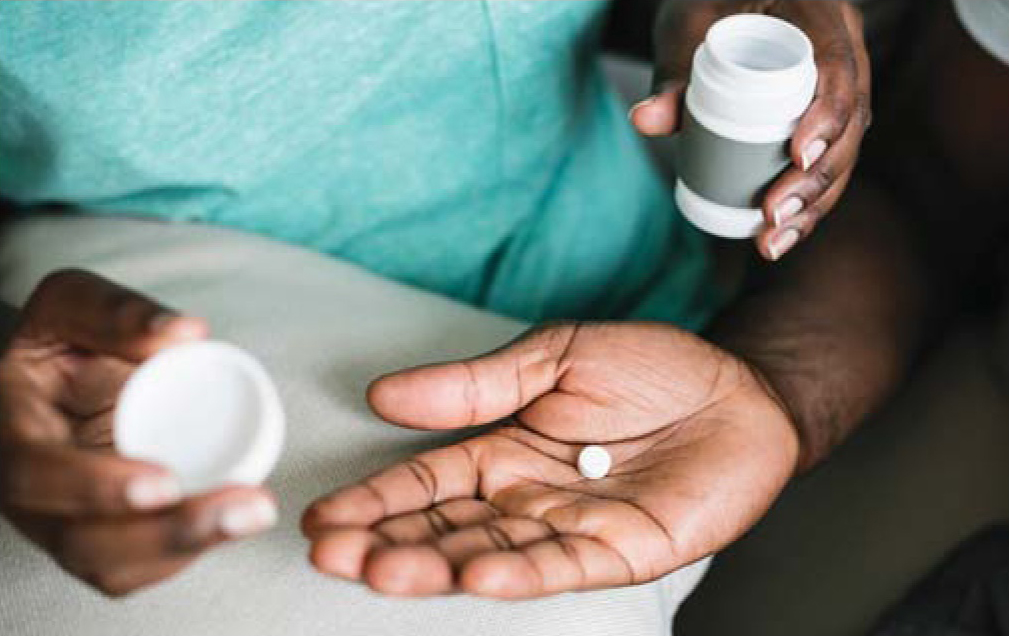
As a general rule, opioids are designated as ‘prescription only’ drugs [30]. While hospitals in Nigeria do prescribe opioids to PWH as a last resort to treat pain, we know that many PWH who suffer with chronic pain also have access to opioids through illegal street outlets. As in many other developing countries, the rules guiding the sales of opioids are often not strictly observed, and in Nigeria underground sales centres are easily accessible. These circumstances mean that it is difficult to assess the actual quantity of opioids (prescribed plus unprescribed dosages) used by individual patients. The frequency of the use of tramadol, dihydrocodeine and pentazocine among the PWH in this study identified as being dependent on opioids most likely reflects the low cost and availability of these drugs in local medicine stores.
As expected, the PWH in this study mostly used oral (capsules or tablets) formulations of the three culprit opioids for safety and convenience. Parenteral administration carries a risk of bleeding; given that most PWH in Nigeria do not have sufficient exposure to intravenous (IV) injections of FVIII, even within the healthcare system, most do not have the expertise to self-administer any form of IV medication. While opioid dependence is harmful and undesirable, oral administration is safer than parenteral administration within the context of haemophilia in Nigeria.
Opioid dependence is, of course, not peculiar to haemophilia; opioid utilisation and dependence are well known clinical problems in other pain-associated conditions (in which opioids are frequently prescribed), including cancer, rheumatoid arthritis and sickle cell disease [31,32, 33]. Indeed, the risk of opioid dependence has been shown to correlate with disease severity in patients with sickle cell disease in Nigeria, as severe disease generates more pain and demands more frequent analgesia [34]. It is therefore not unexpected that severe haemophilia was found to be a significant risk factor (RR=5.2) for opioid dependence among our cohort in this study. Severe haemophilia is associated with the highest haemophilic bleeding rate, which in turn increases patient vulnerability to pain through acute and chronic musculoskeletal morbidities that eventually predispose to opioid prescription, utilisation and dependence. However, the bleeding phenotype of severe haemophilia is also affected by the coinheritance of other genetic traits (eg blood type, Hb phenotype) that modify the haemostatic status and bleeding rate of PWH [26].
The potential impact of ABO blood group on haemophilia can be succinctly inferred from a brief overview of the physiologic interplay between ABO blood groups, von Willebrand factor (VWF) and FVIII in haemostatically normal (non-haemophilic) individuals. Non-O blood groups are normally associated with a low rate of VWF proteolysis, leading to longer half-life and higher levels of VWF [35, 36, 37]. In turn, this provides greater protection of FVIII against proteolysis, with a resultant elevation in the level of FVIII [38,39]. Higher levels of VWF would also presumably enhance platelet adhesion and aggregation in the primary arm of haemostasis [40]. This ‘inherent hypercoagulability’ profile makes the non-O blood group the most common genetic risk factor for venous thromboembolism in haemostatically normal individuals [41]. Conversely, blood group O is normally associated with a rapid rate of VWF proteolysis, leading to shorter half-life and lower level of VWF [35, 36, 37]. This, in turn, provides less protection of FVIII against proteolysis, with a resultant lower level of FVIII [38,39]. This ‘inherent hypocoagulability’ profile means that individuals with group O have a higher incidence of spontaneous idiopathic epistaxis, postoperative bleeding and bleeding complications during anti-coagulation [42,43, 44].
The haemostatic disparity (O versus non-O) as observed in normal (non-haemophilic) individuals was previously explored in a cohort of severely affected PWH in Nigeria, and it was found that those with non-O blood groups had higher levels of VWF, with a correspondingly lower rate of spontaneous bleeding [45]. This was attributed to the physiological advantage of relatively higher VWF levels, which provides greater protection against FVIII proteolysis, prolongs the half-life of FVIII, elevates baseline levels of FVIII, and enhances platelet adhesion and aggregation [35, 36] – all of which presumably enhances haemostasis and ameliorates spontaneous bleeding rates. Conversely, PWH with blood group O had lower levels of VWF and higher spontaneous bleeding rate [45]. A study in the Netherlands reported that in spite of standardised peri-operative FVIII infusions, PWH with blood group O had more post-operative bleeding complications than their counterparts with non-O blood groups [46]. The higher incidence of post-operative bleeding complications among PWH with blood group O was attributed to their lower levels of VWF, and hence their inability to optimally protect peri-operatively infused FVIII concentrate from proteolysis [46]. It can therefore be surmised that coinheritance of blood group O with haemophilia results in a predisposition for frequent musculoskeletal bleeding, pain and opioid use for PWH in countries such as Nigeria, where prophylaxis is rare and access to FVIII is limited. This, in turn, predisposes to dependence. It is therefore perhaps unsurprising that our study identified blood group O as a significant risk factor (RR=3.3) for opioid dependence for PWH in our cohort .
The prevalence of sickle cell trait (SCT / HbAS) in Nigeria and other tropical African nations can be 25–30% or even higher [47]. SCT protects against severe malaria and confers survival advantage in malaria endemic countries through the process of natural selection [47,48], mediated by the phenomenon of balanced polymorphism and executed by immunological and biochemical protective mechanisms against the malaria parasite [49,50]. While SCT is clinically asymptomatic, it is nonetheless associated with subclinical red cell sickling, with resultant hypercoagulability due to scrambling of red cell membrane phospholipids and release of procoagulant red cell membrane phospholipids into plasma [51, 52, 53]. Sickling-associated hypercoagulability is harmful in normal (non-haemophilic) individuals as it has been causally linked to frequent thrombo-embolism in individuals with SCT [54]. However, it is thought to be beneficial in haemophilia, where it has been associated with reduced spontaneous bleeding rates in severely affected PWH who either coinherited the SCT or have full-blown sickle cell disease [55,56]. The hypercoagulability associated with SCT phenotype is therefore protective against frequent bleeding in PWH [55].
Image: ABO blood type and haemoglobin phenotype are indirect risk factors for opioid dependence among PWH in Nigeria. In the absence of prophylaxis, those with blood group O are more likely to be predisposed to musculoskeletal bleeding and, therefore, pain. For those with sickle cell trait or HbAS phenotype, the sickling-associated hypercoagulability that can cause thrombo-embolism in non-haemophilic individuals may reduce spontaneous bleeding in PWH.
© Shutterstock
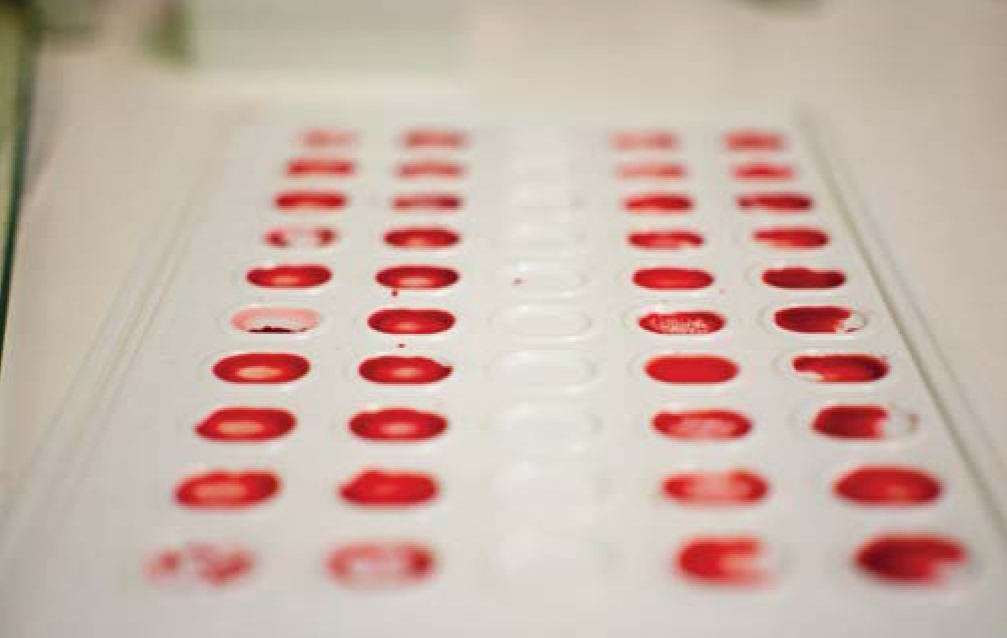
The normal haemoglobin (HbAA) phenotype is devoid of any hypercoagulability. Consequently, in comparison with PWH with SCT, PWH with HbAA phenotype tend to have higher bleeding rates [55]. This, in turn, implies a higher incidence of musculoskeletal complications and pain that would increase their chances of opioid use and dependence. Our study’s finding that HbAA is a risk factor (RR=4.3) for opioid dependence among PWH in our cohort is, in reality, a reflection of the ‘absence’ of the protective hypercoagulability profile of SCT (HbAS) on haemophilic bleeding rate.
Pain in its severe form is the single most important indication for opioid prescription and utilisation in haemophilia, with musculoskeletal morbidities such as chronic arthropathy the most common sources of pain [12]. This is consistent with our finding that the presence of painful chronic arthropathy as a risk factor for opioid dependence is associated with the highest relative risk (RR=13.2). The role of painful chronic arthropathy as a strong risk factor for opioid dependence is supported by our finding that the PWH with opioid dependence significantly surpassed those without opioid dependence in terms of the presence of chronic and advanced arthropathy, and the frequency of multiple joints being affected. The pattern of the knee being the predominantly affected joint is similar between those with and without opioid dependence. This is consistent with previous studies, suggesting that the knee joint has virtually always been the most frequently affected target joint with respect to acute haemarthrosis and chronic arthropathy [57].
The pathogenesis of chronic haemophilic arthropathy is initiated and driven by the cumulative inflammatory effect of recurrent acute haemarthrosis [58]. A previous study of Taiwanese PWH showed that the incidence and progression of chronic haemophilic arthropathy correlate with patient age, especially in the absence of prophylaxis – as is the case with our patients in this study [59]. This is consistent with the pattern of age distribution among our opioiddependent PWH, which shows a predominance of young adults and a relatively small proportion of older children. Accordingly, our study found that survival into adulthood was a risk factor for opioid dependence, and being an adult was associated with a high relative risk (RR=9.5) for opioid dependence.
Our findings indicate that the typical descriptive profile of an opioid-dependent PWH in Nigeria is a young adult with severe haemophilia and mono- or multi-articular chronic arthropathy, with coinheritance of blood group O and normal haemoglobin (HbAA) phenotype. The ultimate aim of haemophilia healthcare providers is to support PWH through childhood and into adulthood, while maintaining a good quality of life. Where prophylactic regimens and access to FVIII when required are present, this is possible. Unfortunately, the descriptive profile of opioid-dependent PWH revealed in this study suggests that surviving into adulthood for PWH in Nigeria is frequently marred by the cumulative effect of poor management and scarcity of FVIII, with resultant crippling and often multi-articular arthropathy and chronic pain, providing a platform for opioid use and dependence.
The only way to arrest the incidence of chronic arthropathy and other painful musculoskeletal morbidities, and opioid utilisation and dependence in Nigerian PWH, is for haemophilia care to be centrally organised and standardised through the establishment of standard haemophilia centres, and for adequate FVIII concentrate to be available for regular prophylaxis and optimal treatment of haemophilic bleeding diathesis to help prevent musculoskeletal complications [60]. This approach would strategically reduce pain, and ultimately minimise opioid prescription, utilisation and dependence amongst PWH in Nigeria, and requires government intervention.
Conclusion and recommendation
The prevalence of opioid dependence among PWH in five hospitals in northern Nigeria was 17% during the period of study. Our findings suggest that severe haemophilia, blood group O, HbAA phenotype, survival into adulthood and chronic arthropathy are significant risk factors for opioid dependence. The risk factors identified are directly or indirectly associated with increased rates of bleeding and/or pain, which can only be prevented or treated by optimal application of FVIII.
Our study implies that severely affected PWH, particularly those with coinheritance of blood group O and HbAA phenotype who may have higher bleeding rates than those with non-O blood groups and HbAS, should receive stringent FVIII prophylaxis in order to mitigate frequent joint bleeds during early years and childhood. This would help prevent chronic arthropathy in later years and adulthood, minimise pain, reduce opioid utilisation, and ultimately obviate the risk of opioid dependence among PWH in Nigeria who survive into adulthood. However, the cost and scarcity of FVIII preclude its prophylactic and therapeutic application in the standard of care for haemophilia in Nigeria. This will translate into the rising incidence and inevitability of crippling and painful chronic musculoskeletal complications, and opioid utilisation and dependence among those young adult PWH who survive the high infant and childhood mortality associated with the disease in Nigeria.
In order to counter this, there is a need for the Nigerian government to establish standard haemophilia care centres with adequate and sustainable supplies of FVIII concentrate for prophylaxis and the treatment of haemophilic bleeding diathesis.
Larger studies are needed to validate the findings of this preliminary report and explore additional risk factors, in order to facilitate early identification of vulnerable patients for the purpose of taking preemptive action against opioid dependence among PWH in Nigeria.